THE ADVENTURE COLLECTIVE® · Independent discovery and booking for outdoor travel

Experience the Uffizi with a licensed guide and optional, limited-entry access to the Vasari Corridor — the Medici’s private skyway. Small groups, timed tickets, and local insight turn masterpieces into living history.
Experience the Uffizi with a licensed guide and optional, limited-entry access to the Vasari Corridor — the Medici’s private skyway. Small groups, timed tickets, and local insight turn masterpieces into living history.
You step off the narrow stone street and the gallery’s pale façade opens before you like a door into Renaissance Florence.
Verified experiences and guided adventures in the surrounding area.
Operated by Walks in town · Florence, Tuscany
You step off the narrow stone street and the gallery’s pale façade opens before you like a door into Renaissance Florence.
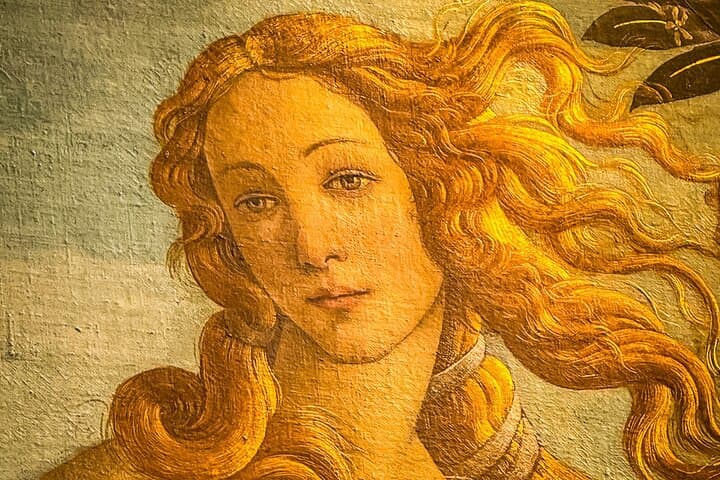
Inside, light pools on gilded frames; your guide’s voice threads through rooms hung with Botticelli’s flowing figures and Caravaggio’s chiaroscuro. Move deliberately and the brushstrokes begin to speak — political alliances, devotional practice, and Medici ambition all written into pigment.
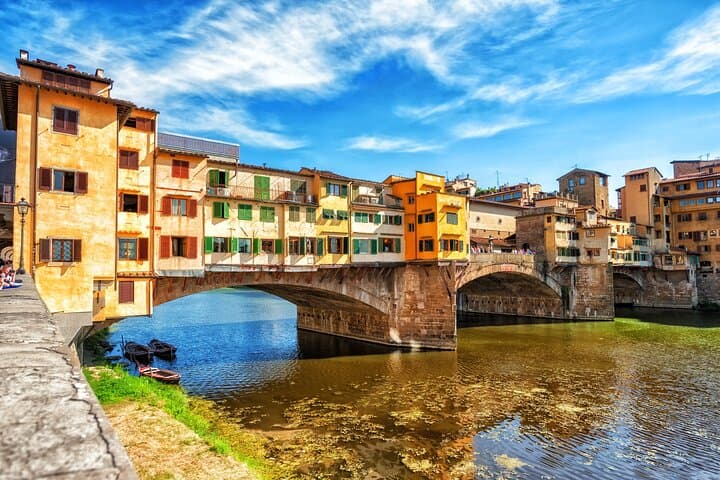
Florence sits astride the Arno, its river shaping the city’s stones and trade routes for centuries; the Uffizi itself is part office block, part gallery, built in the 16th century for Cosimo I by Giorgio Vasari. The optional Vasari Corridor — a narrow, elevated passage above the Ponte Vecchio — was the Medici private highway, reopened only recently after decades behind closed doors. That corridor offers rare vantage points and a layer of political theater to the art you’ll see below.
Practicalities steer this visit: small-group sizes (max nine), timed-entry tickets, and nominative corridor passes that require ID at the desk. Tours run from about 60 to 180 minutes depending on the option; the full three-hour itinerary includes the Corridor when available.
Expect steady walking, concentrated viewing, and close quarters in peak months. Wear comfortable shoes, bring a passport to match your booking name, and plan morning or late-afternoon slots to reduce crowds. Headsets and an informed guide make the stories behind each masterpiece click; the rare corridor upgrade rewards those who prioritize access over speed.
easy.
1–3 hours.
Minimal fitness required — able to stand and walk for up to three hours.
No — Corridor access is extremely limited and only offered with the 3‑hour tour option; tickets are nominative and non-refundable.
Mobile or paper tickets are accepted, but you must present ID that matches the booking name at the ticket desk for entry.
The tour and Vasari Corridor option are not wheelchair accessible due to stairs and narrow passages.
Tours can be rescheduled occasionally due to operational constraints; cancel at least 24 hours before departure for a full refund.
The Uffizi was commissioned in the mid‑16th century by Cosimo I de' Medici; Vasari designed the corridor in 1565 to give the family a secure, private route between residences.
Nominative tickets, limited group sizes, and timed entries are part of ongoing efforts to protect fragile works and manage visitor impact in a historic urban museum.
Walks in town operates guided outdoor trips and adventures with an emphasis on safety, stewardship, and memorable experiences.


You step off the narrow stone street and the gallery’s pale façade opens before you like a door into Renaissance Florence.
You step off the narrow stone street and the gallery’s pale façade opens before you like a door into Renaissance Florence.
Inside, light pools on gilded frames; your guide’s voice threads through rooms hung with Botticelli’s flowing figures and Caravaggio’s chiaroscuro. Move deliberately and the brushstrokes begin to speak — political alliances, devotional practice, and Medici ambition all written into pigment.
Florence sits astride the Arno, its river shaping the city’s stones and trade routes for centuries; the Uffizi itself is part office block, part gallery, built in the 16th century for Cosimo I by Giorgio Vasari. The optional Vasari Corridor — a narrow, elevated passage above the Ponte Vecchio — was the Medici private highway, reopened only recently after decades behind closed doors. That corridor offers rare vantage points and a layer of political theater to the art you’ll see below.
Practicalities steer this visit: small-group sizes (max nine), timed-entry tickets, and nominative corridor passes that require ID at the desk. Tours run from about 60 to 180 minutes depending on the option; the full three-hour itinerary includes the Corridor when available.
Expect steady walking, concentrated viewing, and close quarters in peak months. Wear comfortable shoes, bring a passport to match your booking name, and plan morning or late-afternoon slots to reduce crowds. Headsets and an informed guide make the stories behind each masterpiece click; the rare corridor upgrade rewards those who prioritize access over speed.