THE ADVENTURE COLLECTIVE® · Independent discovery and booking for outdoor travel

Start before dawn and follow stone avenues and shaded ridges through Udawattakele, Kandy’s 104-hectare forest reserve. This guided 4-hour trek combines focused birdwatching, orchid spotting and visits to ancient monastic caves—ideal for travelers seeking wildlife and history minutes from the city center.
Start before dawn and follow stone avenues and shaded ridges through Udawattakele, Kandy’s 104-hectare forest reserve. This guided 4-hour trek combines focused birdwatching, orchid spotting and visits to ancient monastic caves—ideal for travelers seeking wildlife and history minutes from the city center.
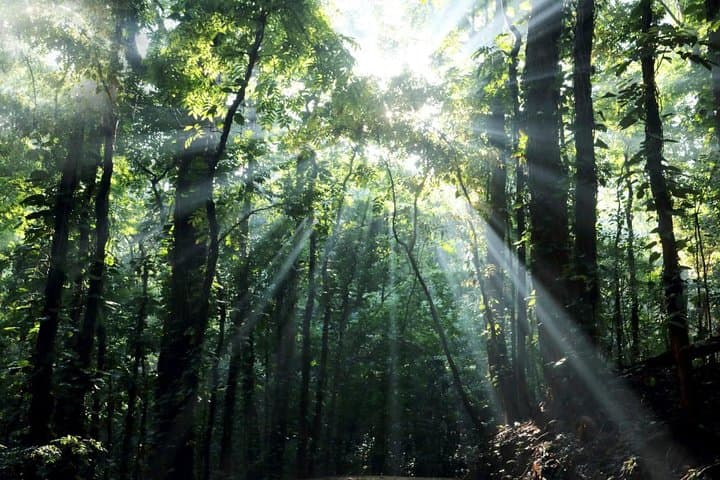
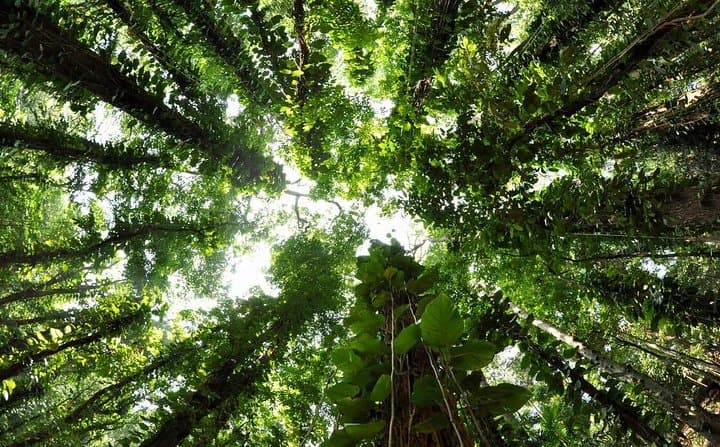
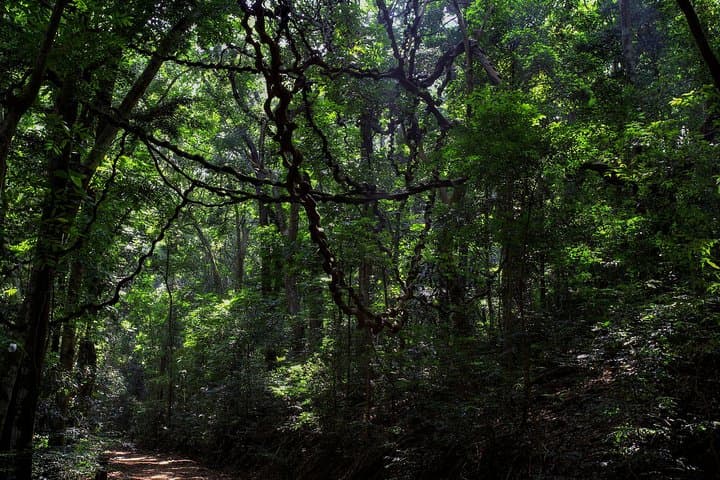
Morning light threads through a dense green roof as you step through the gated entrance of Udawattakele. The city noise drops away; trunks and stone avenues take over. Calls—sharp parakeet notes, an occasional kingfisher cry—mark the pace. The air is humid, the ground often paved in old stone that once guided royal promenades.
Verified experiences and guided adventures in the surrounding area.
Operated by Lakpura LLC · Kandy, Central Province
Morning light threads through a dense green roof as you step through the gated entrance of Udawattakele. The city noise drops away; trunks and stone avenues take over. Calls—sharp parakeet notes, an occasional kingfisher cry—mark the pace. The air is humid, the ground often paved in old stone that once guided royal promenades.
Udawattakele is a 104-hectare remnant of the Kandyan kingdom’s pleasure gardens and older monastic settlements. Archaeological caves record centuries of Buddhist dwelling; colonial-era drive names—Lady McCarthy’s Drive, Lady Torrington’s Road—hint at later uses. Geologically the reserve sits on the central highlands’ metamorphic bedrock, producing shallow soils that favor a patchwork of endemic shrubs, 58 recorded tree species and at least 12 orchid species. Bird surveys note around 80 species, including Layard’s parakeet, yellow-fronted barbet, brown-capped babbler and, if you’re lucky, a three-toed kingfisher.
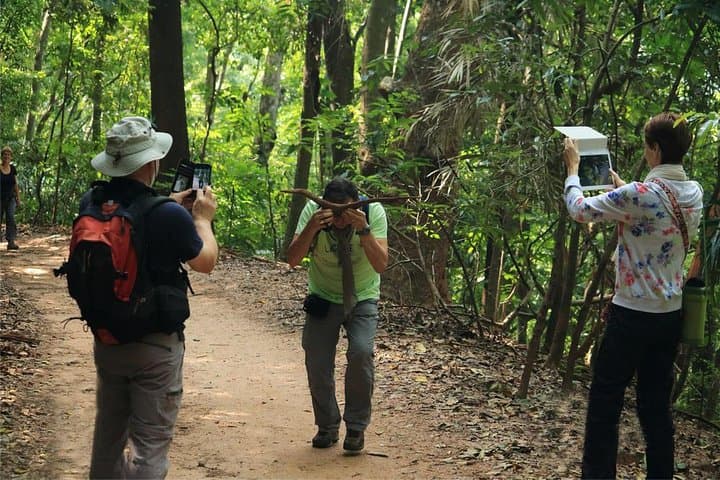
Practically, expect a guided 4-hour circuit with several kilometers of walking (roughly 3–5 km depending on stops) over shaded, stone-paved trails with short steep sections and modest cumulative elevation gain. The naturalist guide identifies birds and plants and points out monk caves; light refreshments are usually provided. Start at first light for best bird activity, bring a rain shell (tropical showers are common), insect repellent, a pair of binoculars and sturdy, grippy shoes. Note the reserve is urban but protected—stay on trails, minimize noise and pack out any litter. This trek balances cultural history and focused birding in an unexpectedly wild pocket at the heart of Kandy.
moderate.
4 hours.
Moderate fitness—able to walk several kilometers over uneven, occasionally steep terrain and stand for birdwatching stints.
The guided walk is about 4 hours and typically starts at the Udawattakele Sanctuary entrance early in the morning (standard tours note a 6:30 AM start).
Yes—guides regularly spot endemic species like Layard’s parakeet, yellow-fronted barbet and brown-capped babbler; sightings vary by season and time of day.
The route is moderate—children and older adults can participate if they have reasonable mobility, but there are uneven, sometimes steep sections and no lengthy paved access throughout.
Tours typically include a naturalist guide and light refreshments; confirm specific inclusions when booking.
Udawattakele served as both monastic dwelling sites and a restricted pleasure garden for the Kandyan royalty; colonial administrators later adapted some paths for long country walks.
The reserve is a protected urban forest under local conservation efforts; visitors are asked to remain on trails, avoid feeding wildlife and carry out any trash to reduce disturbance.
Lakpura LLC operates guided outdoor trips and adventures with an emphasis on safety, stewardship, and memorable experiences.
Morning light threads through a dense green roof as you step through the gated entrance of Udawattakele. The city noise drops away; trunks and stone avenues take over. Calls—sharp parakeet notes, an occasional kingfisher cry—mark the pace. The air is humid, the ground often paved in old stone that once guided royal promenades.
Morning light threads through a dense green roof as you step through the gated entrance of Udawattakele. The city noise drops away; trunks and stone avenues take over. Calls—sharp parakeet notes, an occasional kingfisher cry—mark the pace. The air is humid, the ground often paved in old stone that once guided royal promenades.
Udawattakele is a 104-hectare remnant of the Kandyan kingdom’s pleasure gardens and older monastic settlements. Archaeological caves record centuries of Buddhist dwelling; colonial-era drive names—Lady McCarthy’s Drive, Lady Torrington’s Road—hint at later uses. Geologically the reserve sits on the central highlands’ metamorphic bedrock, producing shallow soils that favor a patchwork of endemic shrubs, 58 recorded tree species and at least 12 orchid species. Bird surveys note around 80 species, including Layard’s parakeet, yellow-fronted barbet, brown-capped babbler and, if you’re lucky, a three-toed kingfisher.
Practically, expect a guided 4-hour circuit with several kilometers of walking (roughly 3–5 km depending on stops) over shaded, stone-paved trails with short steep sections and modest cumulative elevation gain. The naturalist guide identifies birds and plants and points out monk caves; light refreshments are usually provided. Start at first light for best bird activity, bring a rain shell (tropical showers are common), insect repellent, a pair of binoculars and sturdy, grippy shoes. Note the reserve is urban but protected—stay on trails, minimize noise and pack out any litter. This trek balances cultural history and focused birding in an unexpectedly wild pocket at the heart of Kandy.