THE ADVENTURE COLLECTIVE® · Independent discovery and booking for outdoor travel

A three-hour jeep safari through Udawalawe National Park puts you near large herds of Asian elephants and a range of grassland and marsh species. Expect bumpy tracks, close views at waterholes, and clear guidance from experienced drivers.
A three-hour jeep safari through Udawalawe National Park puts you near large herds of Asian elephants and a range of grassland and marsh species. Expect bumpy tracks, close views at waterholes, and clear guidance from experienced drivers.
The jeep eases onto a sandy track and the heat opens like a warm palm. Tall grasses part to reveal a band of elephants moving with purpose — calves tucked close, bulls moving on the perimeter — and the guide narrows the engine, letting the animals set the rhythm.
Verified experiences and guided adventures in the surrounding area.
Operated by Scout Wild Safari Udawalawe · Udawalawe, Sabaragamuwa Province
The jeep eases onto a sandy track and the heat opens like a warm palm. Tall grasses part to reveal a band of elephants moving with purpose — calves tucked close, bulls moving on the perimeter — and the guide narrows the engine, letting the animals set the rhythm.
Udawalawe National Park, created in the early 1970s around the Udawalawe Reservoir and Walawe River catchment, was established to protect a migratory corridor and the region’s large Asian elephant populations. The park sits on weathered Precambrian rock and rolling plains where seasonal waterholes direct animal movement; local villages around the park still keep traditional water buffalo herding and small-scale farming traditions.
A three-hour jeep safari is the core of the experience: binoculars up, camera ready, and ears tuned to the guide’s calls about spoor and sightlines. Aside from elephants, expect to scan for toque macaques, fishing cats near marsh edges, water buffalo, and a variety of waders and raptors.
Practical side: safaris are best early morning or late afternoon when animals concentrate at reservoirs. Wear neutral-colored clothing, bring sun protection and plenty of water, and be prepared for bumpy rides — the terrain ranges from dry scrub to muddy tracks after rain. Guides know where sightings are likeliest; follow their instructions for safe viewing distances. If you’re traveling from Nuwara Eliya toward Yala, plan driver time and a window for the 3–4 hour game drive in the middle.
Respect wildlife, move quietly, and let the landscape dictate the pace — the park rewards patience with close, memorable encounters.
easy.
3–4 hours.
Minimal fitness required — must be able to get in and out of a raised safari jeep and sit for several hours.
The included jeep safari lasts approximately 3 hours, typically scheduled in the morning or late afternoon.
Udawalawe has a high probability of elephant sightings — herds are common — but wildlife viewing can never be guaranteed.
Yes — the activity is rated easy, but the jeep ride can be bumpy; families and those with mobility concerns should notify the operator ahead of time.
Most operators provide hotel pickup; the drive from Nuwara Eliya takes several hours and is typically arranged as part of the private transfer between Nuwara Eliya and Yala.
Udawalawe National Park was established in the early 1970s to protect wildlife around the Udawalawe Reservoir after construction of the dam altered local habitats.
The park supports elephant corridors and anti-poaching efforts; visitors are asked to minimize disturbance by staying in vehicles and following guide directions.
Scout Wild Safari Udawalawe operates guided outdoor trips and adventures with an emphasis on safety, stewardship, and memorable experiences.
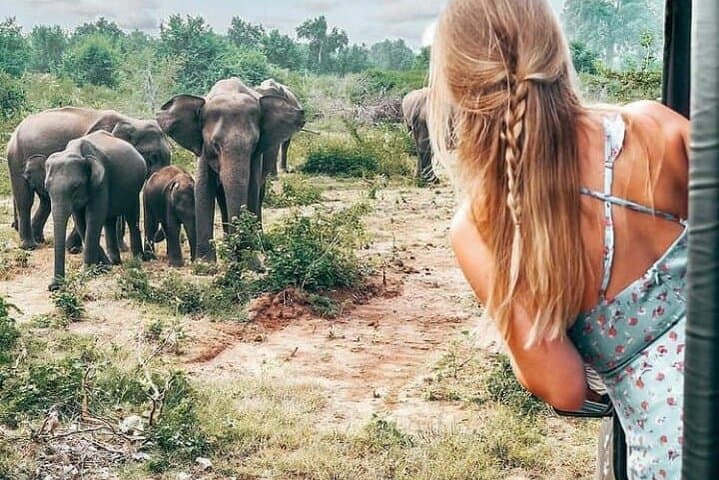
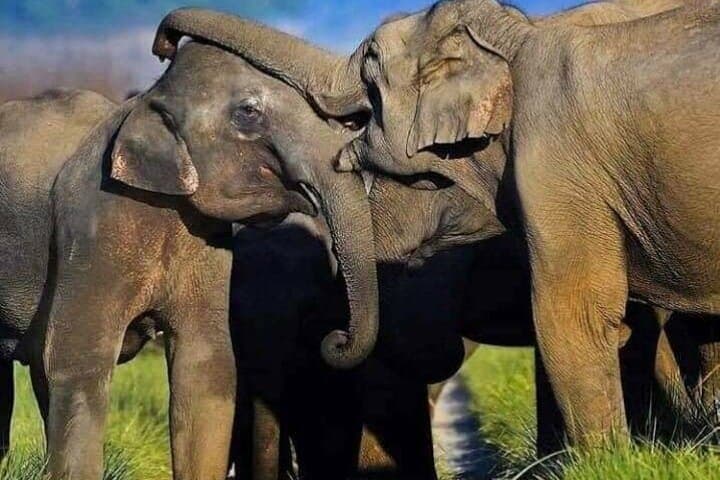
The jeep eases onto a sandy track and the heat opens like a warm palm. Tall grasses part to reveal a band of elephants moving with purpose — calves tucked close, bulls moving on the perimeter — and the guide narrows the engine, letting the animals set the rhythm.
The jeep eases onto a sandy track and the heat opens like a warm palm. Tall grasses part to reveal a band of elephants moving with purpose — calves tucked close, bulls moving on the perimeter — and the guide narrows the engine, letting the animals set the rhythm.
Udawalawe National Park, created in the early 1970s around the Udawalawe Reservoir and Walawe River catchment, was established to protect a migratory corridor and the region’s large Asian elephant populations. The park sits on weathered Precambrian rock and rolling plains where seasonal waterholes direct animal movement; local villages around the park still keep traditional water buffalo herding and small-scale farming traditions.
A three-hour jeep safari is the core of the experience: binoculars up, camera ready, and ears tuned to the guide’s calls about spoor and sightlines. Aside from elephants, expect to scan for toque macaques, fishing cats near marsh edges, water buffalo, and a variety of waders and raptors.
Practical side: safaris are best early morning or late afternoon when animals concentrate at reservoirs. Wear neutral-colored clothing, bring sun protection and plenty of water, and be prepared for bumpy rides — the terrain ranges from dry scrub to muddy tracks after rain. Guides know where sightings are likeliest; follow their instructions for safe viewing distances. If you’re traveling from Nuwara Eliya toward Yala, plan driver time and a window for the 3–4 hour game drive in the middle.
Respect wildlife, move quietly, and let the landscape dictate the pace — the park rewards patience with close, memorable encounters.