THE ADVENTURE COLLECTIVE® · Independent discovery and booking for outdoor travel

A full-day safari from Tangalle puts Udawalawe’s famous Asian elephants within view—expect repeated herd sightings, short guided walks, and wide reservoir vistas. This guide covers what to expect, practical prep, and local insights to make the most of the day.
A full-day safari from Tangalle puts Udawalawe’s famous Asian elephants within view—expect repeated herd sightings, short guided walks, and wide reservoir vistas. This guide covers what to expect, practical prep, and local insights to make the most of the day.
Morning light hits the short grass and the park yawns open: a ribbon of red dirt, a herd unfurling at the roadside, calves nudging their mothers with blind curiosity. On a full-day safari from Tangalle you move through that landscape by A/C vehicle, watching Udawalawe’s elephants take center stage against a backdrop of low hills and reservoir flats.
Verified experiences and guided adventures in the surrounding area.
Operated by Ceylon Travel Dream · Udawalawe, Southern Province
Morning light hits the short grass and the park yawns open: a ribbon of red dirt, a herd unfurling at the roadside, calves nudging their mothers with blind curiosity. On a full-day safari from Tangalle you move through that landscape by A/C vehicle, watching Udawalawe’s elephants take center stage against a backdrop of low hills and reservoir flats.
Udawalawe National Park was created in 1972 to protect the catchment around the Udawalawe Reservoir. The terrain is primarily dry thorn forest, grassland and scrub, carved by ancient rivers and later shaped by the reservoir’s shores—habitat that favors Asian elephants, water buffalo, sambar deer and a host of waterbirds. Local communities mix Sinhala and Muslim cultures, and villages around the park still practice small-scale farming and rope-making from palms.
Expect long viewing windows from the vehicle, short guided walks from the jeep when permitted, and plenty of photo opportunities with curious calves. Guides read animal behavior and find shaded spots where birds gather; the reservoir often draws concentrations of wildlife at midday.
Practical notes: tours run 8–10 hours and include packed breakfast and lunch. Wear breathable, neutral-colored clothes, bring binoculars and sunscreen, and keep a refillable water bottle handy. The park can be dusty—closed-toe shoes and a light layer for early-morning chill are useful. Respect viewing distances, follow your guide’s instructions, and prepare for bumpy roads; a full-day safari rewards patience with repeated elephant encounters and the occasional crocodile on the water’s edge.
moderate.
8–10 hours.
Moderate—able to sit for long periods with occasional short walks on uneven ground
Typical transfer time is about 1–1.5 hours one way, depending on traffic and exact pickup location.
Udawalawe has a high probability of elephant sightings, often including calves, but wildlife cannot be guaranteed.
Yes—this full-day tour includes a packed breakfast and lunch so you can stay in the park for extended viewing.
Yes—families are common on this route; keep children supervised near viewing points and follow guide directions.
The park was established after the Udawalawe Reservoir was completed in 1969; its protection aimed to conserve the local elephant population and watershed.
Stick to marked tracks and guidance from rangers—visitors help reduce disturbance and support community-based conservation that funds local livelihoods.
Ceylon Travel Dream operates guided outdoor trips and adventures with an emphasis on safety, stewardship, and memorable experiences.
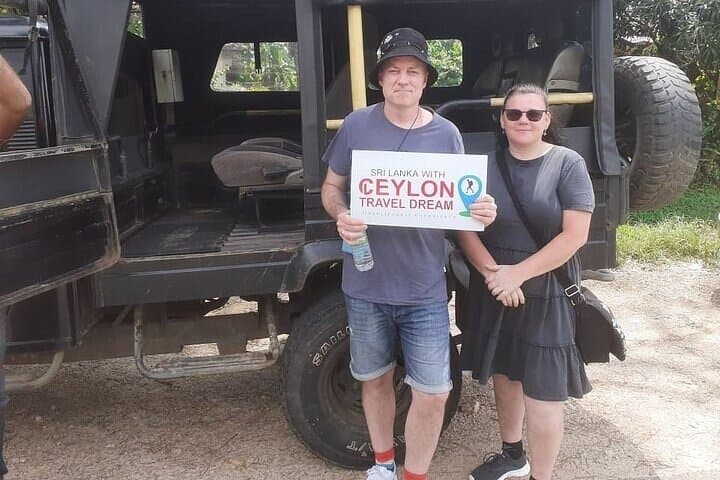
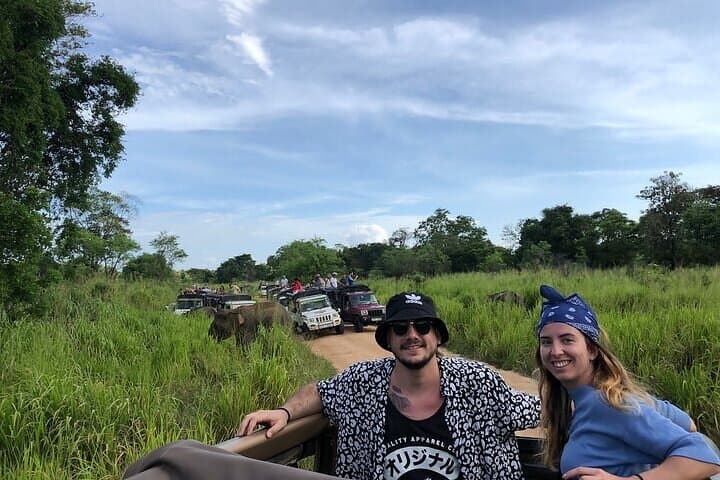
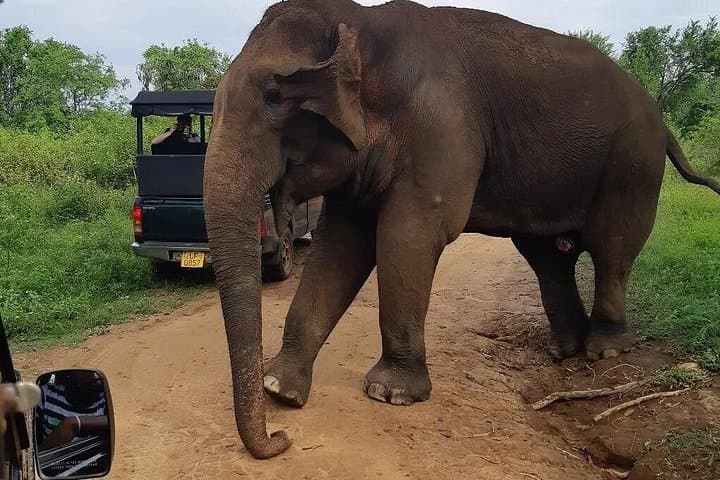
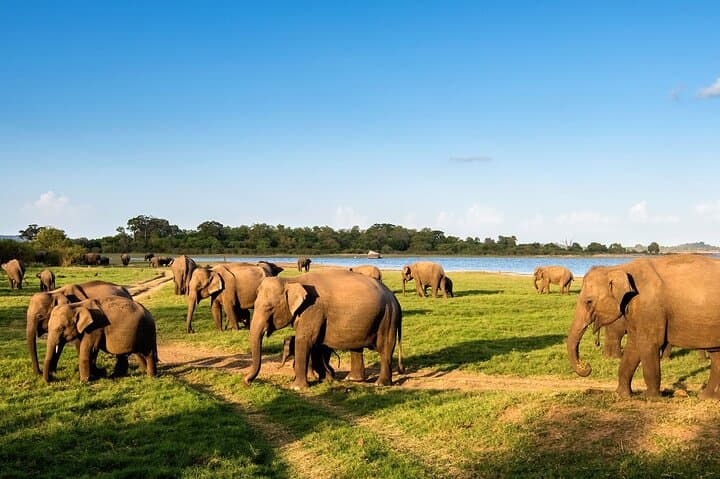
Morning light hits the short grass and the park yawns open: a ribbon of red dirt, a herd unfurling at the roadside, calves nudging their mothers with blind curiosity. On a full-day safari from Tangalle you move through that landscape by A/C vehicle, watching Udawalawe’s elephants take center stage against a backdrop of low hills and reservoir flats.
Morning light hits the short grass and the park yawns open: a ribbon of red dirt, a herd unfurling at the roadside, calves nudging their mothers with blind curiosity. On a full-day safari from Tangalle you move through that landscape by A/C vehicle, watching Udawalawe’s elephants take center stage against a backdrop of low hills and reservoir flats.
Udawalawe National Park was created in 1972 to protect the catchment around the Udawalawe Reservoir. The terrain is primarily dry thorn forest, grassland and scrub, carved by ancient rivers and later shaped by the reservoir’s shores—habitat that favors Asian elephants, water buffalo, sambar deer and a host of waterbirds. Local communities mix Sinhala and Muslim cultures, and villages around the park still practice small-scale farming and rope-making from palms.
Expect long viewing windows from the vehicle, short guided walks from the jeep when permitted, and plenty of photo opportunities with curious calves. Guides read animal behavior and find shaded spots where birds gather; the reservoir often draws concentrations of wildlife at midday.
Practical notes: tours run 8–10 hours and include packed breakfast and lunch. Wear breathable, neutral-colored clothes, bring binoculars and sunscreen, and keep a refillable water bottle handy. The park can be dusty—closed-toe shoes and a light layer for early-morning chill are useful. Respect viewing distances, follow your guide’s instructions, and prepare for bumpy roads; a full-day safari rewards patience with repeated elephant encounters and the occasional crocodile on the water’s edge.