THE ADVENTURE COLLECTIVE® · Independent discovery and booking for outdoor travel

Head inland from Mirissa for a full-day jeep safari into Udawalawe National Park—one of Sri Lanka’s best places to see wild Asian elephants, crocodiles and an abundance of birdlife. Early starts and a private 4x4 make this a practical, high-value wildlife day trip.
Head inland from Mirissa for a full-day jeep safari into Udawalawe National Park—one of Sri Lanka’s best places to see wild Asian elephants, crocodiles and an abundance of birdlife. Early starts and a private 4x4 make this a practical, high-value wildlife day trip.
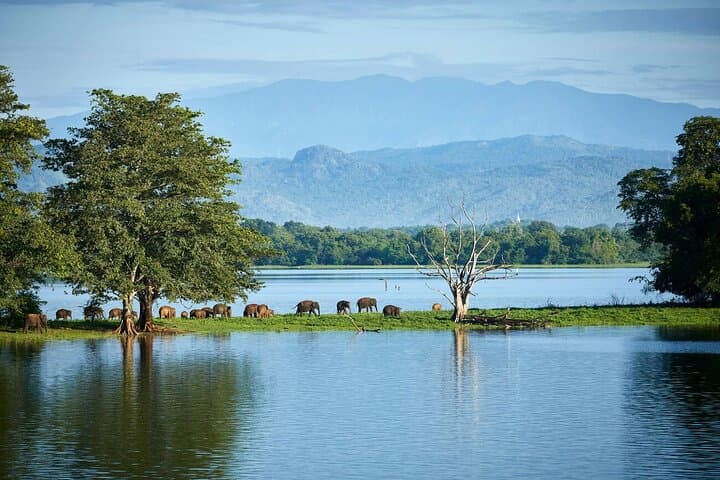
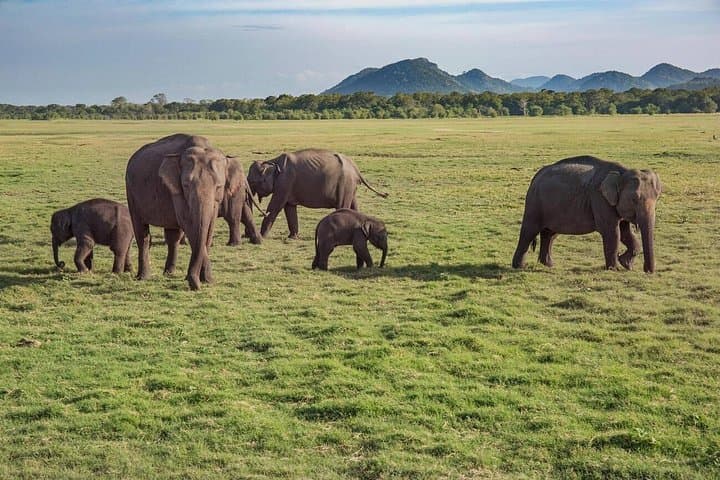
The jeep crunches across sunbaked earth and the first broad-backed silhouettes appear at the horizon—elephants moving like slow, deliberate weather across the plain. You start before dawn in Mirissa, watching fishing boats shrink behind you as the coast gives way to coconut groves and open paddy country.
Verified experiences and guided adventures in the surrounding area.
Operated by Ceylon Travel Dream · Udawalawe, Southern Province
The jeep crunches across sunbaked earth and the first broad-backed silhouettes appear at the horizon—elephants moving like slow, deliberate weather across the plain. You start before dawn in Mirissa, watching fishing boats shrink behind you as the coast gives way to coconut groves and open paddy country.
Udawalawe National Park was created in 1972 to protect the catchment around the Udawalawe Reservoir and to provide habitat for displaced elephants. Geologically the park sits on low rolling plains fed by seasonal streams and a large reservoir; the landscape alternates between grassy floodplains and scrubby dry-forest that channels wildlife into predictable corridors. Local culture remains rural and agricultural—villages along the drive offer glimpses of daily life that contrast with the very deliberate pace of the elephants you’ll see.
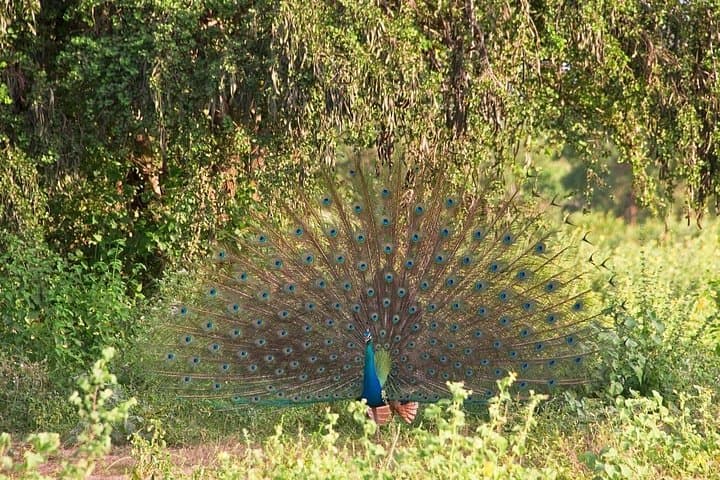
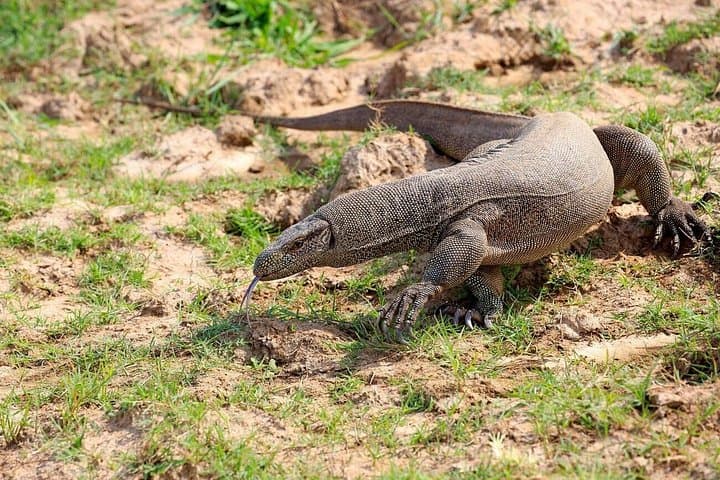
On safari you’ll scan for ears, trunks and the flash of a crocodile by the water’s edge; birds dart from thorn scrub and water buffalo graze in small herds. The experience is sensory: dust on your clothes, the motor’s hum, and the guide’s quick eye pointing out tracks and behavior.
Practically, expect a 2.5-hour drive from Mirissa each way and about three hours in a private 4x4 jeep on mostly flat but rutted tracks. Morning departures maximize wildlife activity and cooler temperatures. Bring water, sun protection, and a camera with a decent zoom; listen to your guide on safe distances from elephants. The day ends with a local lunch and a relaxed drive back to Mirissa, the coastline reappearing as the sun lowers behind palms.
moderate.
8–10 hours (door-to-door).
Requires ability to enter/exit a raised 4x4 and sit for extended periods; moderate fitness for bumpy terrain.
Pickup is typically around 5:00 AM to reach Udawalawe before midday heat reduces wildlife activity.
Yes—lunch at a local restaurant near the park is included after the safari portion of the day.
Safari time is approximately three hours, using park-approved routes to maximize sightings.
Families can join, but children should be able to sit in a raised, bumpy jeep and follow guide safety instructions; check age or height requirements when booking.
Udawalawe National Park was established in 1972 to protect the watershed of the Udawalawe Reservoir and provide habitat for displaced elephants following dam construction.
The area is active in elephant rehabilitation and human-wildlife mitigation; support operators who adhere to distance rules and avoid feeding wildlife.
Ceylon Travel Dream operates guided outdoor trips and adventures with an emphasis on safety, stewardship, and memorable experiences.
The jeep crunches across sunbaked earth and the first broad-backed silhouettes appear at the horizon—elephants moving like slow, deliberate weather across the plain. You start before dawn in Mirissa, watching fishing boats shrink behind you as the coast gives way to coconut groves and open paddy country.
The jeep crunches across sunbaked earth and the first broad-backed silhouettes appear at the horizon—elephants moving like slow, deliberate weather across the plain. You start before dawn in Mirissa, watching fishing boats shrink behind you as the coast gives way to coconut groves and open paddy country.
Udawalawe National Park was created in 1972 to protect the catchment around the Udawalawe Reservoir and to provide habitat for displaced elephants. Geologically the park sits on low rolling plains fed by seasonal streams and a large reservoir; the landscape alternates between grassy floodplains and scrubby dry-forest that channels wildlife into predictable corridors. Local culture remains rural and agricultural—villages along the drive offer glimpses of daily life that contrast with the very deliberate pace of the elephants you’ll see.
On safari you’ll scan for ears, trunks and the flash of a crocodile by the water’s edge; birds dart from thorn scrub and water buffalo graze in small herds. The experience is sensory: dust on your clothes, the motor’s hum, and the guide’s quick eye pointing out tracks and behavior.
Practically, expect a 2.5-hour drive from Mirissa each way and about three hours in a private 4x4 jeep on mostly flat but rutted tracks. Morning departures maximize wildlife activity and cooler temperatures. Bring water, sun protection, and a camera with a decent zoom; listen to your guide on safe distances from elephants. The day ends with a local lunch and a relaxed drive back to Mirissa, the coastline reappearing as the sun lowers behind palms.