THE ADVENTURE COLLECTIVE® · Independent discovery and booking for outdoor travel

Set out before sunrise for an eight-hour safari into Udawalawe National Park. Expect open-jeep viewing of Sri Lankan elephants, water buffalo and crocodiles, plus a simple packed breakfast and local guiding from pickup on the south coast.
Set out before sunrise for an eight-hour safari into Udawalawe National Park. Expect open-jeep viewing of Sri Lankan elephants, water buffalo and crocodiles, plus a simple packed breakfast and local guiding from pickup on the south coast.
Before dawn the jeep hums onto the pitted road and the silhouette of the reservoir lifts from the low light. Birds break the stillness, and the scrub reaches toward the vehicle as if testing its resolve — here, the landscape is alert and mobile, not merely scenery.
Verified experiences and guided adventures in the surrounding area.
Operated by Tuktukdude Leisure · Udawalawe, Southern Province
Before dawn the jeep hums onto the pitted road and the silhouette of the reservoir lifts from the low light. Birds break the stillness, and the scrub reaches toward the vehicle as if testing its resolve — here, the landscape is alert and mobile, not merely scenery.
Udawalawe National Park was created around the Udawalawe Reservoir in 1972 to protect catchment lands and offer refuge to displaced elephants. The terrain alternates open grassland, thorn scrub and the deep shoulder of the reservoir; geology here favors weathered laterite soils with isolated outcrops that shape the park’s drainage and hiding places for animals.
Local villages carry a strong rural Southern Province culture: rice paddies, coconut groves and small roadside stalls selling tea and short eats. Guides often double as naturalists and interpreters; they read animal behavior the way farmers read weather.
Practical guidance: the tour runs about eight hours with hotel pickup from Galle, Weligama, Mirissa and nearby towns (pickups typically start ~5:00 AM to reach prime viewing). Expect an open-top safari jeep, a packed local breakfast, and multiple short drives through both watery margins and dry plains. Pack sun protection, a light rain shell, binoculars and a long lens if you photograph — the best sightings often happen at a distance. Keep noise low, remain seated in the jeep, and follow your guide’s instructions: elephants will test boundaries and the safest viewing is always from the vehicle.
Timing matters — drier months concentrate wildlife around water. If conservation means anything here, it’s giving space: observe, don’t feed, and leave the landscape as you found it.
easy.
8 hours.
Low exertion; suitable for most fitness levels though expect bumpy jeep rides and periods of standing for photos.
This is a full-day experience, roughly eight hours from early morning pickup to drop-off on the south coast.
Sri Lankan elephants are the main attraction; you may also spot water buffalo, sambar deer, monkeys, endemic birds and occasionally crocodiles.
Yes—pickup and drop-off from stated towns (Galle, Weligama, Mirissa, Dickwella, Matara, Tangalle, Talalla) is included; confirm exact pickup time and location when booking.
The tour is family-friendly and low exertion; infants should sit on laps in the vehicle and follow guide safety rules at all times.
Udawalawe National Park was established in 1972 around the reservoir to protect wildlife and manage the catchment after the creation of the irrigation project.
Park management emphasizes viewing from vehicles, not feeding wildlife; visitors help by following guidelines, disposing of waste properly and supporting local park fees.
Tuktukdude Leisure operates guided outdoor trips and adventures with an emphasis on safety, stewardship, and memorable experiences.
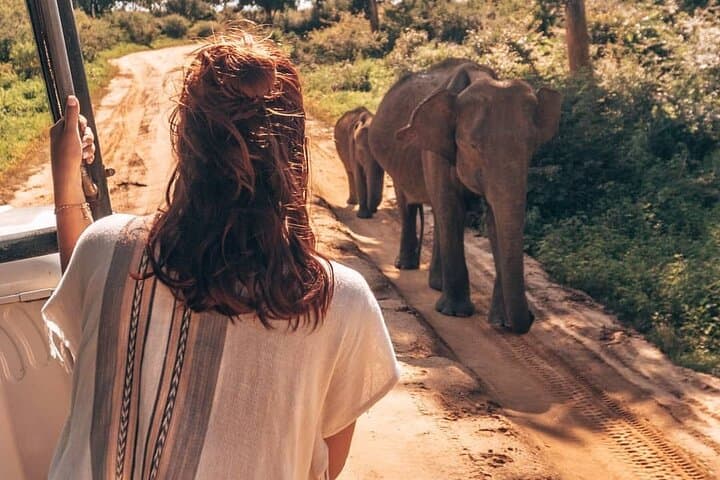
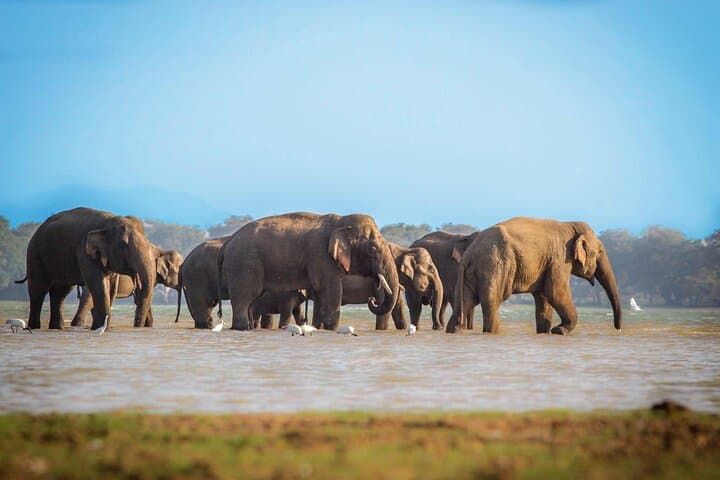
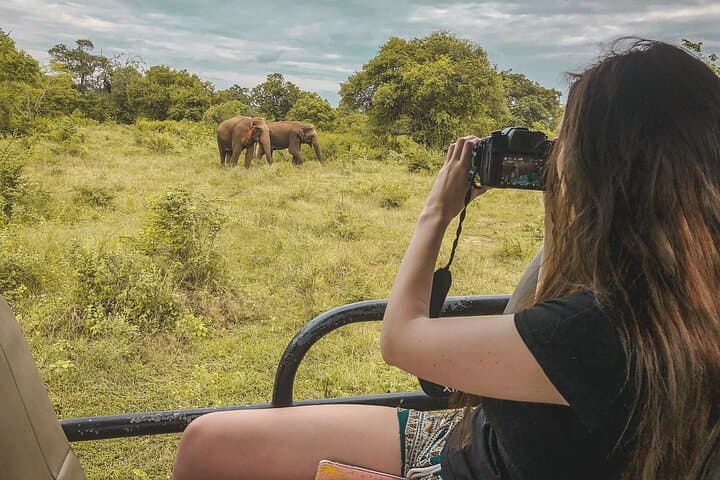
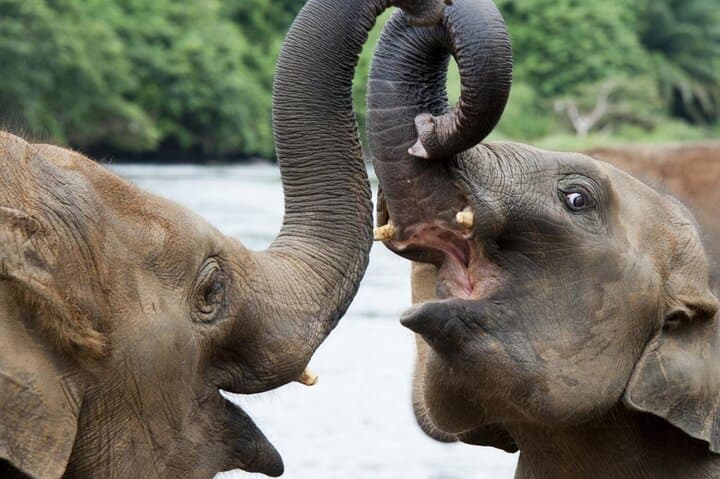
Before dawn the jeep hums onto the pitted road and the silhouette of the reservoir lifts from the low light. Birds break the stillness, and the scrub reaches toward the vehicle as if testing its resolve — here, the landscape is alert and mobile, not merely scenery.
Before dawn the jeep hums onto the pitted road and the silhouette of the reservoir lifts from the low light. Birds break the stillness, and the scrub reaches toward the vehicle as if testing its resolve — here, the landscape is alert and mobile, not merely scenery.
Udawalawe National Park was created around the Udawalawe Reservoir in 1972 to protect catchment lands and offer refuge to displaced elephants. The terrain alternates open grassland, thorn scrub and the deep shoulder of the reservoir; geology here favors weathered laterite soils with isolated outcrops that shape the park’s drainage and hiding places for animals.
Local villages carry a strong rural Southern Province culture: rice paddies, coconut groves and small roadside stalls selling tea and short eats. Guides often double as naturalists and interpreters; they read animal behavior the way farmers read weather.
Practical guidance: the tour runs about eight hours with hotel pickup from Galle, Weligama, Mirissa and nearby towns (pickups typically start ~5:00 AM to reach prime viewing). Expect an open-top safari jeep, a packed local breakfast, and multiple short drives through both watery margins and dry plains. Pack sun protection, a light rain shell, binoculars and a long lens if you photograph — the best sightings often happen at a distance. Keep noise low, remain seated in the jeep, and follow your guide’s instructions: elephants will test boundaries and the safest viewing is always from the vehicle.
Timing matters — drier months concentrate wildlife around water. If conservation means anything here, it’s giving space: observe, don’t feed, and leave the landscape as you found it.