THE ADVENTURE COLLECTIVE® · Independent discovery and booking for outdoor travel

Travel from Ella to Udawalawe National Park for a focused three-hour jeep safari through marshes and grassland where Sri Lankan elephants, waterbirds and shy deer congregate. Expect a full-day outing with hotel pickup, open-sided jeeps and good chances for close wildlife viewing.
Travel from Ella to Udawalawe National Park for a focused three-hour jeep safari through marshes and grassland where Sri Lankan elephants, waterbirds and shy deer congregate. Expect a full-day outing with hotel pickup, open-sided jeeps and good chances for close wildlife viewing.
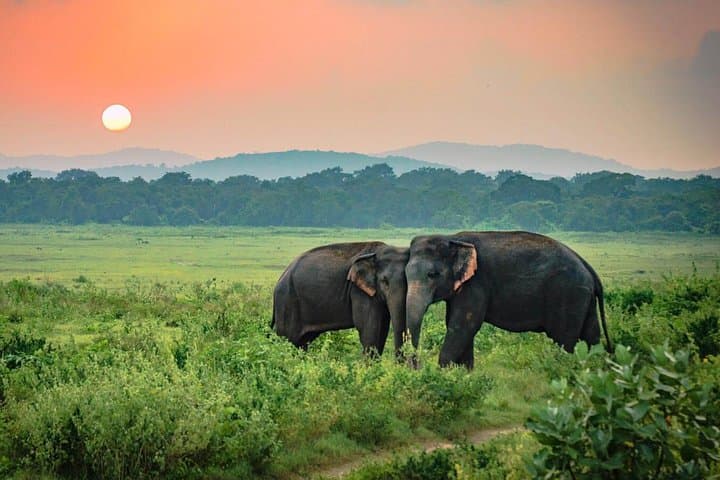
The jeep crunches over red dust as the low ridge of the Central Highlands slides into the rearview — by late afternoon the heat changes the light and the grasslands of Udawalawe sharpen into color.
Verified experiences and guided adventures in the surrounding area.
Operated by Lakpura LLC · Udawalawe, Sabaragamuwa
The jeep crunches over red dust as the low ridge of the Central Highlands slides into the rearview — by late afternoon the heat changes the light and the grasslands of Udawalawe sharpen into color.
Established in 1972 to protect the Udawalawe reservoir catchment, the park occupies open plains, marshes and gallery forest where basalt escarpments from the island’s uplifted highlands form a distant backbone. The landscape is young geologically, shaped by volcanic flows and ancient river terraces; culturally it sits at the crossroads of Sri Lanka’s rural agricultural life, where tank irrigation and village temple life meet wildlife corridors.
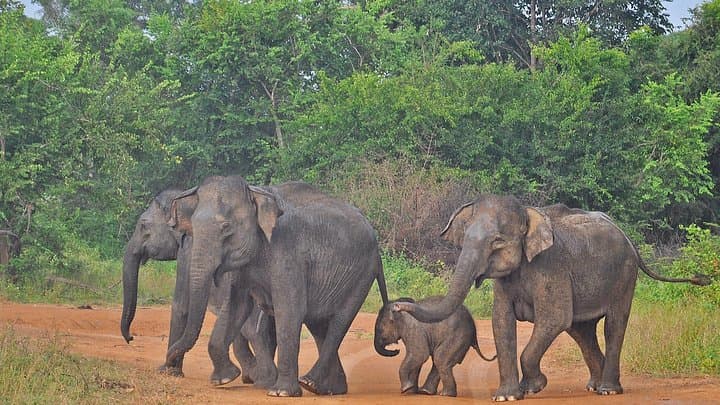
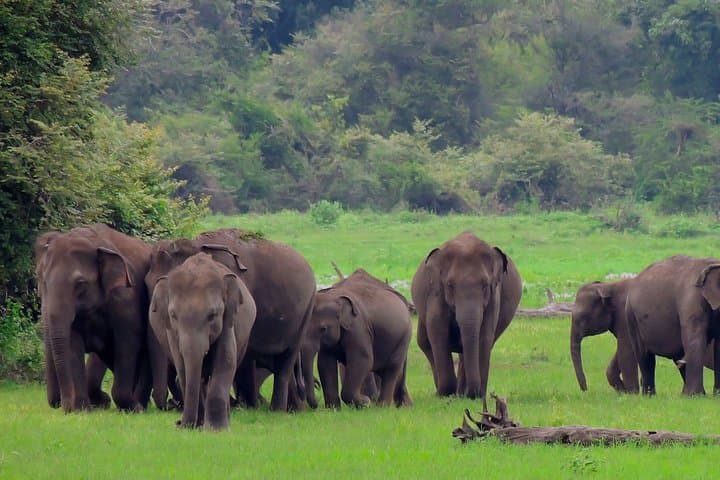
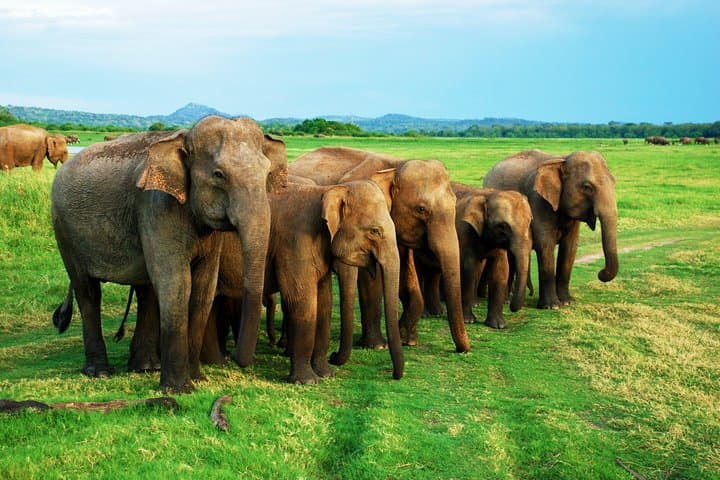
On a three-hour jeep safari you’ll cross floodplain, scrub and shallow pools that attract herds of Sri Lankan elephants — the park’s signature residents — alongside waterbirds, macaques and sambar deer. Guides read the terrain like a map: elephant tracks, dust plumes and the sudden resolved stare of a crocodile on the bank. The park’s open sightlines make wildlife encounters frequent but respectful distance and slow approaches matter.
Practical guidance: departures from Ella are mid-day with about 2.5 hours’ drive each way, so plan for a full 7–8 hour day. Bring sun protection, insect repellent and a lightweight layer for evening return; charge cameras and carry water. Vehicles are open-sided — pack a small daypack and wear grippy shoes for quick climbs in muddy patches. Book a morning or late-afternoon safari when animals are most active and communicate dietary or mobility needs when reserving hotel pickup.
moderate.
6–8 hours.
Moderate fitness required: long vehicle transfer plus short, sometimes uneven walking at viewing stops.
Expect about 2–2.5 hours each way by air-conditioned vehicle, depending on traffic and road conditions.
Common sightings include Sri Lankan elephants, water buffalo, sambar deer, macaques and a variety of waterbirds and raptors.
Confirm with your operator—some tours include jeep and guide fees but not national park entry; the trip listing notes a jeep safari is included, but verify local fees at booking.
This tour is not recommended for pregnant travelers and children should be supervised; check the operator’s age policies before booking.
Udawalawe was established during a period of reservoir construction to protect the catchment and wildlife affected by the new Udawalawe Reservoir in the early 1970s.
The park balances tourism with habitat protection—stay on designated routes, avoid feeding wildlife and support local operators that follow park guidelines to reduce disturbance.
Lakpura LLC operates guided outdoor trips and adventures with an emphasis on safety, stewardship, and memorable experiences.
The jeep crunches over red dust as the low ridge of the Central Highlands slides into the rearview — by late afternoon the heat changes the light and the grasslands of Udawalawe sharpen into color.
The jeep crunches over red dust as the low ridge of the Central Highlands slides into the rearview — by late afternoon the heat changes the light and the grasslands of Udawalawe sharpen into color.
Established in 1972 to protect the Udawalawe reservoir catchment, the park occupies open plains, marshes and gallery forest where basalt escarpments from the island’s uplifted highlands form a distant backbone. The landscape is young geologically, shaped by volcanic flows and ancient river terraces; culturally it sits at the crossroads of Sri Lanka’s rural agricultural life, where tank irrigation and village temple life meet wildlife corridors.
On a three-hour jeep safari you’ll cross floodplain, scrub and shallow pools that attract herds of Sri Lankan elephants — the park’s signature residents — alongside waterbirds, macaques and sambar deer. Guides read the terrain like a map: elephant tracks, dust plumes and the sudden resolved stare of a crocodile on the bank. The park’s open sightlines make wildlife encounters frequent but respectful distance and slow approaches matter.
Practical guidance: departures from Ella are mid-day with about 2.5 hours’ drive each way, so plan for a full 7–8 hour day. Bring sun protection, insect repellent and a lightweight layer for evening return; charge cameras and carry water. Vehicles are open-sided — pack a small daypack and wear grippy shoes for quick climbs in muddy patches. Book a morning or late-afternoon safari when animals are most active and communicate dietary or mobility needs when reserving hotel pickup.