THE ADVENTURE COLLECTIVE® · Independent discovery and booking for outdoor travel

Spend a day tracking elephants, buffalo and waterbirds across the flat marshes and grasslands of Udawalawe National Park. This full-day jeep safari from Colombo pairs frequent wildlife sightings with practical local touches like a rice-and-curry lunch.
Spend a day tracking elephants, buffalo and waterbirds across the flat marshes and grasslands of Udawalawe National Park. This full-day jeep safari from Colombo pairs frequent wildlife sightings with practical local touches like a rice-and-curry lunch.
A low sun paints the reservoir gold as the jeep eases onto a dirt track and the grasses seem to lean closer, daring you to notice. Udawalawe’s plains open like a stage — herds of elephants amble between marsh and scrub, waterbirds wheel above the reservoir, and the driver scans the horizon for movement. The park’s flat, open terrain makes wildlife encounters frequent and cinematic: elephants, water buffalo, and deer move with an unhurried authority while the land itself directs the action.
Verified experiences and guided adventures in the surrounding area.
Operated by Blue Lanka Tours · Udawalawe, Uva Province
A low sun paints the reservoir gold as the jeep eases onto a dirt track and the grasses seem to lean closer, daring you to notice. Udawalawe’s plains open like a stage — herds of elephants amble between marsh and scrub, waterbirds wheel above the reservoir, and the driver scans the horizon for movement. The park’s flat, open terrain makes wildlife encounters frequent and cinematic: elephants, water buffalo, and deer move with an unhurried authority while the land itself directs the action.
Created around the reservoir in the late 1960s and protected soon after, Udawalawe National Park was designated to conserve habitats and the elephant populations displaced by development. Geologically it’s a low-lying basin of floodplain, sandy ridges and seasonal marshes; ecologically it reads more like East African savanna than rainforest, with grasses, scrub, and patches of secondary forest. Cultural touches are nearby — small farming communities, rice-and-curry lunches, and roadside tea stalls — that reflect rural Sri Lanka’s rhythms.
Practical guidance: this full-day jeep safari runs best at dawn or late afternoon when animals are active. Expect long stretches sitting in an open 4x4; bring a telephoto lens, sun protection, reusable water bottle and motion-sickness remedies. The park covers roughly 30,000 hectares at low elevation (around 100–150 m), so expect dusty tracks and sudden animal sightings rather than long hikes. Respect distance rules, keep noise low, and follow your guide’s signals — they read animal behavior and park rules. With basic preparation, a day here delivers some of Sri Lanka’s most assured wildlife viewing in a single, immersive outing.
easy.
10–12 hours.
Suitable for most fitness levels; ability to sit in a vehicle for several hours and step on/off a jeep is required
Most door-to-door day tours are 4–5 hours each way from Colombo depending on traffic; expect an early departure and late return.
Udawalawe is one of Sri Lanka’s most reliable parks for elephants, and sightings are common, though never guaranteed — wildlife is wild and unpredictable.
On this all-inclusive tour lunch, bottled water and park entry fees are included; confirm specifics with your operator when booking.
Yes — children can join but infants must sit on laps per operator policy; infant seats may be available on request.
The park was set aside in the early 1970s after the construction of the Udawalawe reservoir to protect displaced wildlife and the catchment area.
Management focuses on balancing human-wildlife coexistence and mitigating impacts from tourism and surrounding agriculture; follow park rules to reduce disturbance.
Blue Lanka Tours operates guided outdoor trips and adventures with an emphasis on safety, stewardship, and memorable experiences.
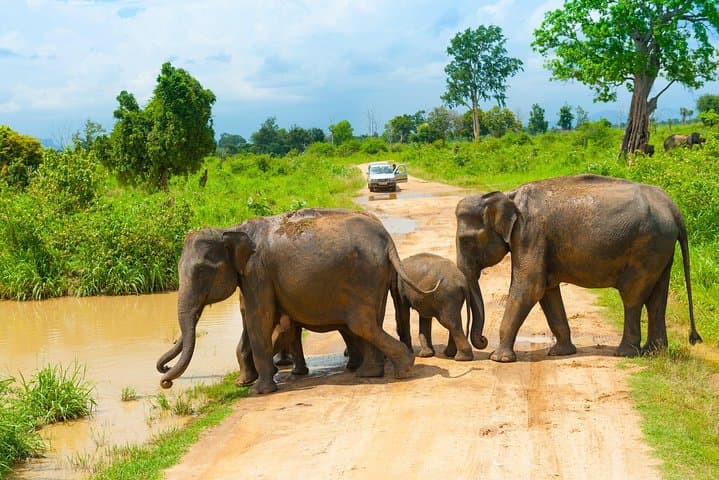
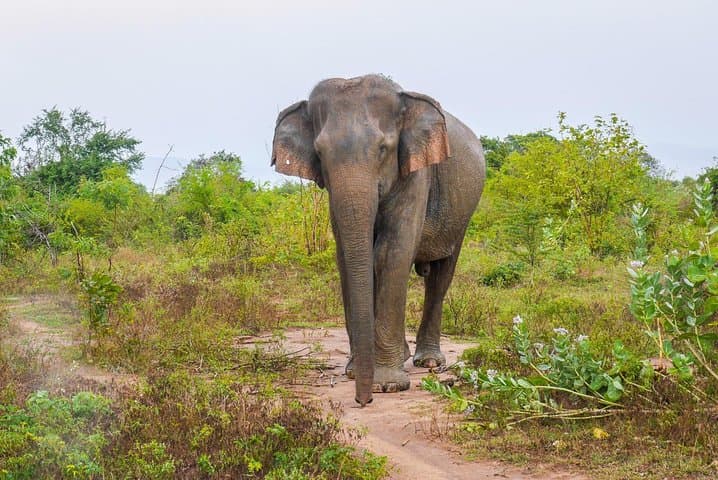
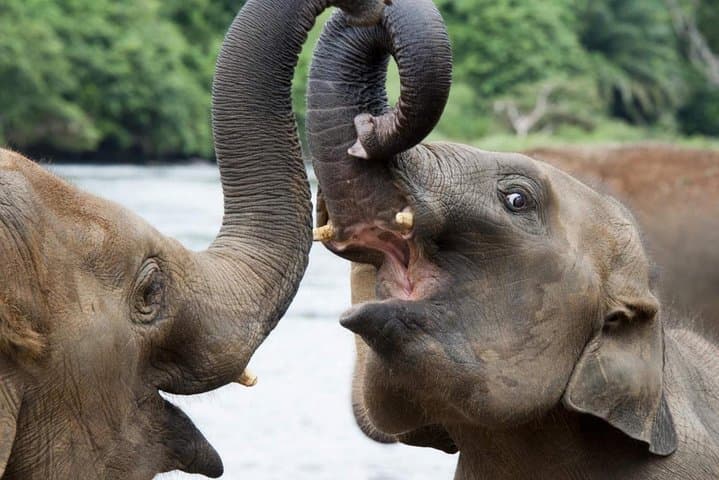
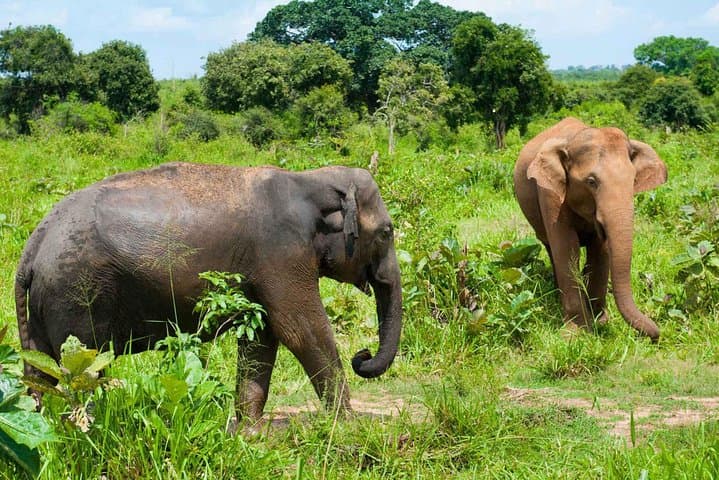
A low sun paints the reservoir gold as the jeep eases onto a dirt track and the grasses seem to lean closer, daring you to notice. Udawalawe’s plains open like a stage — herds of elephants amble between marsh and scrub, waterbirds wheel above the reservoir, and the driver scans the horizon for movement. The park’s flat, open terrain makes wildlife encounters frequent and cinematic: elephants, water buffalo, and deer move with an unhurried authority while the land itself directs the action.
A low sun paints the reservoir gold as the jeep eases onto a dirt track and the grasses seem to lean closer, daring you to notice. Udawalawe’s plains open like a stage — herds of elephants amble between marsh and scrub, waterbirds wheel above the reservoir, and the driver scans the horizon for movement. The park’s flat, open terrain makes wildlife encounters frequent and cinematic: elephants, water buffalo, and deer move with an unhurried authority while the land itself directs the action.
Created around the reservoir in the late 1960s and protected soon after, Udawalawe National Park was designated to conserve habitats and the elephant populations displaced by development. Geologically it’s a low-lying basin of floodplain, sandy ridges and seasonal marshes; ecologically it reads more like East African savanna than rainforest, with grasses, scrub, and patches of secondary forest. Cultural touches are nearby — small farming communities, rice-and-curry lunches, and roadside tea stalls — that reflect rural Sri Lanka’s rhythms.
Practical guidance: this full-day jeep safari runs best at dawn or late afternoon when animals are active. Expect long stretches sitting in an open 4x4; bring a telephoto lens, sun protection, reusable water bottle and motion-sickness remedies. The park covers roughly 30,000 hectares at low elevation (around 100–150 m), so expect dusty tracks and sudden animal sightings rather than long hikes. Respect distance rules, keep noise low, and follow your guide’s signals — they read animal behavior and park rules. With basic preparation, a day here delivers some of Sri Lanka’s most assured wildlife viewing in a single, immersive outing.