THE ADVENTURE COLLECTIVE® · Independent discovery and booking for outdoor travel

See orphaned calves being fed at the Elephant Transit Home, then head into Udawalawe National Park for a 3–4 hour private jeep safari. This day trip from Weligama combines close-up conservation viewing with broad savanna wildlife watching.
See orphaned calves being fed at the Elephant Transit Home, then head into Udawalawe National Park for a 3–4 hour private jeep safari. This day trip from Weligama combines close-up conservation viewing with broad savanna wildlife watching.
You arrive before the heat folds over the scrubby plains: a ribbon of road, the reservoir glinting like a sheet of metal, and palms that lean away from the sun. At the Elephant Transit Home, baby elephants wander with stubborn curiosity while keepers coax them with milk—an intimate, structured encounter before the wide, dry grasslands of Udawalawe open up for safari.
Verified experiences and guided adventures in the surrounding area.
Operated by Gihan Tours Sri Lanka · Udawalawe, Sabaragamuwa Province
You arrive before the heat folds over the scrubby plains: a ribbon of road, the reservoir glinting like a sheet of metal, and palms that lean away from the sun. At the Elephant Transit Home, baby elephants wander with stubborn curiosity while keepers coax them with milk—an intimate, structured encounter before the wide, dry grasslands of Udawalawe open up for safari.
Udawalawe National Park was set aside in the 1970s to protect wildlife displaced by the Udawalawe Reservoir and to secure the Walawe River catchment. The park sits where the low southern plains meet rolling hills; laterite soils and seasonal tank systems shape a landscape that alternates between grassy floodplains and thorny scrub, ideal habitat for elephants and waterbirds. Local communities around Weligama and Udawalawe are a mix of rice farmers and small-town traders whose rhythms still follow the monsoons.
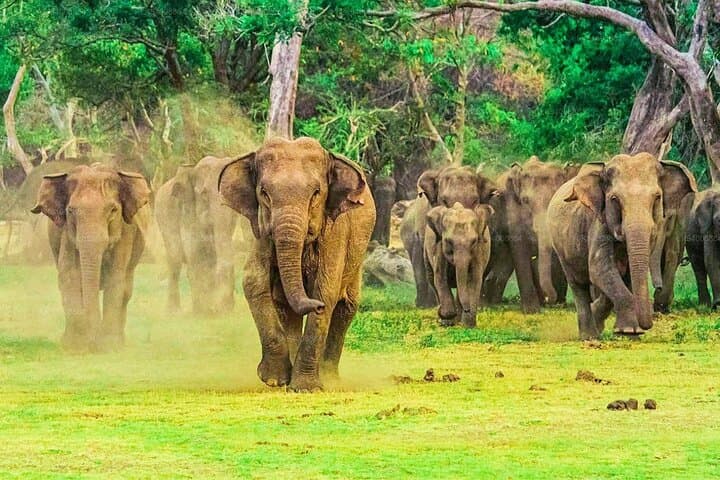
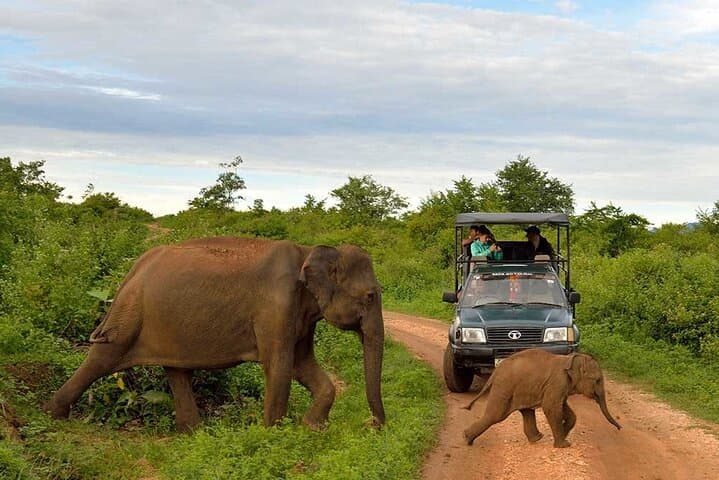
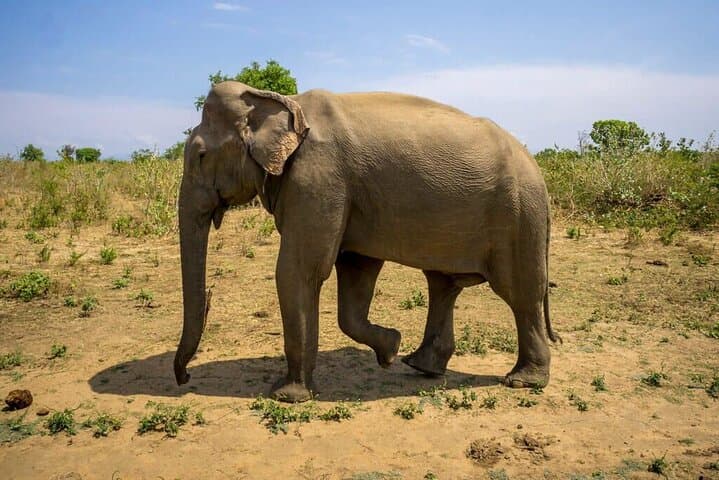
On a private day trip from the south-coast towns, expect roughly two hours of driving each way, a 30–45 minute feed at the Transit Home, and a 3–4 hour guided jeep safari in the park. Guides read game trails like a map—elephant families, axis deer, monitor lizards, and cruising crocodiles along the reservoir. Timing matters: mornings and late afternoons compress animal activity into watchable windows.
Practical notes: bring sun protection, a light layer for early-morning chill, and binoculars; vehicles are air-conditioned for transfer but open-topped on safari. This trip is ideal for travelers who want close elephant observation with the structure of a conservation facility and the rawness of a classic Sri Lankan wildlife reserve.
moderate.
8–10 hours.
Moderate fitness for transfers and getting in/out of safari jeeps; not strenuous but involves long vehicle time.
Expect an 8–10 hour day including hotel pickup, about 2 hours each way driving, a 30–45 minute Elephant Transit Home visit, and a 3–4 hour safari.
Yes—Udawalawe is well known for its resident elephant population and the Transit Home offers a reliable opportunity to watch orphaned calves being fed.
Yes; infants can travel but small children should use appropriate child seats as advised—check operator policies for age limits and seating.
The tour description indicates park entrance and Elephant Transit Home admissions are included—confirm at booking for any extra charges.
Udawalawe was designated after the creation of the Udawalawe Reservoir to provide sanctuary for animals displaced by flooding and to protect the river catchment.
The Elephant Transit Home rehabilitates orphaned calves for release and works with the Department of Wildlife Conservation; visitors are encouraged to follow guidelines that minimize disturbance.
Gihan Tours Sri Lanka operates guided outdoor trips and adventures with an emphasis on safety, stewardship, and memorable experiences.
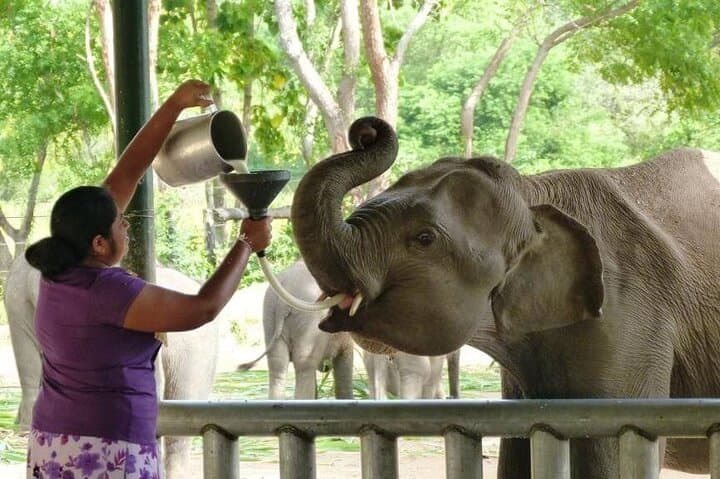
You arrive before the heat folds over the scrubby plains: a ribbon of road, the reservoir glinting like a sheet of metal, and palms that lean away from the sun. At the Elephant Transit Home, baby elephants wander with stubborn curiosity while keepers coax them with milk—an intimate, structured encounter before the wide, dry grasslands of Udawalawe open up for safari.
You arrive before the heat folds over the scrubby plains: a ribbon of road, the reservoir glinting like a sheet of metal, and palms that lean away from the sun. At the Elephant Transit Home, baby elephants wander with stubborn curiosity while keepers coax them with milk—an intimate, structured encounter before the wide, dry grasslands of Udawalawe open up for safari.
Udawalawe National Park was set aside in the 1970s to protect wildlife displaced by the Udawalawe Reservoir and to secure the Walawe River catchment. The park sits where the low southern plains meet rolling hills; laterite soils and seasonal tank systems shape a landscape that alternates between grassy floodplains and thorny scrub, ideal habitat for elephants and waterbirds. Local communities around Weligama and Udawalawe are a mix of rice farmers and small-town traders whose rhythms still follow the monsoons.
On a private day trip from the south-coast towns, expect roughly two hours of driving each way, a 30–45 minute feed at the Transit Home, and a 3–4 hour guided jeep safari in the park. Guides read game trails like a map—elephant families, axis deer, monitor lizards, and cruising crocodiles along the reservoir. Timing matters: mornings and late afternoons compress animal activity into watchable windows.
Practical notes: bring sun protection, a light layer for early-morning chill, and binoculars; vehicles are air-conditioned for transfer but open-topped on safari. This trip is ideal for travelers who want close elephant observation with the structure of a conservation facility and the rawness of a classic Sri Lankan wildlife reserve.