THE ADVENTURE COLLECTIVE® · Independent discovery and booking for outdoor travel

Spend a full day from Galle exploring Udawalawe National Park’s open plains and the Elephant Transit Home. Expect close elephant sightings, a 4x4 jeep safari, and a hands-on look at calf rehabilitation — all in a long, sensory day out of town.
Spend a full day from Galle exploring Udawalawe National Park’s open plains and the Elephant Transit Home. Expect close elephant sightings, a 4x4 jeep safari, and a hands-on look at calf rehabilitation — all in a long, sensory day out of town.
The jeep bumps onto the rutted track and the air changes — dust, wet earth and a distant lullaby of bird calls. Through the open roof you watch a line of dark backs move across a scrub plain: elephants steering toward water like a slow tide. This day trip from Galle stitches coastal hotels to the wide, dry plains of Udawalawe, where the landscape pushes you into close company with Asia’s largest land mammal.
Verified experiences and guided adventures in the surrounding area.
Operated by OTN WORLD PVT LTD · Udawalawe, Southern Province
The jeep bumps onto the rutted track and the air changes — dust, wet earth and a distant lullaby of bird calls. Through the open roof you watch a line of dark backs move across a scrub plain: elephants steering toward water like a slow tide. This day trip from Galle stitches coastal hotels to the wide, dry plains of Udawalawe, where the landscape pushes you into close company with Asia’s largest land mammal.
Udawalawe was declared a national park in 1972 to protect catchment zones and the new reservoir built in the late 1960s; the Elephant Transit Home opened in 1995 to rehabilitate orphaned calves and return them to the wild. Geology here is simple — low rolling hills, reservoirs and laterite soils that hold seasonal ponds — but it creates concentrated animal corridors. Local communities keep small roadside stalls selling king coconuts and fresh fruit; culture here feels practical and rural, shaped by tanks, irrigation and elephant movements.
Expect a morning or full-day rhythm: a 4x4 safari across open grassland, chance sightings of elephants, deer, and birds, then a visit to the Transit Home to watch caretakers prepare calves for release. Practical points: wildlife viewing is best in the dry months when animals gather at water; bring binoculars and a zoom lens, carry cash for jeep/park fees, and respect viewing distances. Hydrate, wear sun protection and closed shoes for rough paths. The trip is low-impact physically but rich in sensory detail — the scrub calls, the dust settles, the animals keep moving forward.
easy.
8–10 hours.
Suitable for travelers in general good health; mostly a seated ride with short walks at viewpoints and the Transit Home.
Travel time depends on traffic but plan for roughly 2.5–3.5 hours each way from Galle; the full tour runs about 8–10 hours including safari and Transit Home visit.
The 4x4 jeep safari fee (approx. $25 per jeep) and the national park entrance fee (stated at around USD 40 per person) are typically paid locally and may not be included in the base tour price—confirm when booking.
Yes; infants must sit on an adult’s lap and children should be supervised at all times. The activity is suitable for most fitness levels but not recommended for pregnant travelers or people with serious spinal/heart conditions.
No—wildlife is unpredictable, but dry-season months and early morning safaris increase the odds as animals concentrate around water sources.
Udawalawe National Park was set aside in 1972 to protect catchment areas and wildlife after reservoir construction in the late 1960s; the Elephant Transit Home began operations in 1995 to rehabilitate orphaned calves.
The Transit Home focuses on rehabilitating and releasing elephants; visitors are expected to follow park rules—no feeding or littering—and support local conservation by respecting viewing distances and using authorized guides.
OTN WORLD PVT LTD operates guided outdoor trips and adventures with an emphasis on safety, stewardship, and memorable experiences.
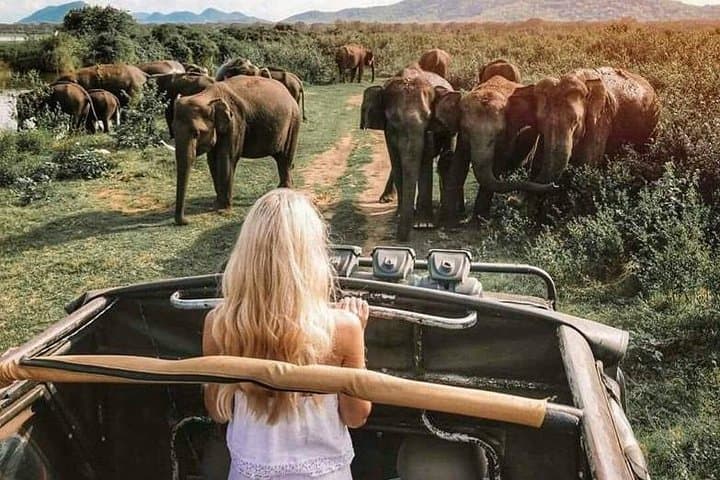
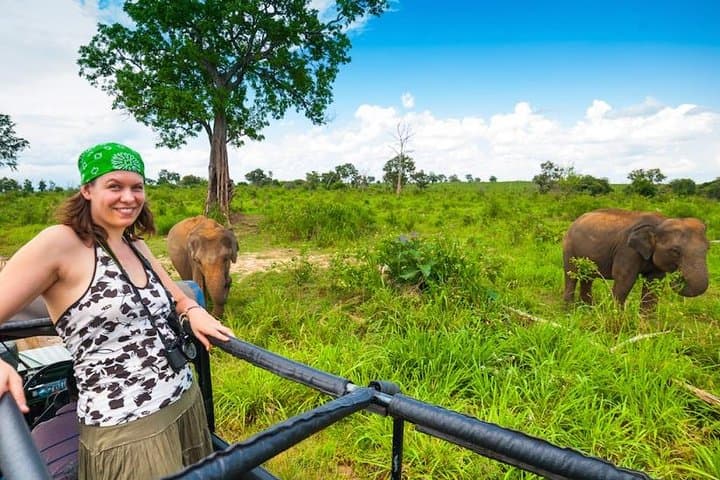
The jeep bumps onto the rutted track and the air changes — dust, wet earth and a distant lullaby of bird calls. Through the open roof you watch a line of dark backs move across a scrub plain: elephants steering toward water like a slow tide. This day trip from Galle stitches coastal hotels to the wide, dry plains of Udawalawe, where the landscape pushes you into close company with Asia’s largest land mammal.
The jeep bumps onto the rutted track and the air changes — dust, wet earth and a distant lullaby of bird calls. Through the open roof you watch a line of dark backs move across a scrub plain: elephants steering toward water like a slow tide. This day trip from Galle stitches coastal hotels to the wide, dry plains of Udawalawe, where the landscape pushes you into close company with Asia’s largest land mammal.
Udawalawe was declared a national park in 1972 to protect catchment zones and the new reservoir built in the late 1960s; the Elephant Transit Home opened in 1995 to rehabilitate orphaned calves and return them to the wild. Geology here is simple — low rolling hills, reservoirs and laterite soils that hold seasonal ponds — but it creates concentrated animal corridors. Local communities keep small roadside stalls selling king coconuts and fresh fruit; culture here feels practical and rural, shaped by tanks, irrigation and elephant movements.
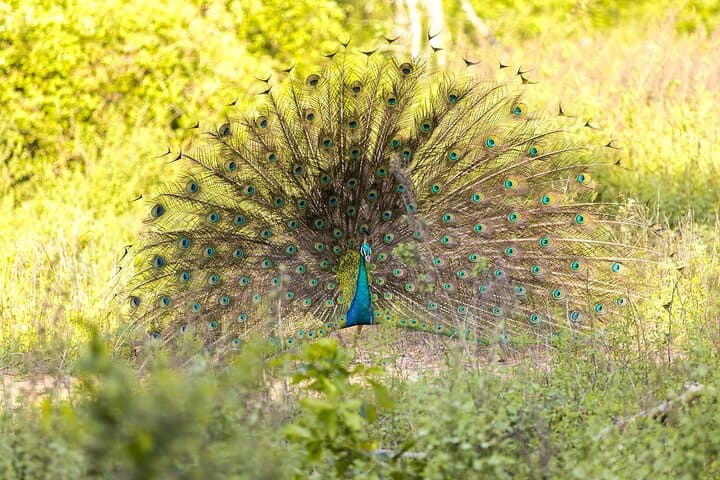
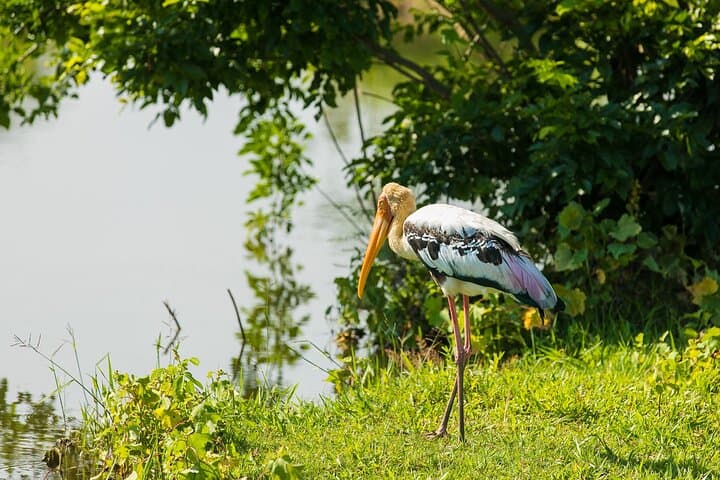
Expect a morning or full-day rhythm: a 4x4 safari across open grassland, chance sightings of elephants, deer, and birds, then a visit to the Transit Home to watch caretakers prepare calves for release. Practical points: wildlife viewing is best in the dry months when animals gather at water; bring binoculars and a zoom lens, carry cash for jeep/park fees, and respect viewing distances. Hydrate, wear sun protection and closed shoes for rough paths. The trip is low-impact physically but rich in sensory detail — the scrub calls, the dust settles, the animals keep moving forward.