THE ADVENTURE COLLECTIVE® · Independent discovery and booking for outdoor travel

Drive into the low, sunlit plains of Udawalawe National Park on a three-hour jeep safari where elephants gather at reservoirs and marsh edges. This practical guide covers what you’ll see, why the park matters, and how to prepare for close but respectful wildlife encounters.
Drive into the low, sunlit plains of Udawalawe National Park on a three-hour jeep safari where elephants gather at reservoirs and marsh edges. This practical guide covers what you’ll see, why the park matters, and how to prepare for close but respectful wildlife encounters.
Dawn breaks over the Udawalawe Reservoir and the jeep slides onto a dust-streaked track, engines murmuring as silhouette after silhouette of elephants materializes against flat, grassy plains. The air smells of sun-warmed grass and river mud; drivers scan the bunds and shallow pools while guides point out splashing herds and patient crocodiles.
Verified experiences and guided adventures in the surrounding area.
Operated by ZRI Adventures · Udawalawe, Sabaragamuwa Province
Dawn breaks over the Udawalawe Reservoir and the jeep slides onto a dust-streaked track, engines murmuring as silhouette after silhouette of elephants materializes against flat, grassy plains. The air smells of sun-warmed grass and river mud; drivers scan the bunds and shallow pools while guides point out splashing herds and patient crocodiles.
Udawalawe National Park was established in the early 1970s after waters rose to form the reservoir, creating a dry-zone wildlife refuge that favors large mammals. Geologically the park is low-elevation (roughly 80–150 m), with lateritic soils, open grasslands, thorn scrub and scattered forest patches. Culturally it sits within rural southern Sri Lanka—small farming settlements and tank-irrigation systems frame the park’s edges and the nearby Elephant Transit Home highlights local conservation efforts.
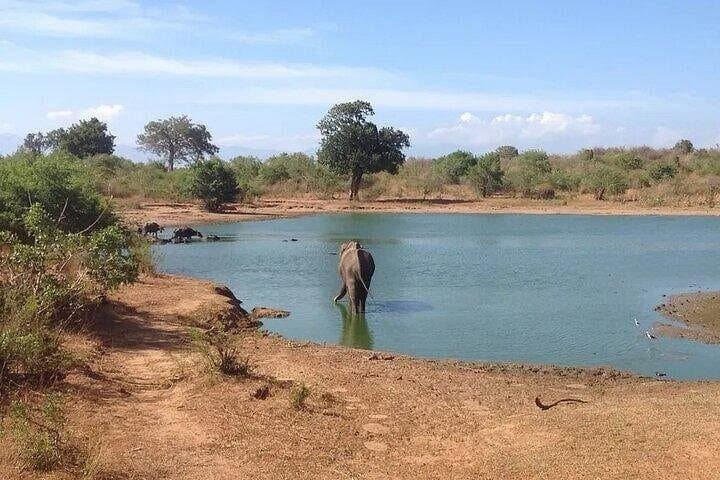
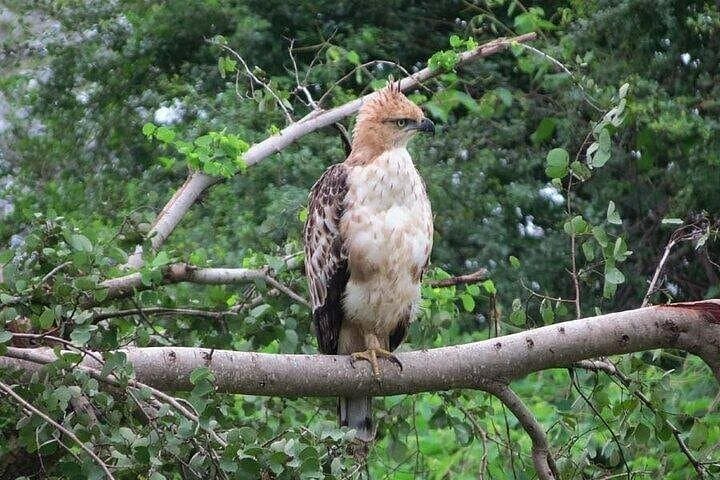
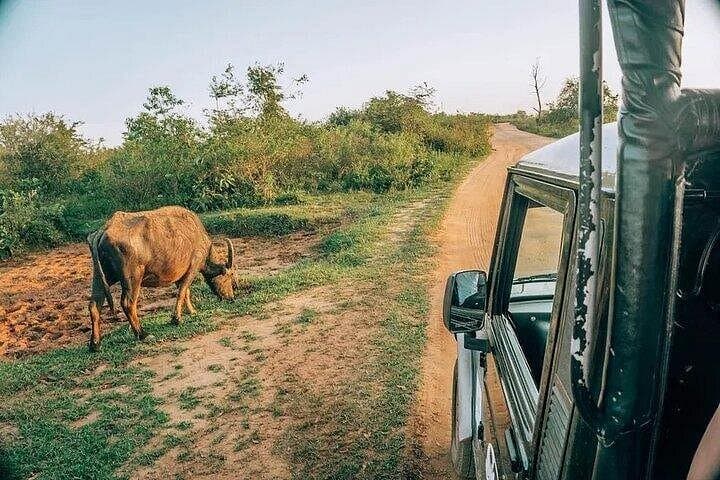
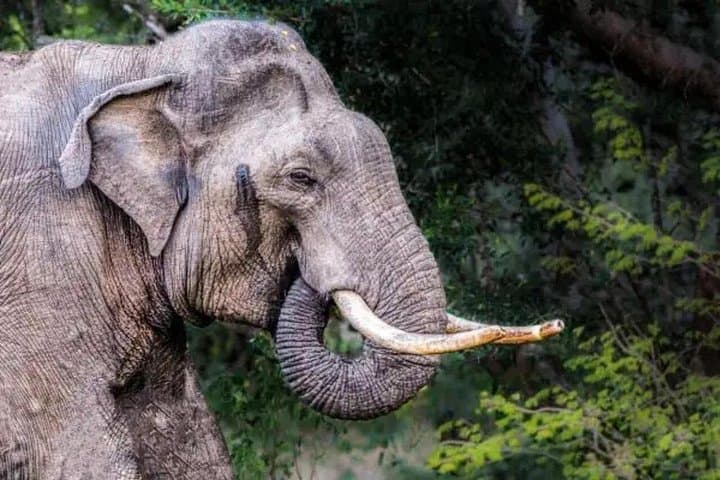
On a typical 3-hour safari you’ll ride in an open-sided jeep over unpaved tracks, pausing at watering holes and river bends. Expect prolonged elephant sightings, water buffalo, marsh birds and occasional crocodiles; guides use knowledge of watering schedules and herd behavior to maximize sightings.
Plan practical details: go early for cooler light and more activity, bring binoculars and a camera with a zoom lens, and carry sunscreen, a refillable water bottle and closed-toe shoes—the jeep can be bumpy. Always follow your guide’s instructions and keep a safe distance from wildlife. With basic preparation, a Udawalawe safari delivers close, respectful encounters with some of Sri Lanka’s most iconic species while offering crisp reservoir views and a direct connection to the island’s dry-zone ecology.
easy.
3 hours.
Suitable for most fitness levels; ability to climb into a high-clearance jeep and sit for the duration is needed.
This tour runs about three hours—enough time to cover several habitats around the reservoir and reach high-probability viewing areas.
Udawalawe has one of the island’s highest concentrations of wild elephants; sightings are common, though exact encounters depend on season and time of day.
Yes—safaris are generally low-impact physically, but climbing into the jeep and remaining seated on bumpy roads is required; consult the operator about very young children or mobility issues.
No—approaching, touching, or feeding wildlife is unsafe and prohibited; guides will position the vehicle for respectful viewing distances.
The park was designated in the early 1970s after the Udawalawe Reservoir altered local habitats, creating a protected dry-zone reserve that supports resident elephant populations.
Park management and local NGOs emphasize non-invasive viewing, anti-poaching patrols and rehabilitation programs—visitors help by staying on tracks and not feeding wildlife.
ZRI Adventures operates guided outdoor trips and adventures with an emphasis on safety, stewardship, and memorable experiences.
Dawn breaks over the Udawalawe Reservoir and the jeep slides onto a dust-streaked track, engines murmuring as silhouette after silhouette of elephants materializes against flat, grassy plains. The air smells of sun-warmed grass and river mud; drivers scan the bunds and shallow pools while guides point out splashing herds and patient crocodiles.
Dawn breaks over the Udawalawe Reservoir and the jeep slides onto a dust-streaked track, engines murmuring as silhouette after silhouette of elephants materializes against flat, grassy plains. The air smells of sun-warmed grass and river mud; drivers scan the bunds and shallow pools while guides point out splashing herds and patient crocodiles.
Udawalawe National Park was established in the early 1970s after waters rose to form the reservoir, creating a dry-zone wildlife refuge that favors large mammals. Geologically the park is low-elevation (roughly 80–150 m), with lateritic soils, open grasslands, thorn scrub and scattered forest patches. Culturally it sits within rural southern Sri Lanka—small farming settlements and tank-irrigation systems frame the park’s edges and the nearby Elephant Transit Home highlights local conservation efforts.
On a typical 3-hour safari you’ll ride in an open-sided jeep over unpaved tracks, pausing at watering holes and river bends. Expect prolonged elephant sightings, water buffalo, marsh birds and occasional crocodiles; guides use knowledge of watering schedules and herd behavior to maximize sightings.
Plan practical details: go early for cooler light and more activity, bring binoculars and a camera with a zoom lens, and carry sunscreen, a refillable water bottle and closed-toe shoes—the jeep can be bumpy. Always follow your guide’s instructions and keep a safe distance from wildlife. With basic preparation, a Udawalawe safari delivers close, respectful encounters with some of Sri Lanka’s most iconic species while offering crisp reservoir views and a direct connection to the island’s dry-zone ecology.