THE ADVENTURE COLLECTIVE® · Independent discovery and booking for outdoor travel

Trade the coast for wide Sri Lankan grasslands on a full-day safari to Udawalawe. See large elephant herds in open country, visit the Elephant Transit Home, and learn why timing and etiquette make the difference between a sighting and a story.
Trade the coast for wide Sri Lankan grasslands on a full-day safari to Udawalawe. See large elephant herds in open country, visit the Elephant Transit Home, and learn why timing and etiquette make the difference between a sighting and a story.
A pre-dawn van pulls away from the palm-lined coast and the road runs inland, trading surf for broad, sun-browned plains. By midmorning the jeep eases along sandy tracks through grassland and thorn scrub; the park’s elephants move like slow-weathered stones, testing the air and deciding whether to cross.
Verified experiences and guided adventures in the surrounding area.
Operated by Bentota Travel Mart · Udawalawe, Southern Province
A pre-dawn van pulls away from the palm-lined coast and the road runs inland, trading surf for broad, sun-browned plains. By midmorning the jeep eases along sandy tracks through grassland and thorn scrub; the park’s elephants move like slow-weathered stones, testing the air and deciding whether to cross.
Udawalawe National Park, created in the early 1970s after the reservoir reshaped the landscape, sits at a geological edge where wet-zone lowlands meet drier plains. The Elephant Transit Home, opened in 1995, rescues orphan calves and prepares many for reintroduction into these same grasslands. Local villages around the park are rooted in coconut and rice farming; drivers and guides often point out how seasonal water levels shape animal movement.
Expect a focused wildlife day: a 3-hour jeep safari through largely open country, stop at the Elephant Transit Home for a short visit, and time in transit from Bentota or nearby coastal towns. Terrain is flat to gently undulating, with dusty tracks that can get bumpy; shade is sparse but the reservoir and dry riverbeds collect birds.
Practical edge: start early to catch cooler light and active animals; carry sun protection, a refillable bottle, and binoculars. Respect distance rules—jeeps provide the best vantage without disturbing herds. Photography benefits from a telephoto lens; keep lenses ready and motors quiet. This is a long, rewarding day trip—low technical demand, high wildlife payoff.
easy.
10–12 hours.
Minimal fitness required—able to tolerate long vehicle rides and short walks at stops.
The scheduled jeep safari is about three hours, timed to maximize wildlife viewing in open grasslands and around waterholes.
Yes — the day trip typically includes a short visit to the Elephant Transit Home to see rescued calves and learn about rehabilitation efforts.
Families are welcome; infant seats are available, but supervisors should follow park rules and keep children seated and quiet during sightings.
Dry months (roughly May to September) concentrate animals around water and can improve visibility, though wildlife is present year-round.
Udawalawe National Park was established in the early 1970s after reservoir construction changed local hydrology; the Elephant Transit Home began operations in 1995 to rehabilitate orphan calves.
The park balances tourism with elephant conservation—visitors should avoid feeding or approaching animals and follow guide instructions to reduce disturbance.
Bentota Travel Mart operates guided outdoor trips and adventures with an emphasis on safety, stewardship, and memorable experiences.
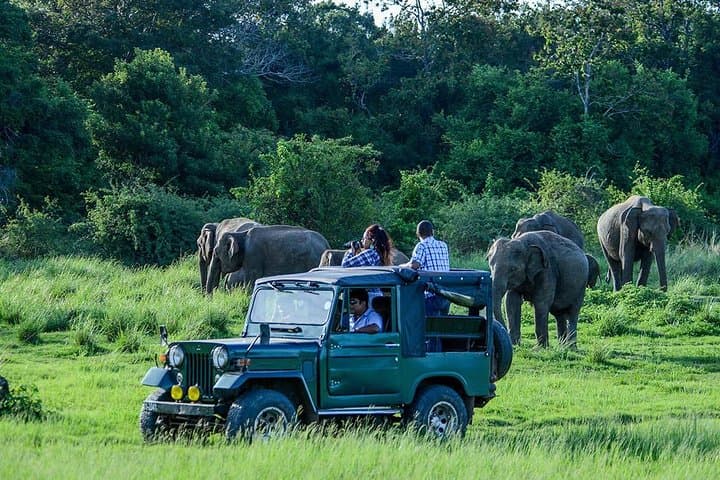
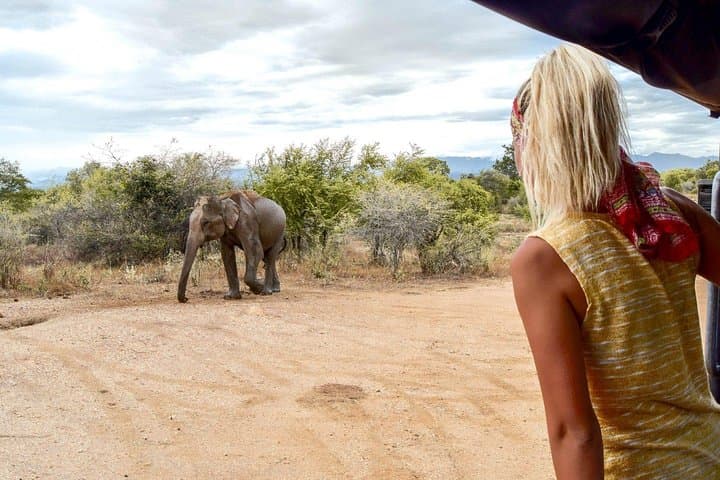
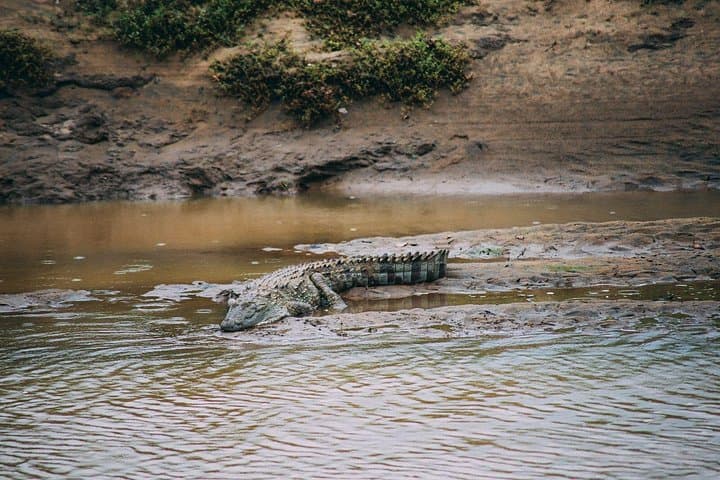
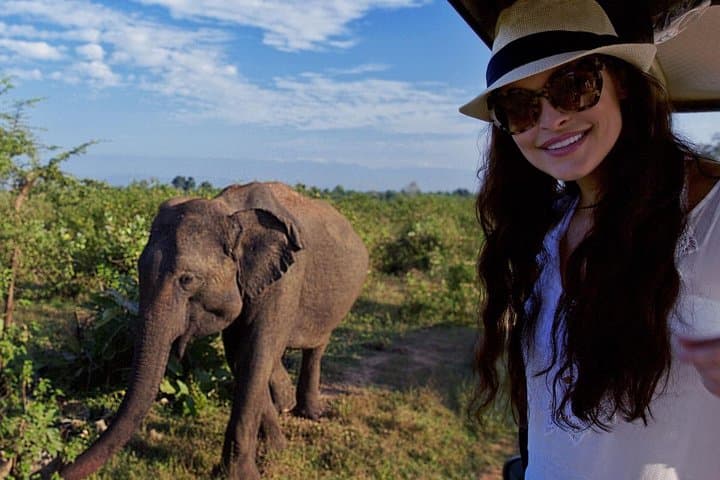
A pre-dawn van pulls away from the palm-lined coast and the road runs inland, trading surf for broad, sun-browned plains. By midmorning the jeep eases along sandy tracks through grassland and thorn scrub; the park’s elephants move like slow-weathered stones, testing the air and deciding whether to cross.
A pre-dawn van pulls away from the palm-lined coast and the road runs inland, trading surf for broad, sun-browned plains. By midmorning the jeep eases along sandy tracks through grassland and thorn scrub; the park’s elephants move like slow-weathered stones, testing the air and deciding whether to cross.
Udawalawe National Park, created in the early 1970s after the reservoir reshaped the landscape, sits at a geological edge where wet-zone lowlands meet drier plains. The Elephant Transit Home, opened in 1995, rescues orphan calves and prepares many for reintroduction into these same grasslands. Local villages around the park are rooted in coconut and rice farming; drivers and guides often point out how seasonal water levels shape animal movement.
Expect a focused wildlife day: a 3-hour jeep safari through largely open country, stop at the Elephant Transit Home for a short visit, and time in transit from Bentota or nearby coastal towns. Terrain is flat to gently undulating, with dusty tracks that can get bumpy; shade is sparse but the reservoir and dry riverbeds collect birds.
Practical edge: start early to catch cooler light and active animals; carry sun protection, a refillable bottle, and binoculars. Respect distance rules—jeeps provide the best vantage without disturbing herds. Photography benefits from a telephoto lens; keep lenses ready and motors quiet. This is a long, rewarding day trip—low technical demand, high wildlife payoff.