THE ADVENTURE COLLECTIVE® · Independent discovery and booking for outdoor travel

Spend a full day exploring Udawalawe National Park’s open plains, spotting large herds of Asian elephants, and visiting the Elephant Transit Home to see rescued calves in rehabilitation. This accessible day tour from Hambantota Port pairs reliable sightings with conservation insight.
Spend a full day exploring Udawalawe National Park’s open plains, spotting large herds of Asian elephants, and visiting the Elephant Transit Home to see rescued calves in rehabilitation. This accessible day tour from Hambantota Port pairs reliable sightings with conservation insight.
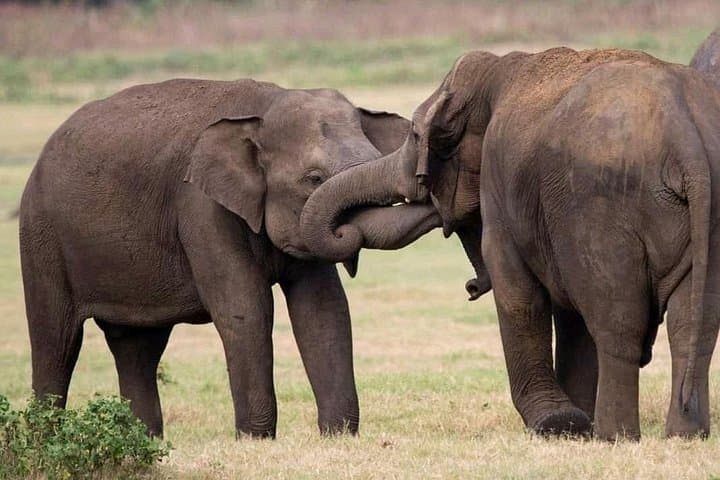
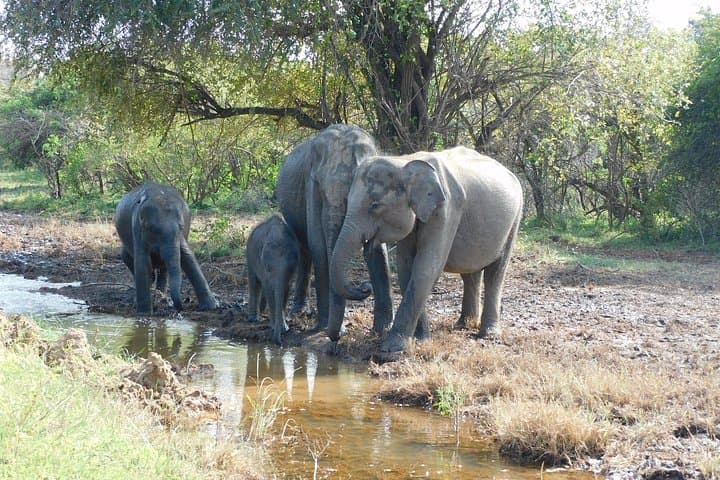
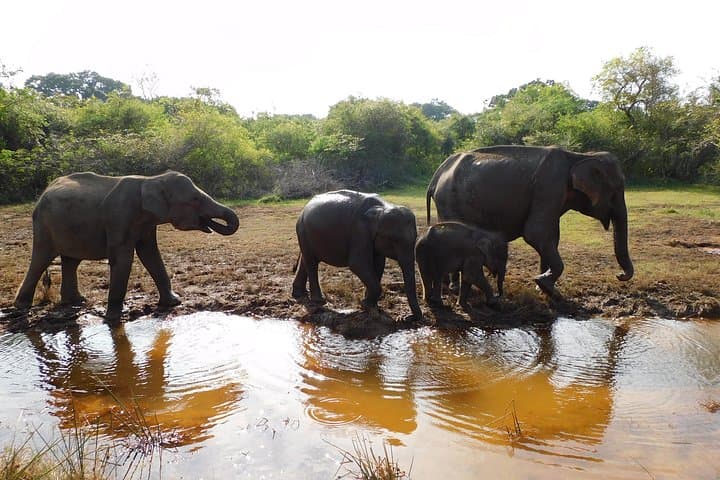
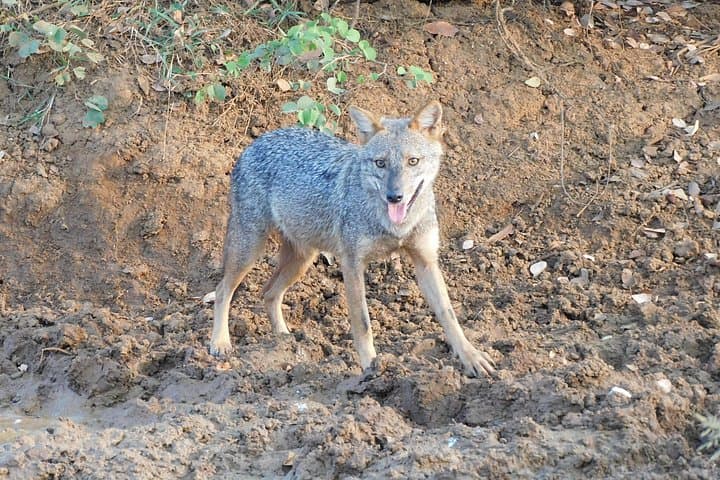
Early light breaks across the Udawalawe tank and the dry grasses stand like watchful sentries; a safari jeep eases along a dusty track and elephants appear like slow-moving weather on the horizon. The park’s wide plains and the reservoir’s edge create clear sightlines—perfect for spotting herds, water buffalo, and the occasional sambar deer that moves through the heat with deliberate calm.
Verified experiences and guided adventures in the surrounding area.
Operated by Yala Dreams Wild Safari Tours · Udawalawe, Southern Province
Early light breaks across the Udawalawe tank and the dry grasses stand like watchful sentries; a safari jeep eases along a dusty track and elephants appear like slow-moving weather on the horizon. The park’s wide plains and the reservoir’s edge create clear sightlines—perfect for spotting herds, water buffalo, and the occasional sambar deer that moves through the heat with deliberate calm.
Udawalawe National Park covers roughly 308 km² in Sri Lanka’s dry zone and was designated in 1972 to protect the catchment of the Udawalawe Reservoir and the animals that depend on it. Geologically the landscape is low-lying and flat, carved by seasonal streams and punctuated by scrub and granite outcrops. Culturally, the surrounding villages reflect southern Sri Lankan life—paddy fields, temple stupa silhouettes, and roadside tea stalls where drivers pause.
A visit pairs a game drive with the Elephant Transit Home, where orphaned calves are rehabilitated before release. Seeing a calf practice social behaviors under staff care adds conservation context to the safari: this is active, local wildlife management rather than a passive photo stop.
Practical guidance: expect a 6–8 hour excursion from Hambantota with early-morning or late-afternoon windows best for sightings. Wear sun protection, light breathable layers, and sturdy shoes for short walks at viewing points. Carry small local currency for park entry (paid at the gate) and a camera with a 200–400mm equivalent for meaningful photos. Respect animals’ space—stay in the vehicle unless instructed otherwise—and follow your guide’s directions to get the most from a day that balances wildlife viewing with a hands-on conservation visit.
No—national park entry fees and any government levies must be purchased at the park gate on the day of your visit.
The tour runs about 7 hours (pickup and drop-off included) and offers complimentary transport from Hambantota Port and surrounding towns listed at booking.
Udawalawe hosts 500–600 elephants and sightings are very likely on most drives, though wildlife is never guaranteed; time of day and seasonal water distribution affect visibility.
You can visit to watch rehabilitation work and calves at feeding times, but direct contact is controlled by staff for animal welfare—follow the guides’ instructions.
Yala Dreams Wild Safari Tours operates guided outdoor trips and adventures with an emphasis on safety, stewardship, and memorable experiences.
Early light breaks across the Udawalawe tank and the dry grasses stand like watchful sentries; a safari jeep eases along a dusty track and elephants appear like slow-moving weather on the horizon. The park’s wide plains and the reservoir’s edge create clear sightlines—perfect for spotting herds, water buffalo, and the occasional sambar deer that moves through the heat with deliberate calm.
Early light breaks across the Udawalawe tank and the dry grasses stand like watchful sentries; a safari jeep eases along a dusty track and elephants appear like slow-moving weather on the horizon. The park’s wide plains and the reservoir’s edge create clear sightlines—perfect for spotting herds, water buffalo, and the occasional sambar deer that moves through the heat with deliberate calm.
Udawalawe National Park covers roughly 308 km² in Sri Lanka’s dry zone and was designated in 1972 to protect the catchment of the Udawalawe Reservoir and the animals that depend on it. Geologically the landscape is low-lying and flat, carved by seasonal streams and punctuated by scrub and granite outcrops. Culturally, the surrounding villages reflect southern Sri Lankan life—paddy fields, temple stupa silhouettes, and roadside tea stalls where drivers pause.
A visit pairs a game drive with the Elephant Transit Home, where orphaned calves are rehabilitated before release. Seeing a calf practice social behaviors under staff care adds conservation context to the safari: this is active, local wildlife management rather than a passive photo stop.
Practical guidance: expect a 6–8 hour excursion from Hambantota with early-morning or late-afternoon windows best for sightings. Wear sun protection, light breathable layers, and sturdy shoes for short walks at viewing points. Carry small local currency for park entry (paid at the gate) and a camera with a 200–400mm equivalent for meaningful photos. Respect animals’ space—stay in the vehicle unless instructed otherwise—and follow your guide’s directions to get the most from a day that balances wildlife viewing with a hands-on conservation visit.