THE ADVENTURE COLLECTIVE® · Independent discovery and booking for outdoor travel

From Hambantota port, a short drive delivers you to Udawalawe’s open plains where elephants forage and the Elephant Transit Home cares for orphaned calves. This half-day safari pairs reliable sightings with local conservation insight—bring sunscreen and cash for park fees.
From Hambantota port, a short drive delivers you to Udawalawe’s open plains where elephants forage and the Elephant Transit Home cares for orphaned calves. This half-day safari pairs reliable sightings with local conservation insight—bring sunscreen and cash for park fees.
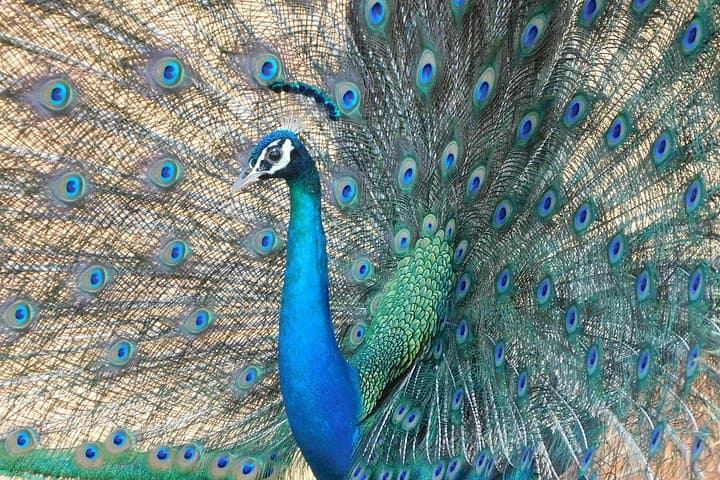
You step off the ship into humid air at Hambantota port and, within an hour, the landscape shifts: scrubby acacia, sun-baked earth and the low, patient roll of the Walawe reservoir. The safari jeep bumps along a packed dirt track and the bush opens—elephants graze like weathered boulders brought to life, birds punctuate the sky, and the heat seems to press the park’s silence into sharper focus.
Verified experiences and guided adventures in the surrounding area.
Operated by Leo safari tours Sri lanka · Udawalawe, Southern Province
You step off the ship into humid air at Hambantota port and, within an hour, the landscape shifts: scrubby acacia, sun-baked earth and the low, patient roll of the Walawe reservoir. The safari jeep bumps along a packed dirt track and the bush opens—elephants graze like weathered boulders brought to life, birds punctuate the sky, and the heat seems to press the park’s silence into sharper focus.
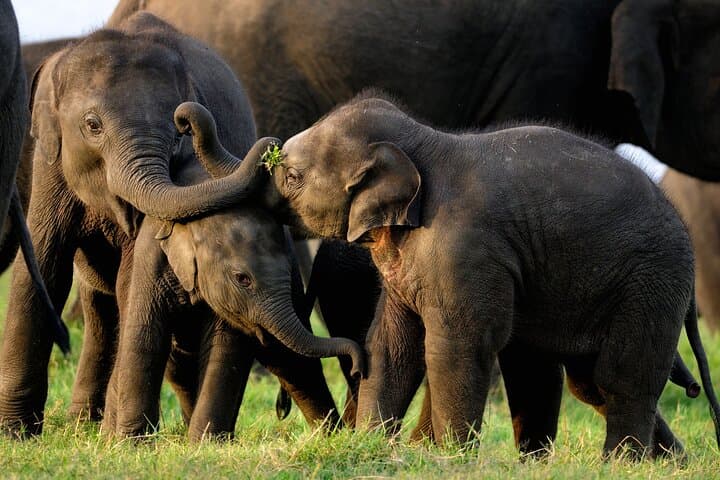
Udawalawe sits on Sri Lanka’s dry zone edge, carved by the Walawe River and dotted with rocky outcrops and seasonal tanks. The Elephant Transit Home, established in 1995 by the Department of Wildlife Conservation, rehabilitates orphaned calves for return to the wild and offers close-up learning during scheduled feedings. Local villages around the park feed a living culture of rice paddies, temple shrines and fishermen on the reservoir’s margins.
Practically: this is a half-day to full-day operation (most shared tours run about seven hours from port). Park entrance fees are paid at the gate; bring cash in local currency. Wildlife sightings aren’t guaranteed but Udawalawe’s open plains give strong odds for elephants, water buffalo and abundant waterbirds. Morning and late-afternoon drives offer cooler light and more movement; midday can be hot and languid. Wear breathable layers, sun protection and sturdy shoes for short exits from the vehicle. Binoculars and a zoom lens make the experience sharper, while respectful distance and quiet ensure animals stay wild. Drivers and local guides handle the logistics; you focus on watching—on the slow choreography of elephant herds, the river daring you to look closer.
moderate.
About 7 hours (total tour time from port).
Suitable for most fitness levels; expect short walks on uneven ground when exiting the vehicle
No—Udawalawe National Park entrance tickets must be purchased at the park gate in local currency; your operator can advise current rates.
Yes—this tour includes complimentary pick-up and drop-off from Hambantota port and many nearby hotels.
Sightings are common in Udawalawe due to its open habitat, but wildlife is not guaranteed; season and time of day affect chances.
Yes—infants must sit on an adult’s lap and infant seats can be provided; inform the operator of ages when booking.
Udawalawe National Park was created in 1972 around the Walawe Reservoir and the Elephant Transit Home opened in 1995 to rehabilitate orphaned calves for reintroduction.
Support park rules: stay on designated tracks, avoid feeding wildlife and use refillable water to reduce plastic; the Elephant Transit Home funds rehabilitation and release programs.
Leo safari tours Sri lanka operates guided outdoor trips and adventures with an emphasis on safety, stewardship, and memorable experiences.
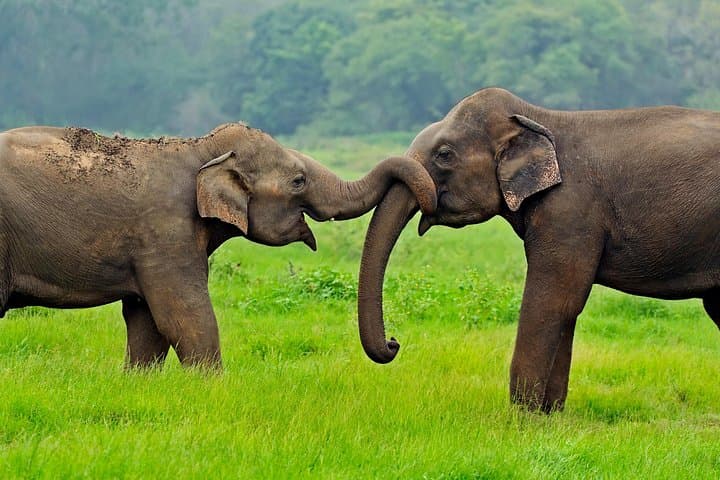
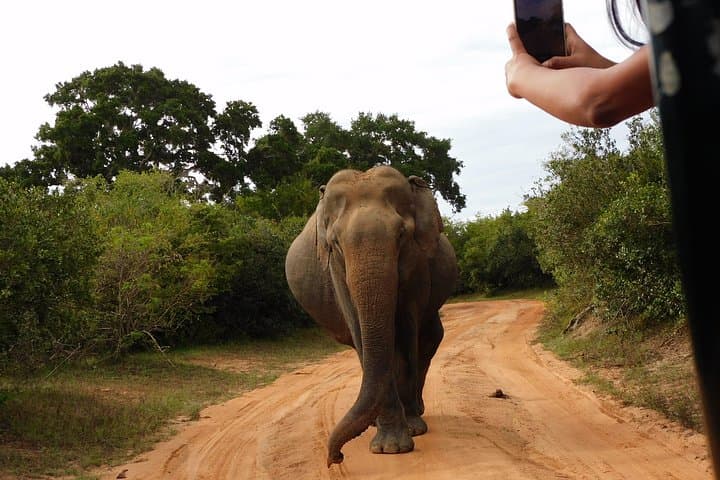
You step off the ship into humid air at Hambantota port and, within an hour, the landscape shifts: scrubby acacia, sun-baked earth and the low, patient roll of the Walawe reservoir. The safari jeep bumps along a packed dirt track and the bush opens—elephants graze like weathered boulders brought to life, birds punctuate the sky, and the heat seems to press the park’s silence into sharper focus.
You step off the ship into humid air at Hambantota port and, within an hour, the landscape shifts: scrubby acacia, sun-baked earth and the low, patient roll of the Walawe reservoir. The safari jeep bumps along a packed dirt track and the bush opens—elephants graze like weathered boulders brought to life, birds punctuate the sky, and the heat seems to press the park’s silence into sharper focus.
Udawalawe sits on Sri Lanka’s dry zone edge, carved by the Walawe River and dotted with rocky outcrops and seasonal tanks. The Elephant Transit Home, established in 1995 by the Department of Wildlife Conservation, rehabilitates orphaned calves for return to the wild and offers close-up learning during scheduled feedings. Local villages around the park feed a living culture of rice paddies, temple shrines and fishermen on the reservoir’s margins.
Practically: this is a half-day to full-day operation (most shared tours run about seven hours from port). Park entrance fees are paid at the gate; bring cash in local currency. Wildlife sightings aren’t guaranteed but Udawalawe’s open plains give strong odds for elephants, water buffalo and abundant waterbirds. Morning and late-afternoon drives offer cooler light and more movement; midday can be hot and languid. Wear breathable layers, sun protection and sturdy shoes for short exits from the vehicle. Binoculars and a zoom lens make the experience sharper, while respectful distance and quiet ensure animals stay wild. Drivers and local guides handle the logistics; you focus on watching—on the slow choreography of elephant herds, the river daring you to look closer.