THE ADVENTURE COLLECTIVE® · Independent discovery and booking for outdoor travel

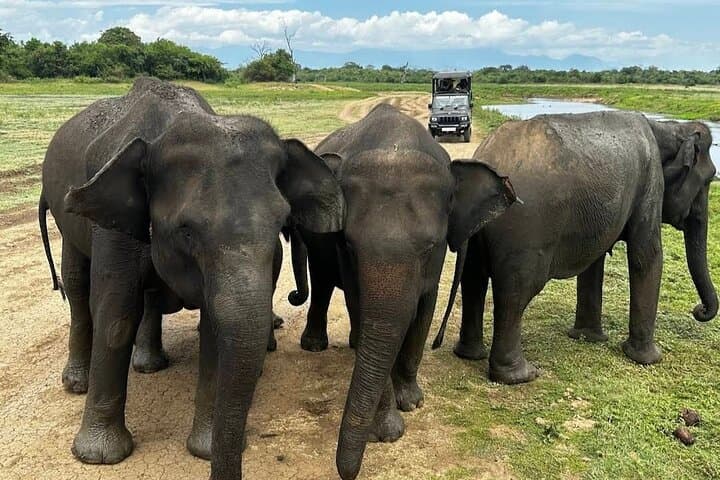
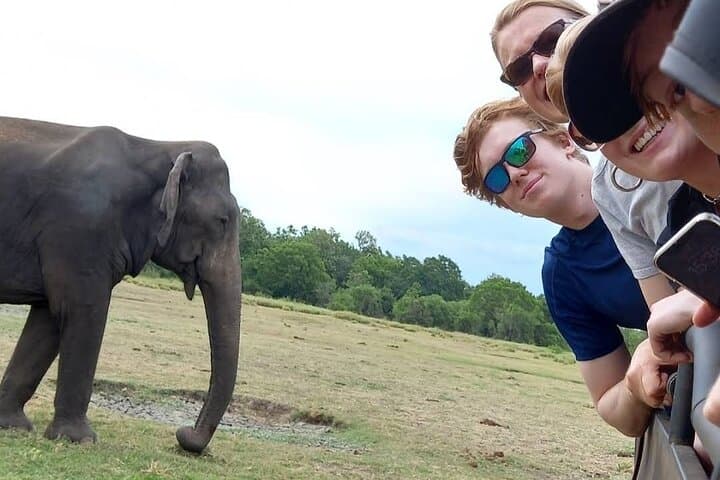
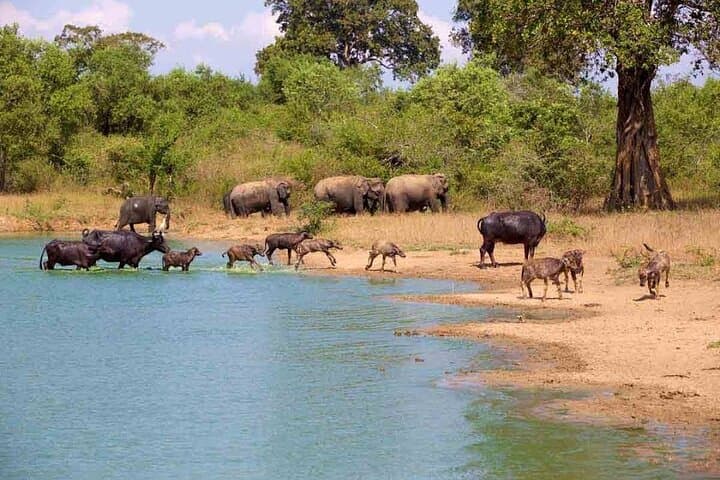
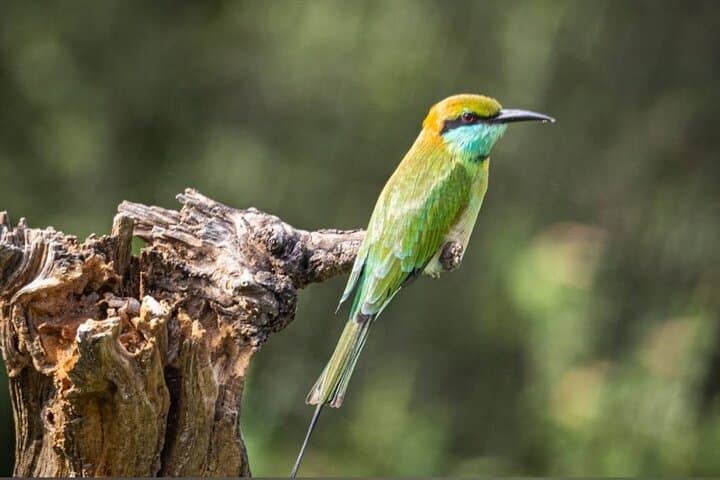
Drive into elephant country at Udawalawe National Park and watch herds move through open grasslands, riverine pools and low forest. This three-hour jeep safari offers close encounters with elephants, water buffalo, crocodiles and a rich birdlife — just remember park fees are paid at the gate.
Drive into elephant country at Udawalawe National Park and watch herds move through open grasslands, riverine pools and low forest. This three-hour jeep safari offers close encounters with elephants, water buffalo, crocodiles and a rich birdlife — just remember park fees are paid at the gate.
You roll up to the park gate as early light spills across flat grassland; a line of elephants moves like a slow tide through broken scrub and the jeep engine hums to a steady rhythm. Udawalawe’s wide plains and riverine pockets open one moment and close the next with stands of thorny bush and low forest that hide langurs and sambar deer.
Verified experiences and guided adventures in the surrounding area.
Operated by Pigeon Island Tours · Udawalawe, Sabaragamuwa Province
You roll up to the park gate as early light spills across flat grassland; a line of elephants moves like a slow tide through broken scrub and the jeep engine hums to a steady rhythm. Udawalawe’s wide plains and riverine pockets open one moment and close the next with stands of thorny bush and low forest that hide langurs and sambar deer.
Formed along ancient river systems and the southern dry-zone, Udawalawe sits on a mix of alluvial plains and rugged limestone outcrops. The park was created in 1972 to provide a habitat corridor for displaced wildlife after the Udawalawe Reservoir was built; today it’s best known for resident elephant herds but also supports water buffalo, crocodiles, and dozens of wetland and dry-forest birds.
Local communities around Embilipitiya and Ambalantota have long relied on rice, coconut and small-scale fishing; guides often share stories of seasonal elephant movements and traditional uses of native plants.
Practical guidance: the standard safari is a roughly three-hour jeep loop across variable, sometimes rutted tracks — expect brief, bumpy stretches and open-air viewing. Arrive early for cooler temperatures and better animal activity; pack sun protection, water, and a small zoom lens. Park entrance fees are separate from tour bookings and are paid at the gate; jeeps typically carry up to six passengers. Photography opportunities are strongest in the morning and late afternoon. Keep distance from wildlife, follow your guide’s instructions, and plan transfers in advance if you need hotel pickup. Udawalawe gives you a close, grounded wildlife experience — raw, direct, and reliably rewarding for nature-minded travelers.
easy.
3 hours.
Suitable for most fitness levels; you should be able to climb into a raised safari jeep and remain seated for several hours.
No — entrance fees are paid at the Udawalawe park gate and are not included in the tour price.
Yes — pickup can be arranged from nearby hotels for an additional charge if requested in advance.
Each jeep accommodates up to six passengers plus two toddlers under five; larger groups should book multiple jeeps.
Infants may sit on laps but the tour is not recommended for pregnant travelers or people with serious back or heart conditions due to bumpy tracks.
Udawalawe National Park was established in 1972 after the reservoir’s construction, intended to protect wildlife displaced by the dam and provide a grazing corridor for elephants.
The park plays a key role in elephant conservation and human-wildlife conflict mitigation; follow guide instructions to minimize disturbance and avoid contributing to feeding or harassment.
Pigeon Island Tours operates guided outdoor trips and adventures with an emphasis on safety, stewardship, and memorable experiences.
You roll up to the park gate as early light spills across flat grassland; a line of elephants moves like a slow tide through broken scrub and the jeep engine hums to a steady rhythm. Udawalawe’s wide plains and riverine pockets open one moment and close the next with stands of thorny bush and low forest that hide langurs and sambar deer.
You roll up to the park gate as early light spills across flat grassland; a line of elephants moves like a slow tide through broken scrub and the jeep engine hums to a steady rhythm. Udawalawe’s wide plains and riverine pockets open one moment and close the next with stands of thorny bush and low forest that hide langurs and sambar deer.
Formed along ancient river systems and the southern dry-zone, Udawalawe sits on a mix of alluvial plains and rugged limestone outcrops. The park was created in 1972 to provide a habitat corridor for displaced wildlife after the Udawalawe Reservoir was built; today it’s best known for resident elephant herds but also supports water buffalo, crocodiles, and dozens of wetland and dry-forest birds.
Local communities around Embilipitiya and Ambalantota have long relied on rice, coconut and small-scale fishing; guides often share stories of seasonal elephant movements and traditional uses of native plants.
Practical guidance: the standard safari is a roughly three-hour jeep loop across variable, sometimes rutted tracks — expect brief, bumpy stretches and open-air viewing. Arrive early for cooler temperatures and better animal activity; pack sun protection, water, and a small zoom lens. Park entrance fees are separate from tour bookings and are paid at the gate; jeeps typically carry up to six passengers. Photography opportunities are strongest in the morning and late afternoon. Keep distance from wildlife, follow your guide’s instructions, and plan transfers in advance if you need hotel pickup. Udawalawe gives you a close, grounded wildlife experience — raw, direct, and reliably rewarding for nature-minded travelers.