THE ADVENTURE COLLECTIVE® · Independent discovery and booking for outdoor travel

A private jeep safari in Udawalawe delivers up-close elephant encounters, crocodiles along the reservoir, and rich birdlife across open grasslands. This guide outlines what to expect on a 4–10 hour safari and how to prepare for the best wildlife viewing.
A private jeep safari in Udawalawe delivers up-close elephant encounters, crocodiles along the reservoir, and rich birdlife across open grasslands. This guide outlines what to expect on a 4–10 hour safari and how to prepare for the best wildlife viewing.
Dust rises as the jeep eases across ragged grasslands; a herd of elephants lifts their heads and the morning light catches the curve of tusks. Wind pushes through the reservoir reeds and the park seems to be watching back — patient, alert, alive.
Verified experiences and guided adventures in the surrounding area.
Operated by GrandTour (Pvt) Ltd · Udawalawe, Sabaragamuwa Province
Dust rises as the jeep eases across ragged grasslands; a herd of elephants lifts their heads and the morning light catches the curve of tusks. Wind pushes through the reservoir reeds and the park seems to be watching back — patient, alert, alive.
Udawalawe National Park was created in 1972 around the Udawalawe Reservoir to protect the catchment and the migratory routes of Sri Lanka’s wild elephants. Geologically, the park sits on low rolling plains cut by seasonal streams and backed by rocky outcrops; the open grasslands and patches of thorn scrub make wildlife easier to spot than in dense jungle parks to the north.
Culturally, the area is rural and agricultural; early mornings bring temple bells and fishermen tending nets on the reservoir’s edge. Local guides read animal behavior like weather: slow-moving herds, stalking crocodiles, and raptors circling thermal currents.
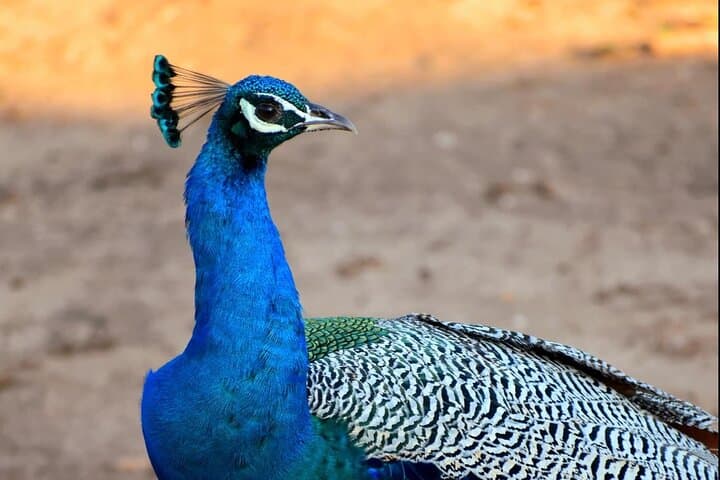
Practically, a private jeep safari gives flexibility — you can linger at a watering hole or push farther along game trails. Expect sightings of elephants (often in herds), water buffalo, sambar deer, freshwater crocodiles, and dozens of bird species from painted storks to the crimson-headed flameback.
Bring binoculars, a telephoto lens, sunscreen, and a lightweight jacket for pre-dawn starts. Safaris run 4–10 hours depending on your booking; mid-morning and late afternoon are most active for mammals. Respect safe distances: the jeep is your best vantage and protection. Hydrate, keep noise low, and let the landscape decide how close the animals will allow you to come.
moderate.
4–10 hours.
Suitable for most fitness levels; long days involve standing in the jeep and short walks at viewing points.
Private safaris range from about 4 hours for a focused visit to up to 10 hours for longer game drives and photography-focused outings.
Udawalawe has a high likelihood of elephant sightings, often in herds, but wildlife sightings can’t be guaranteed due to natural movement and seasonal patterns.
Yes—safaris are family-friendly and suitable for most ages, though those with cardiovascular issues should consult a doctor as noted by providers.
Pickups are typically arranged near the main gate or central meeting points in Udawalawe town; check your booking for exact pickup locations.
The park was established in 1972 to protect catchment lands after the Udawalawe Reservoir was created, and it has since become a prime site for elephant conservation and research.
Stick to marked tracks and avoid feeding wildlife; local conservation efforts focus on mitigating human-elephant conflict and protecting water resources.
GrandTour (Pvt) Ltd operates guided outdoor trips and adventures with an emphasis on safety, stewardship, and memorable experiences.
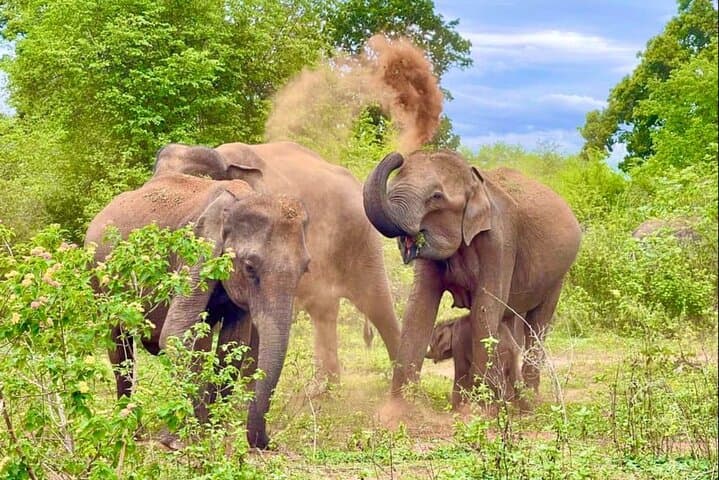
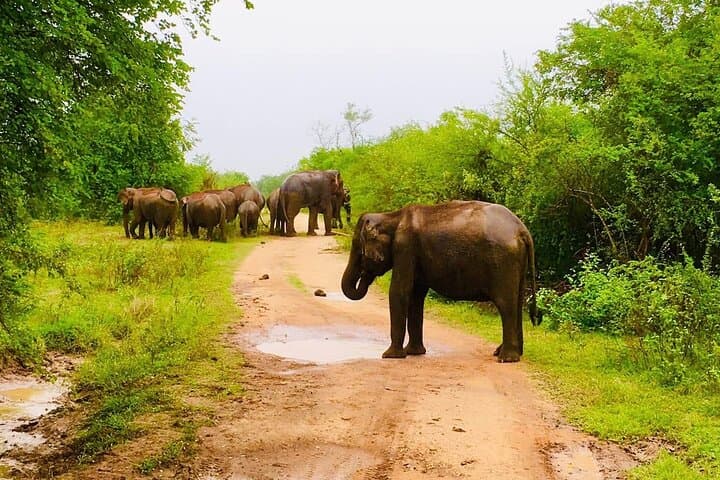
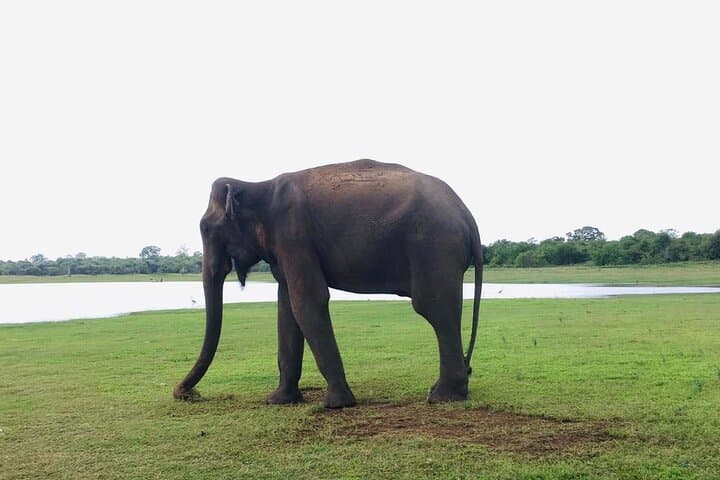
Dust rises as the jeep eases across ragged grasslands; a herd of elephants lifts their heads and the morning light catches the curve of tusks. Wind pushes through the reservoir reeds and the park seems to be watching back — patient, alert, alive.
Dust rises as the jeep eases across ragged grasslands; a herd of elephants lifts their heads and the morning light catches the curve of tusks. Wind pushes through the reservoir reeds and the park seems to be watching back — patient, alert, alive.
Udawalawe National Park was created in 1972 around the Udawalawe Reservoir to protect the catchment and the migratory routes of Sri Lanka’s wild elephants. Geologically, the park sits on low rolling plains cut by seasonal streams and backed by rocky outcrops; the open grasslands and patches of thorn scrub make wildlife easier to spot than in dense jungle parks to the north.
Culturally, the area is rural and agricultural; early mornings bring temple bells and fishermen tending nets on the reservoir’s edge. Local guides read animal behavior like weather: slow-moving herds, stalking crocodiles, and raptors circling thermal currents.
Practically, a private jeep safari gives flexibility — you can linger at a watering hole or push farther along game trails. Expect sightings of elephants (often in herds), water buffalo, sambar deer, freshwater crocodiles, and dozens of bird species from painted storks to the crimson-headed flameback.
Bring binoculars, a telephoto lens, sunscreen, and a lightweight jacket for pre-dawn starts. Safaris run 4–10 hours depending on your booking; mid-morning and late afternoon are most active for mammals. Respect safe distances: the jeep is your best vantage and protection. Hydrate, keep noise low, and let the landscape decide how close the animals will allow you to come.