THE ADVENTURE COLLECTIVE® · Independent discovery and booking for outdoor travel

A private 4x4 safari through Udawalawe National Park paired with half-board accommodation delivers focused elephant viewing, varied birdlife, and lowland river landscapes. This guide explains what to expect, when to go, and how to prepare for a four-hour wildlife drive.
A private 4x4 safari through Udawalawe National Park paired with half-board accommodation delivers focused elephant viewing, varied birdlife, and lowland river landscapes. This guide explains what to expect, when to go, and how to prepare for a four-hour wildlife drive.
The jeep eases onto red dust and tall grass leans in as if listening — the reservoir’s flat mirror flashes sun while troops of elephants move with deliberate, unconcerned rhythm. Morning in Udawalawe is a study in patience: dawn light on the Walawe River, birds claiming the air, and the low, purposeful shuffle of bulls and cows through riparian scrub.
Verified experiences and guided adventures in the surrounding area.
Operated by SL Safari Service · Udawalawe, Sabaragamuwa Province
The jeep eases onto red dust and tall grass leans in as if listening — the reservoir’s flat mirror flashes sun while troops of elephants move with deliberate, unconcerned rhythm. Morning in Udawalawe is a study in patience: dawn light on the Walawe River, birds claiming the air, and the low, purposeful shuffle of bulls and cows through riparian scrub.
Created after the Udawalawe Reservoir flooded old grazing lands in the 1960s, the park was set aside to protect displaced wildlife and the reservoir catchment. Geologically the area is rolling lowland carved by seasonal rivers and dotted with rocky outcrops; soils range from sandy river terraces to richer alluvium where grass grows tall. Culturally, the landscape sits between rural Sinhala villages and small towns where paddy fields meet scrub forest — local guides often balance traditional land knowledge with modern conservation rules.
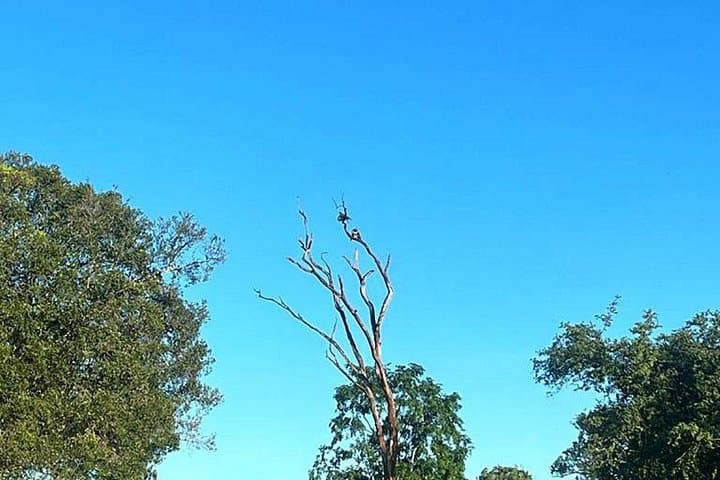
On a private 4x4 safari you’ll cover short distances repeatedly, tracking elephants, water buffalo, langurs and a dense birdlist; leopards are present but elusive. Wildlife sightings cluster near water and early morning or late afternoon drives increase chances.
Practical notes: booking often includes hotel pickup in the Udawalawe area but you buy park entry on arrival unless included. Carry binoculars, sun protection and cash for park fees and tips. Travel light — the jeep is open and dust-prone — and plan for changing light and temperature across the four-hour window. Respect viewing distances: keep noise low, stay in the vehicle, and let animals move on their terms. With basic preparation, a private safari and half-board stay here deliver close, responsible wildlife viewing and a compact introduction to Sri Lanka’s dry lowland ecosystems.
easy.
4 hours.
Suitable for most fitness levels; mostly sitting in a 4x4 with short exits for photos or restroom breaks
Often yes — some packages include tickets but many require you to buy entrance at the park gate; confirm with your operator before departure.
Very likely — Udawalawe is one of Sri Lanka’s best parks for elephant sightings, with regular herds near water; sightings of leopards are much rarer.
Yes — the activity is described as physically easy; infants usually must sit on laps and operators can advise on child safety in open jeeps.
Most local guides speak English and Sinhala; private drivers often provide informal guiding but certified naturalist guides may be available for better wildlife interpretation.
Udawalawe National Park was designated in the 1970s to protect wildlife displaced by the creation of the Udawalawe Reservoir on the Walawe River.
The park balances tourism and conservation through regulated jeep numbers, designated routes, and community programs that support nearby villages and reduce human-wildlife conflict.
SL Safari Service operates guided outdoor trips and adventures with an emphasis on safety, stewardship, and memorable experiences.
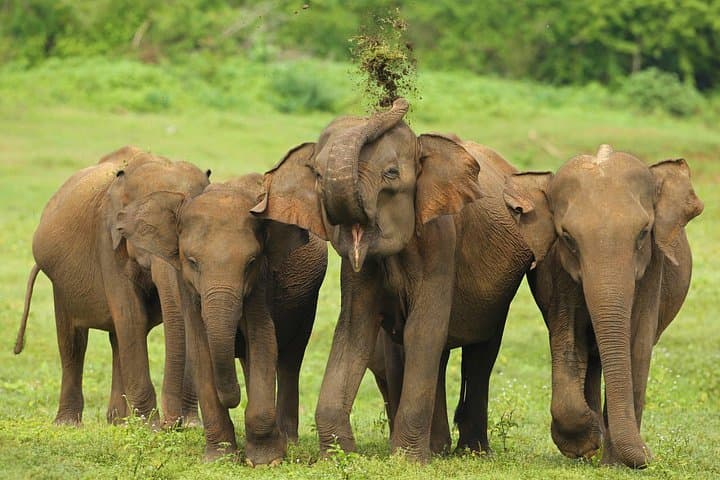
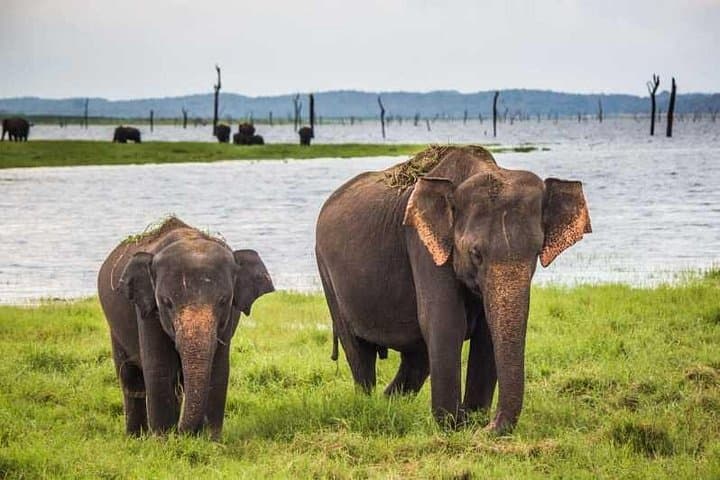
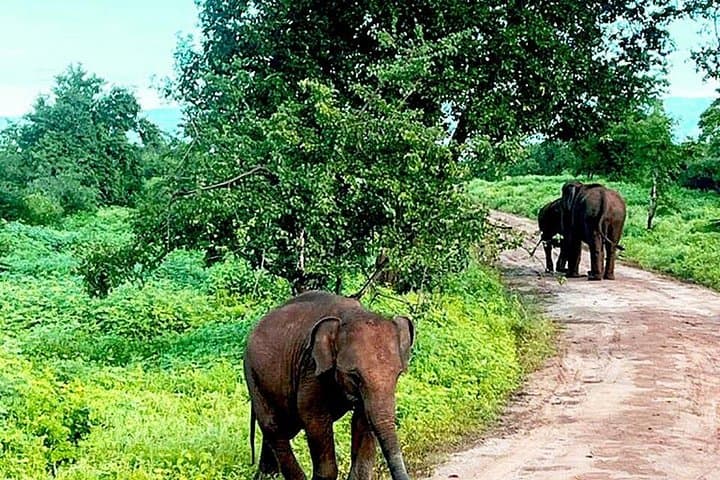
The jeep eases onto red dust and tall grass leans in as if listening — the reservoir’s flat mirror flashes sun while troops of elephants move with deliberate, unconcerned rhythm. Morning in Udawalawe is a study in patience: dawn light on the Walawe River, birds claiming the air, and the low, purposeful shuffle of bulls and cows through riparian scrub.
The jeep eases onto red dust and tall grass leans in as if listening — the reservoir’s flat mirror flashes sun while troops of elephants move with deliberate, unconcerned rhythm. Morning in Udawalawe is a study in patience: dawn light on the Walawe River, birds claiming the air, and the low, purposeful shuffle of bulls and cows through riparian scrub.
Created after the Udawalawe Reservoir flooded old grazing lands in the 1960s, the park was set aside to protect displaced wildlife and the reservoir catchment. Geologically the area is rolling lowland carved by seasonal rivers and dotted with rocky outcrops; soils range from sandy river terraces to richer alluvium where grass grows tall. Culturally, the landscape sits between rural Sinhala villages and small towns where paddy fields meet scrub forest — local guides often balance traditional land knowledge with modern conservation rules.
On a private 4x4 safari you’ll cover short distances repeatedly, tracking elephants, water buffalo, langurs and a dense birdlist; leopards are present but elusive. Wildlife sightings cluster near water and early morning or late afternoon drives increase chances.
Practical notes: booking often includes hotel pickup in the Udawalawe area but you buy park entry on arrival unless included. Carry binoculars, sun protection and cash for park fees and tips. Travel light — the jeep is open and dust-prone — and plan for changing light and temperature across the four-hour window. Respect viewing distances: keep noise low, stay in the vehicle, and let animals move on their terms. With basic preparation, a private safari and half-board stay here deliver close, responsible wildlife viewing and a compact introduction to Sri Lanka’s dry lowland ecosystems.