THE ADVENTURE COLLECTIVE® · Independent discovery and booking for outdoor travel

Drive from Hambantota to Udawalawe for a half- or full-day safari where resident elephant herds and abundant waterbirds gather at the reservoir. Morning departures maximize sightings; transfers require 1–1.5 hours each way from the cruise port.
Drive from Hambantota to Udawalawe for a half- or full-day safari where resident elephant herds and abundant waterbirds gather at the reservoir. Morning departures maximize sightings; transfers require 1–1.5 hours each way from the cruise port.
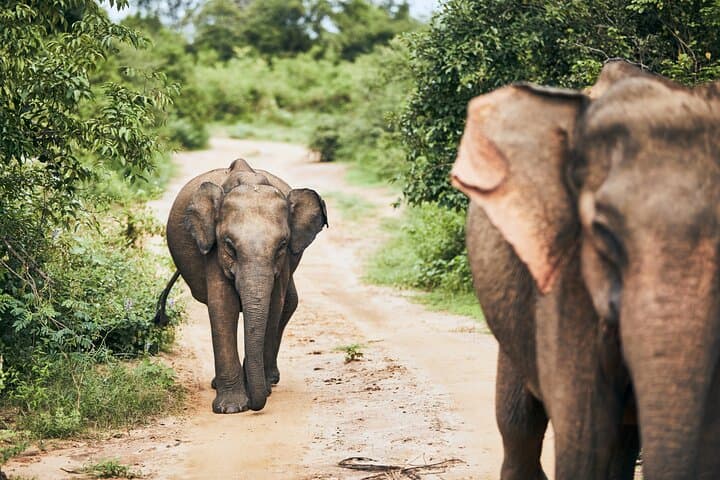
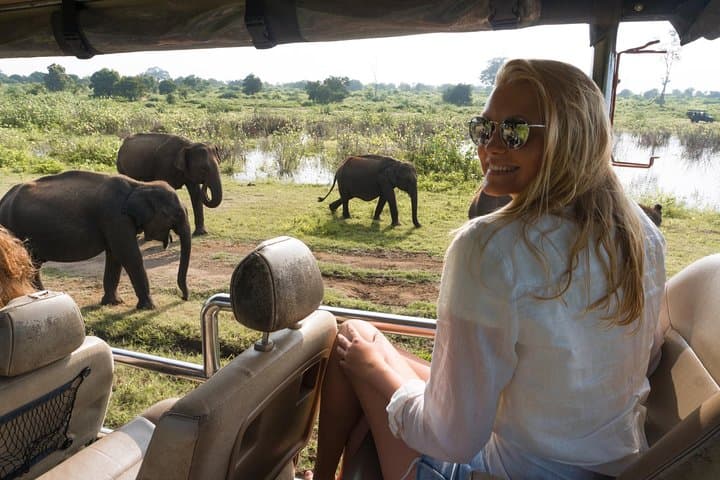
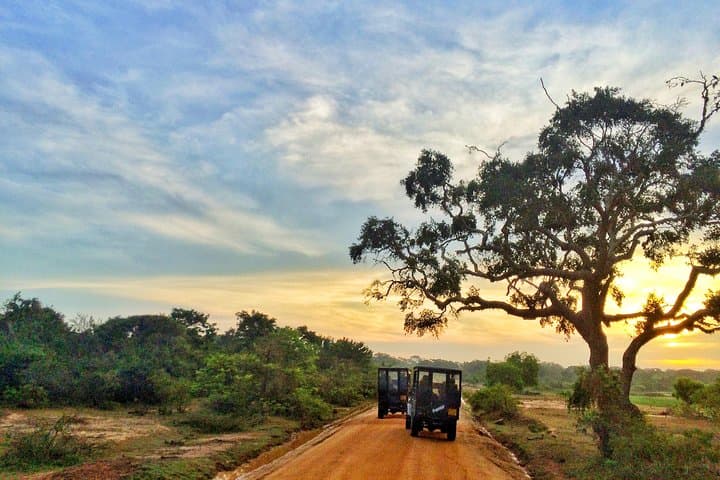
A low-slung jeep rumbles off the highway and the scrub opens into broad grasslands where elephant silhouettes stand like slow-moving islands. Morning light slants across the Udawalawe plains, dust lifting around trunks and tusks as the herd moves toward the reservoir. On a cruise-day pickup from Hambantota, the road gives way to this patient rhythm: engines quiet, binoculars raised, and the watcher taking stock of the scene.
Verified experiences and guided adventures in the surrounding area.
Operated by Ajith Diamond Tours · Udawalawe, Southern Province
A low-slung jeep rumbles off the highway and the scrub opens into broad grasslands where elephant silhouettes stand like slow-moving islands. Morning light slants across the Udawalawe plains, dust lifting around trunks and tusks as the herd moves toward the reservoir. On a cruise-day pickup from Hambantota, the road gives way to this patient rhythm: engines quiet, binoculars raised, and the watcher taking stock of the scene.
Udawalawe was set aside to protect elephants displaced by the reservoir that reshaped this landscape; the park now supports a resident population often reported at around 250 animals and attracts seasonal migrants. Geologically it’s a flat undulating plain carved by ancient rivers and the modern Udawalawe reservoir; soil and scrub create ideal foraging for pachyderms and abundant shorelines for waterbirds.
Culturally, local villages still practice rice cultivation and fishing along the reservoir, and the nearby Elephant Transit Home rehabilitates calves for release — a practical link between tourism and conservation.
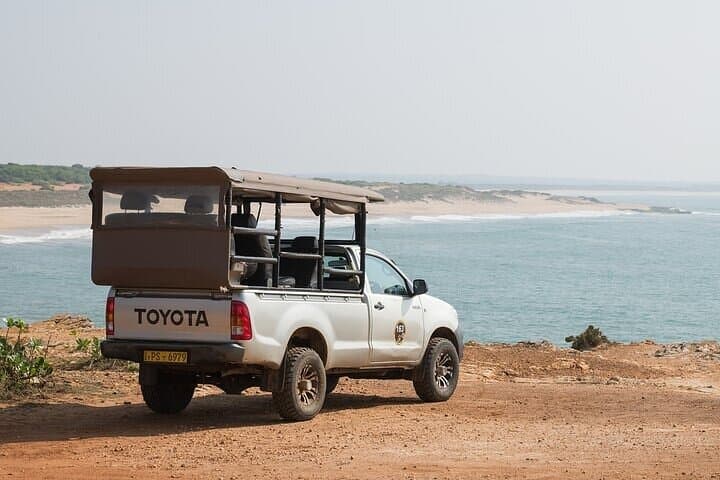
Practical guidance: safaris run as half- or full-day drives (4–14 hours total including transfer). Morning drives offer cooler temperatures and sharper bird activity; late afternoon can concentrate elephants around water. Vehicles are open-sided—expect dust and sun—so bring a hat, long sleeves, and a camera with a telephoto lens. Follow ranger instructions: stay seated, keep distance, and avoid sudden noises. If you’re coming from a Hambantota cruise ship, allow 1–1.5 hours for transfer each way and plan shore time around the safari window. With basic planning, Udawalawe delivers high-probability elephant encounters and a hands-on look at Sri Lanka’s dry-zone wildlife.
easy.
4–14 hours (including transfers).
Suitable for most travelers; minimal walking required but must be able to get in/out of a safari jeep
Expect roughly 1–1.5 hours each way depending on traffic; operators typically schedule pickups to allow comfortable safari time in the park.
Udawalawe has a high probability of elephant sightings—there’s a resident population—but sightings can never be guaranteed; multiple sightings per drive are common in dry months.
Yes—safaris are vehicle-based and suitable for all fitness levels, but note restrictions for travelers with spinal issues, heart conditions, or pregnancy; check with the operator before booking.
Yes, the Elephant Transit Home is near the park entrance and can be included if timing allows; confirm with your guide so both sites are scheduled without rushing.
Udawalawe National Park was established to protect elephants displaced by the construction of the Udawalawe reservoir and has since become a core dry-zone wildlife reserve.
The park balances tourism and protection through regulated jeep routes and the nearby Elephant Transit Home; visitors should avoid feeding or approaching wildlife and follow ranger guidance.
Ajith Diamond Tours operates guided outdoor trips and adventures with an emphasis on safety, stewardship, and memorable experiences.
A low-slung jeep rumbles off the highway and the scrub opens into broad grasslands where elephant silhouettes stand like slow-moving islands. Morning light slants across the Udawalawe plains, dust lifting around trunks and tusks as the herd moves toward the reservoir. On a cruise-day pickup from Hambantota, the road gives way to this patient rhythm: engines quiet, binoculars raised, and the watcher taking stock of the scene.
A low-slung jeep rumbles off the highway and the scrub opens into broad grasslands where elephant silhouettes stand like slow-moving islands. Morning light slants across the Udawalawe plains, dust lifting around trunks and tusks as the herd moves toward the reservoir. On a cruise-day pickup from Hambantota, the road gives way to this patient rhythm: engines quiet, binoculars raised, and the watcher taking stock of the scene.
Udawalawe was set aside to protect elephants displaced by the reservoir that reshaped this landscape; the park now supports a resident population often reported at around 250 animals and attracts seasonal migrants. Geologically it’s a flat undulating plain carved by ancient rivers and the modern Udawalawe reservoir; soil and scrub create ideal foraging for pachyderms and abundant shorelines for waterbirds.
Culturally, local villages still practice rice cultivation and fishing along the reservoir, and the nearby Elephant Transit Home rehabilitates calves for release — a practical link between tourism and conservation.
Practical guidance: safaris run as half- or full-day drives (4–14 hours total including transfer). Morning drives offer cooler temperatures and sharper bird activity; late afternoon can concentrate elephants around water. Vehicles are open-sided—expect dust and sun—so bring a hat, long sleeves, and a camera with a telephoto lens. Follow ranger instructions: stay seated, keep distance, and avoid sudden noises. If you’re coming from a Hambantota cruise ship, allow 1–1.5 hours for transfer each way and plan shore time around the safari window. With basic planning, Udawalawe delivers high-probability elephant encounters and a hands-on look at Sri Lanka’s dry-zone wildlife.