THE ADVENTURE COLLECTIVE® · Independent discovery and booking for outdoor travel

A private jeep pulls into Udawalawe’s open plains where elephants roam and the Elephant Transit Home cares for rescued calves. This full-day tour from Beruwala mixes wildlife viewing with local insights at a moonstone mine and rehabilitation center.
A private jeep pulls into Udawalawe’s open plains where elephants roam and the Elephant Transit Home cares for rescued calves. This full-day tour from Beruwala mixes wildlife viewing with local insights at a moonstone mine and rehabilitation center.
The jeep rolls off the paved road and into a sun-baked plain where the grass stands like a low, golden tide. Birds flare from thorny scrub and a lone water buffalo watches you pass with slow, indifferent eyes; the air smells of dust and wet earth where the river has carved pools. This is Udawalawe National Park — raw, open, and focused on wildlife viewing.
Verified experiences and guided adventures in the surrounding area.
Operated by VTS Lanka Tours · Udawalawe, Southern Province
The jeep rolls off the paved road and into a sun-baked plain where the grass stands like a low, golden tide. Birds flare from thorny scrub and a lone water buffalo watches you pass with slow, indifferent eyes; the air smells of dust and wet earth where the river has carved pools. This is Udawalawe National Park — raw, open, and focused on wildlife viewing.
Formed in the 1970s around the Udawalawe Reservoir and carved from scrub and secondary forest, the park protects dry-zone ecosystems and a high density of Asian elephants. Cultural layers sit nearby: tea and gem mining historically shaped local towns, and the Moonstone mines at Ambalangoda recall the region’s extractive past. Udawalawe’s Elephant Transit Home rehabilitates orphaned calves; watching milk feeds connects visitors to contemporary conservation work.
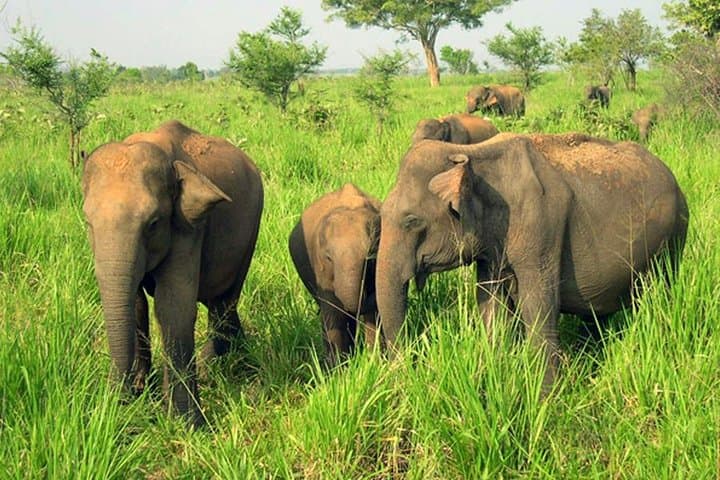
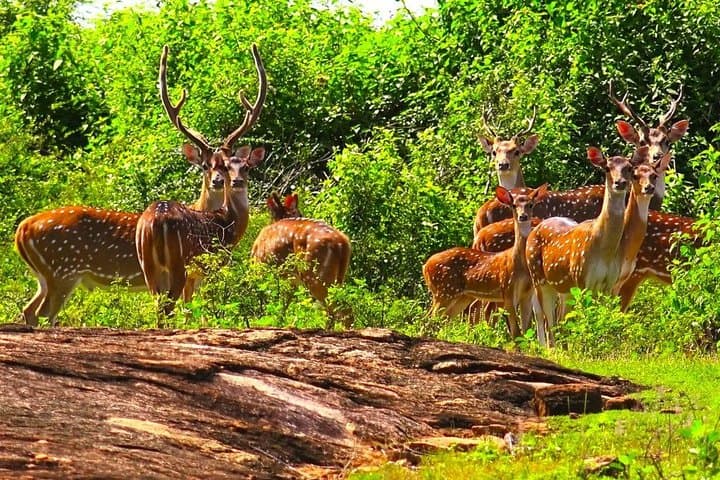
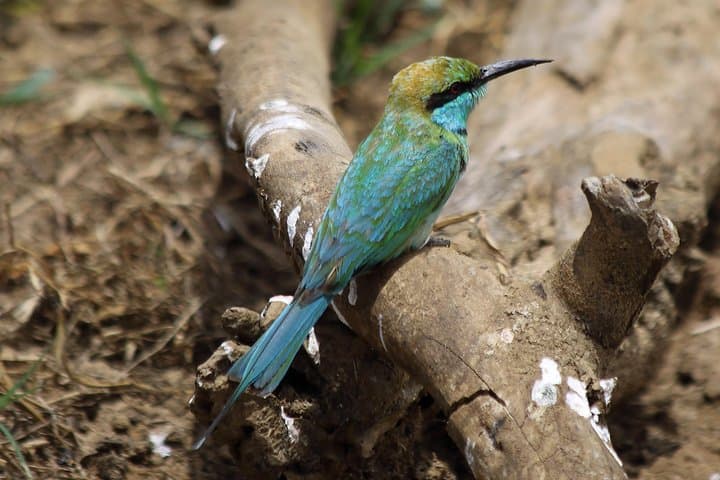
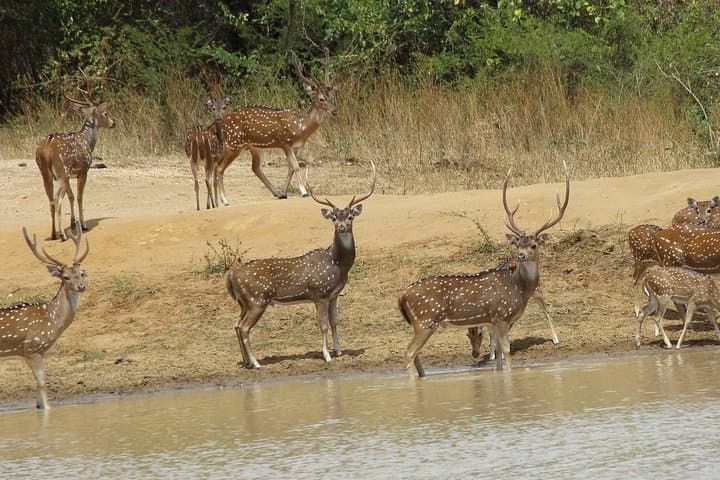
Expect 4-hour jeep safaris across flat terrain dotted with rocky outcrops and seasonal marshes. Game drives favor sightings of elephants, sambar deer, water buffalo and a profusion of birds — the landscape encourages patient, slow-paced observation rather than strenuous activity.
Practical guidance: book a private jeep from Beruwala or Bentota early to avoid midday heat; mornings and late afternoons deliver the best light and animal activity. Bring binoculars, sun protection, and insect repellent. Keep camera gear ready and respect distance rules — vehicles are the safest way to experience large mammals. Travel light, stay hydrated, and leave no trace: the park’s wildlife depends on careful visitation and continued support for local conservation programs.
easy.
8–12 hours (door-to-door, includes transport).
Suitable for most fitness levels; activity is vehicle-based with short walking segments
The jeep safari within Udawalawe is typically about 4 hours, though the full door-to-door tour from Beruwala can run 8–12 hours depending on travel time.
Udawalawe has a high elephant density and sightings are common on morning and late-afternoon drives, but wild animals cannot be guaranteed.
Yes — infants may need to sit on laps and specialized infant seats may be available; check with the operator when booking.
This private tour includes entrance tickets and Elephant Transit Home admission as listed; confirm details on booking.
Udawalawe was designated in the 1970s to protect dry-zone habitat and the area’s reservoir reshaped local hydrology and settlements.
The Elephant Transit Home operates rehabilitation and release programs; responsible tourism and vehicle guidelines help reduce disturbance to resident wildlife.
VTS Lanka Tours operates guided outdoor trips and adventures with an emphasis on safety, stewardship, and memorable experiences.
The jeep rolls off the paved road and into a sun-baked plain where the grass stands like a low, golden tide. Birds flare from thorny scrub and a lone water buffalo watches you pass with slow, indifferent eyes; the air smells of dust and wet earth where the river has carved pools. This is Udawalawe National Park — raw, open, and focused on wildlife viewing.
The jeep rolls off the paved road and into a sun-baked plain where the grass stands like a low, golden tide. Birds flare from thorny scrub and a lone water buffalo watches you pass with slow, indifferent eyes; the air smells of dust and wet earth where the river has carved pools. This is Udawalawe National Park — raw, open, and focused on wildlife viewing.
Formed in the 1970s around the Udawalawe Reservoir and carved from scrub and secondary forest, the park protects dry-zone ecosystems and a high density of Asian elephants. Cultural layers sit nearby: tea and gem mining historically shaped local towns, and the Moonstone mines at Ambalangoda recall the region’s extractive past. Udawalawe’s Elephant Transit Home rehabilitates orphaned calves; watching milk feeds connects visitors to contemporary conservation work.
Expect 4-hour jeep safaris across flat terrain dotted with rocky outcrops and seasonal marshes. Game drives favor sightings of elephants, sambar deer, water buffalo and a profusion of birds — the landscape encourages patient, slow-paced observation rather than strenuous activity.
Practical guidance: book a private jeep from Beruwala or Bentota early to avoid midday heat; mornings and late afternoons deliver the best light and animal activity. Bring binoculars, sun protection, and insect repellent. Keep camera gear ready and respect distance rules — vehicles are the safest way to experience large mammals. Travel light, stay hydrated, and leave no trace: the park’s wildlife depends on careful visitation and continued support for local conservation programs.