THE ADVENTURE COLLECTIVE® · Independent discovery and booking for outdoor travel

Drive from the southern coast into the open plains of Udawalawe for a half‑day jeep safari focused on elephants and waterhole wildlife. This transfer plus three‑hour game drive balances accessibility with high chances of close animal encounters.
Drive from the southern coast into the open plains of Udawalawe for a half‑day jeep safari focused on elephants and waterhole wildlife. This transfer plus three‑hour game drive balances accessibility with high chances of close animal encounters.
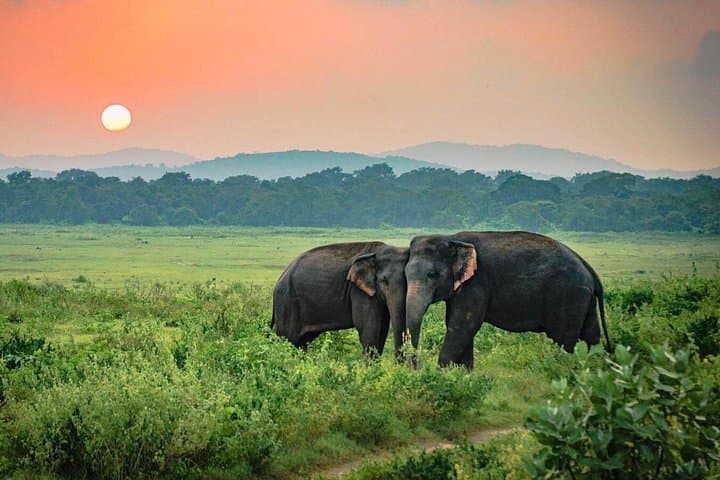
A low-slung jeep sloshes across red soil as the morning sun pries open the tall grasses—Udawalawe lays its plains out like a challenge. The Walawe River threads the park, daring elephants and waterbirds alike into shallow reaches while koppies (rocky outcrops) punctuate the horizon and acacia stands throw quick shade.
Verified experiences and guided adventures in the surrounding area.
Operated by Lakpura LLC · Udawalawe, Sabaragamuwa Province
A low-slung jeep sloshes across red soil as the morning sun pries open the tall grasses—Udawalawe lays its plains out like a challenge. The Walawe River threads the park, daring elephants and waterbirds alike into shallow reaches while koppies (rocky outcrops) punctuate the horizon and acacia stands throw quick shade.
Officially established in 1972 to protect elephant habitat after the Udawalawe Reservoir altered local migration, the park spans roughly 300 km² of grassland, scrub and marsh fed by tributaries from the central highlands. Geologically the surface is a mix of metamorphic bedrock and alluvial deposits, which creates pockets of marsh that concentrate wildlife. Local culture around the park is rural Sinhala—villages keep traditional paddy fields and villagers often work as guides or trackers.
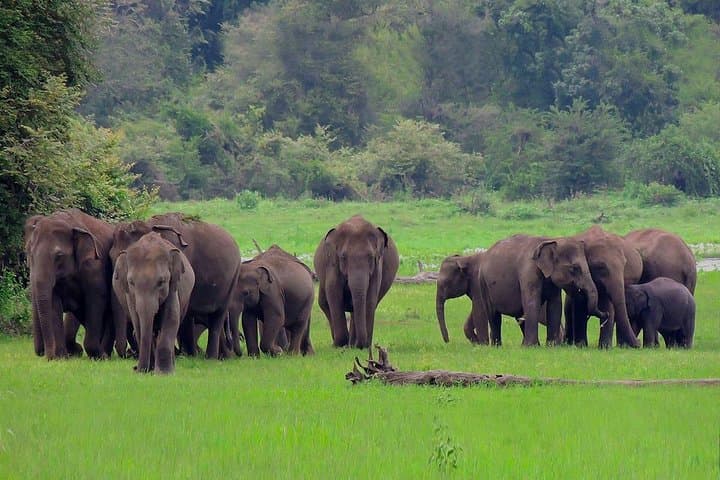
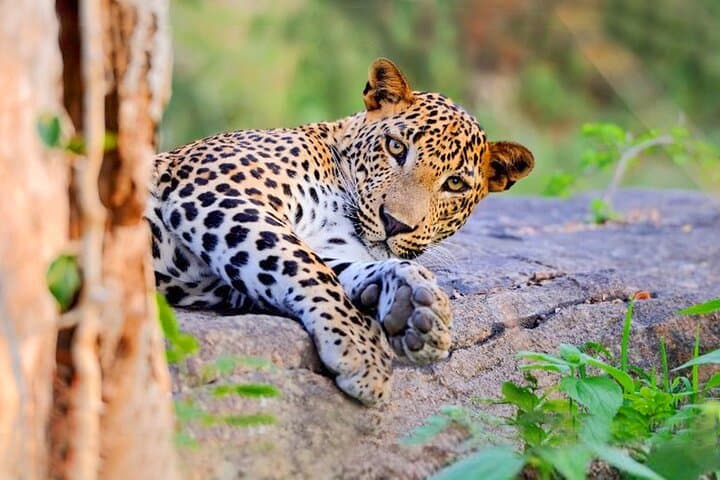
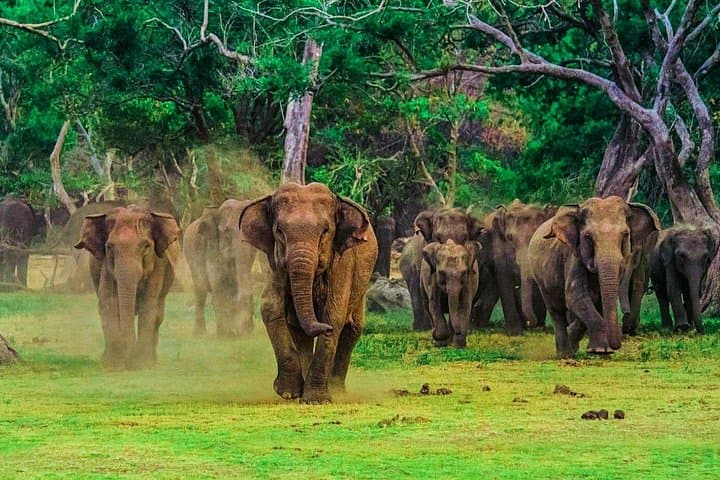
Practically, this tour from Ahungalla is a transfer plus a 3‑hour jeep safari designed to maximize sightings of Asian elephants, water buffalo, spotted deer, and an array of birds. Expect wide-open views, dusty tracks and the occasional sudden standstill when game appears.
Plan for strong sun, early starts and bumpy roads; guides read tracks and use waterholes to find animals. Bring a long lens, neutral clothing and patience—wildlife is never guaranteed but the park’s layout and reliable water sources make sightings likely. If you want to skip crowds, request a morning slot and ask your tracker about quieter access roads. The trip balances approachable logistics with raw, open-country game viewing—good for photographers and anyone who wants face‑time with Sri Lanka’s elephants.
moderate.
8–9 hours (door-to-door, includes transfers).
Moderate fitness: short periods standing in jeep and some walking at rest stops; able to handle bumpy vehicle rides.
The jeep safari portion is approximately three hours; total tour time from Ahungalla, including transfers, runs about 8–9 hours.
Udawalawe has one of Sri Lanka’s densest elephant populations and sightings are common, but wildlife is never guaranteed—timing and water access influence encounters.
Jeep safaris are family-friendly, but the operator advises against travel for pregnant visitors or those with serious back or heart conditions due to bumpy roads.
Entrance fees are included only when you select the "Transport with Tickets" option; confirm at booking and keep your receipt for park officials.
Udawalawe National Park was designated in 1972 after the reservoir altered elephant ranges; it was created to provide a protected dry‑zone habitat for displaced herds.
The park balances tourism with habitat protection; visitors should avoid feeding animals, stay in vehicles, and follow guide instructions to reduce disturbance to wildlife.
Lakpura LLC operates guided outdoor trips and adventures with an emphasis on safety, stewardship, and memorable experiences.
A low-slung jeep sloshes across red soil as the morning sun pries open the tall grasses—Udawalawe lays its plains out like a challenge. The Walawe River threads the park, daring elephants and waterbirds alike into shallow reaches while koppies (rocky outcrops) punctuate the horizon and acacia stands throw quick shade.
A low-slung jeep sloshes across red soil as the morning sun pries open the tall grasses—Udawalawe lays its plains out like a challenge. The Walawe River threads the park, daring elephants and waterbirds alike into shallow reaches while koppies (rocky outcrops) punctuate the horizon and acacia stands throw quick shade.
Officially established in 1972 to protect elephant habitat after the Udawalawe Reservoir altered local migration, the park spans roughly 300 km² of grassland, scrub and marsh fed by tributaries from the central highlands. Geologically the surface is a mix of metamorphic bedrock and alluvial deposits, which creates pockets of marsh that concentrate wildlife. Local culture around the park is rural Sinhala—villages keep traditional paddy fields and villagers often work as guides or trackers.
Practically, this tour from Ahungalla is a transfer plus a 3‑hour jeep safari designed to maximize sightings of Asian elephants, water buffalo, spotted deer, and an array of birds. Expect wide-open views, dusty tracks and the occasional sudden standstill when game appears.
Plan for strong sun, early starts and bumpy roads; guides read tracks and use waterholes to find animals. Bring a long lens, neutral clothing and patience—wildlife is never guaranteed but the park’s layout and reliable water sources make sightings likely. If you want to skip crowds, request a morning slot and ask your tracker about quieter access roads. The trip balances approachable logistics with raw, open-country game viewing—good for photographers and anyone who wants face‑time with Sri Lanka’s elephants.