THE ADVENTURE COLLECTIVE® · Independent discovery and booking for outdoor travel

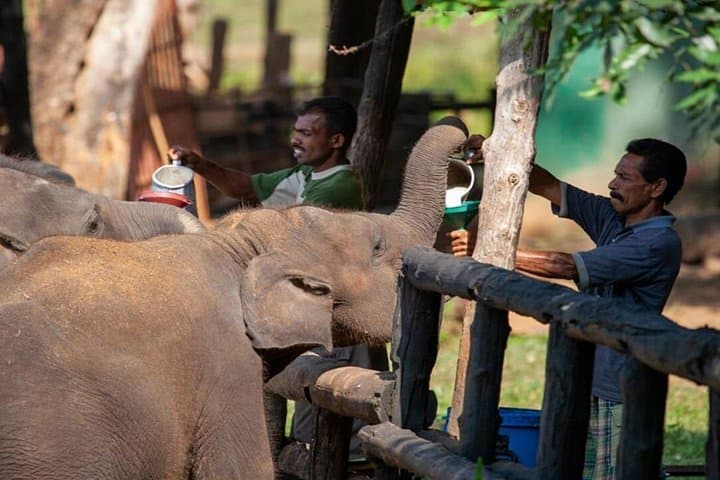
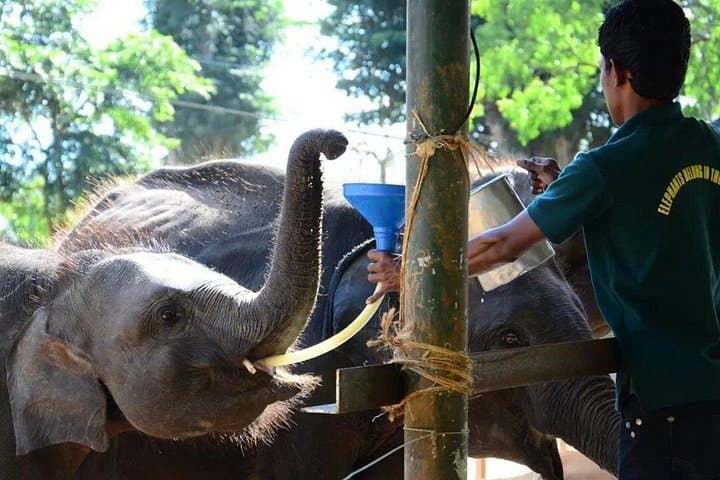
Half-day 4x4 safaris in Udawalawe deliver consistently strong elephant sightings and a visit to the Elephant Transit Home to watch orphaned calves at feeding time. Ideal for travelers wanting high-impact wildlife viewing without a long drive.
Half-day 4x4 safaris in Udawalawe deliver consistently strong elephant sightings and a visit to the Elephant Transit Home to watch orphaned calves at feeding time. Ideal for travelers wanting high-impact wildlife viewing without a long drive.
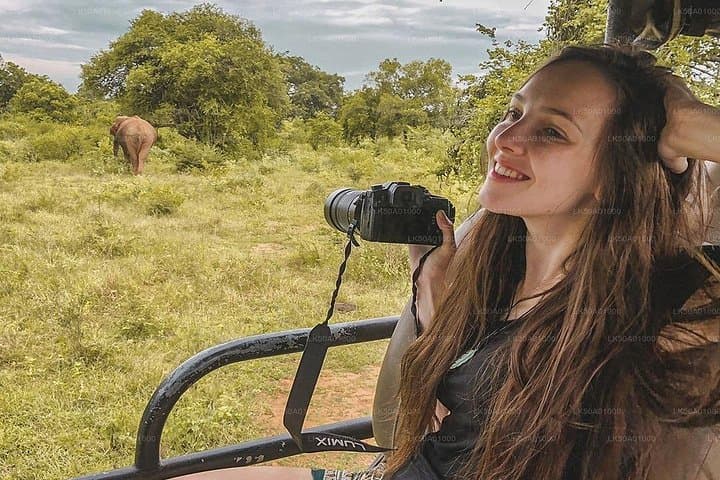
The jeep bumps over dry red soil as early light spreads across the reservoir; palms lean and the scrub stirs — you feel the park sizing you up before the animals reveal themselves.
Verified experiences and guided adventures in the surrounding area.
Operated by Lakpura LLC · Udawalawe, Sabaragamuwa Province
The jeep bumps over dry red soil as early light spreads across the reservoir; palms lean and the scrub stirs — you feel the park sizing you up before the animals reveal themselves.
Udawalawe National Park protects open plains and scrub forest carved from ancient river terraces and seasonal marshes. Established in 1972 to conserve elephants displaced by the nearby reservoir, the park now supports roughly 500 wild Asian elephants that move between waterholes and feeding grounds in predictable patterns. The nearby Elephant Transit Home began in 1995 to rehabilitate orphaned calves before returning them to the park.
Geologically the landscape is low country with lateritic soils and scattered granite outcrops; hydrology centers on the Udawalawe Reservoir, which draws animals year-round. Culturally, villages around the park are agricultural, with rice paddies and chena cultivation framing the gateway experience — local guides often point out how seasonal farming rhythms influence wildlife movements.
Practical guidance: choose an early departure for active herds and cool air, or an afternoon run for dramatic light. Wear neutral-colored clothing, bring binoculars and a sun hat, and respect the guide’s instructions — vehicles keep a safe distance and feeding platforms at the transit home are the only places to observe calves. Expect bumpy roads, open 4x4 seating, and 3–4 hours on a standard half-day safari. Hydrate before you go; a single bottled water is usually provided, but carry extras if you get thirsty.
This itinerary is low-impact and family-friendly when participants follow park rules, offering reliable elephant sightings and a close-to-nature half-day that feels both elemental and easily accessible.
easy.
4 hours.
Suitable for most fitness levels; involves short periods standing in the jeep and light walking at the Transit Home viewing platform.
The full experience is about four hours: roughly three hours driving in the park and a 20–30 minute stop at the Elephant Transit Home during feeding windows.
No — interaction is restricted; visitors observe calves from a viewing platform while staff handle feeding and care for rehabilitation.
Early morning offers active herds and cooler temperatures; late afternoon gives softer light and good photographic opportunities at sunset.
Generally yes for children, but pregnant travelers or anyone with serious spinal or heart conditions should consult their physician and follow provider restrictions due to bumpy jeep rides.
The park was set aside in 1972 after construction of the Udawalawe Reservoir displaced animals; the Elephant Transit Home opened in 1995 to rehabilitate orphaned calves.
The Transit Home focuses on rehabilitation and release, while park rules and ranger patrols aim to minimize vehicle disturbance and human-wildlife conflict around the park perimeter.
Lakpura LLC operates guided outdoor trips and adventures with an emphasis on safety, stewardship, and memorable experiences.

The jeep bumps over dry red soil as early light spreads across the reservoir; palms lean and the scrub stirs — you feel the park sizing you up before the animals reveal themselves.
The jeep bumps over dry red soil as early light spreads across the reservoir; palms lean and the scrub stirs — you feel the park sizing you up before the animals reveal themselves.
Udawalawe National Park protects open plains and scrub forest carved from ancient river terraces and seasonal marshes. Established in 1972 to conserve elephants displaced by the nearby reservoir, the park now supports roughly 500 wild Asian elephants that move between waterholes and feeding grounds in predictable patterns. The nearby Elephant Transit Home began in 1995 to rehabilitate orphaned calves before returning them to the park.
Geologically the landscape is low country with lateritic soils and scattered granite outcrops; hydrology centers on the Udawalawe Reservoir, which draws animals year-round. Culturally, villages around the park are agricultural, with rice paddies and chena cultivation framing the gateway experience — local guides often point out how seasonal farming rhythms influence wildlife movements.
Practical guidance: choose an early departure for active herds and cool air, or an afternoon run for dramatic light. Wear neutral-colored clothing, bring binoculars and a sun hat, and respect the guide’s instructions — vehicles keep a safe distance and feeding platforms at the transit home are the only places to observe calves. Expect bumpy roads, open 4x4 seating, and 3–4 hours on a standard half-day safari. Hydrate before you go; a single bottled water is usually provided, but carry extras if you get thirsty.
This itinerary is low-impact and family-friendly when participants follow park rules, offering reliable elephant sightings and a close-to-nature half-day that feels both elemental and easily accessible.