THE ADVENTURE COLLECTIVE® · Independent discovery and booking for outdoor travel

Ride a 4x4 into the broad plains of Udawalawe to watch Sri Lankan elephants and hundreds of bird species gather at the reservoir. This guided safari balances accessible terrain with high wildlife payoff—ideal for photographers and first-time safari-goers.
Ride a 4x4 into the broad plains of Udawalawe to watch Sri Lankan elephants and hundreds of bird species gather at the reservoir. This guided safari balances accessible terrain with high wildlife payoff—ideal for photographers and first-time safari-goers.
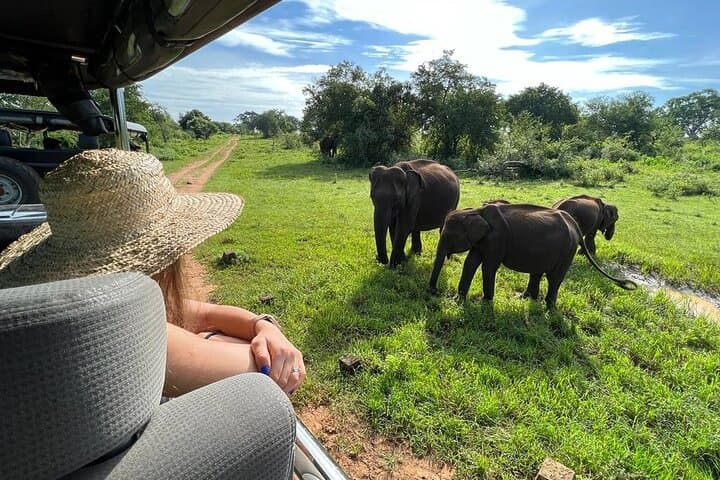
Dust rises behind the 4x4 as you move across flat grasslands toward a line of dark shapes at the water’s edge. The elephants are deliberate, swinging trunks like slow metronomes; the reservoir’s surface shivers as birds lift and wheel, daring you to follow their flight.
Verified experiences and guided adventures in the surrounding area.
Operated by A Visitor · Udawalawe, Sabaragamuwa Province
Dust rises behind the 4x4 as you move across flat grasslands toward a line of dark shapes at the water’s edge. The elephants are deliberate, swinging trunks like slow metronomes; the reservoir’s surface shivers as birds lift and wheel, daring you to follow their flight.
Udawalawe National Park was created in the 1970s to protect catchments and animal corridors after the construction of the Udawalawe Reservoir. Geologically the park sits on rolling plains and low hills where ancient river systems deposited laterite soils, producing open scrub and grassland that favor large herbivores. Local communities around Udawalawe are rural and agricultural—rice paddies and coconut plots frame the park’s gateways, and the Elephant Transit Home nearby reflects Sri Lanka’s hands-on conservation culture.
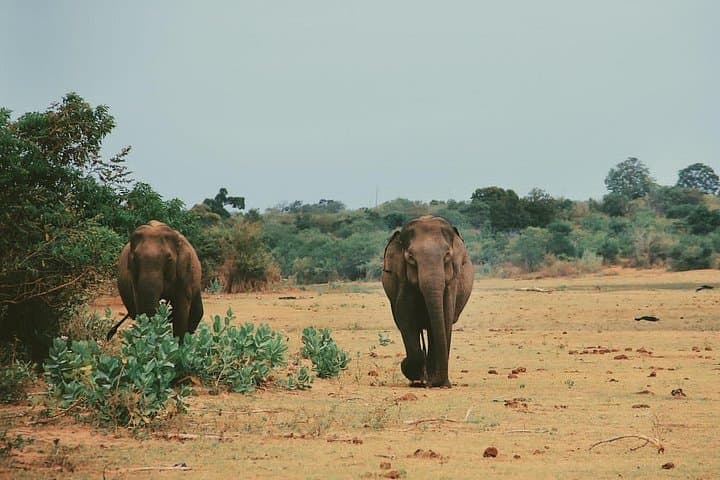
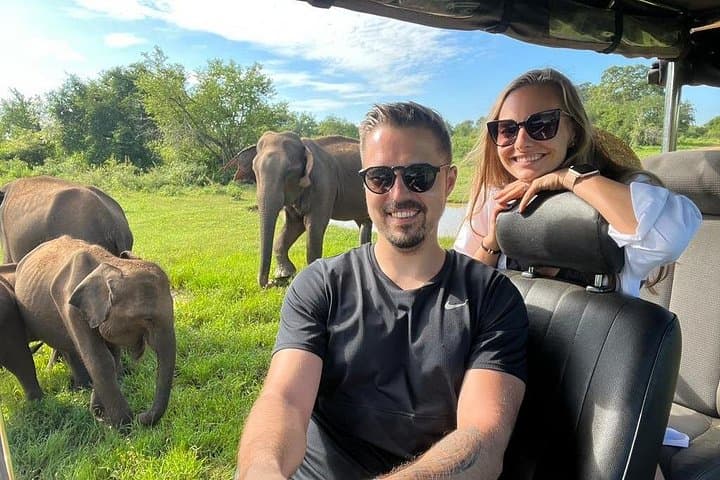
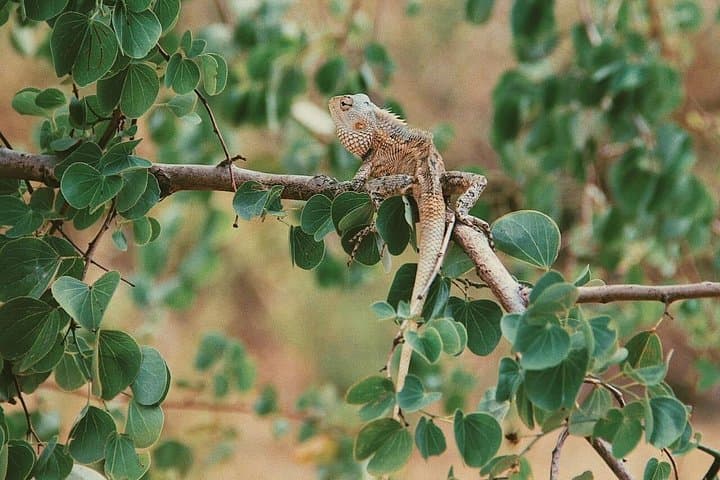
On a guided safari you'll scan for Sri Lankan elephants, water buffalo, spotted deer and over 200 bird species. Guides read the land—tracks, dung lines and drying pools—to anticipate movement, so bring a patient eye and a steady shutter finger.
Practicalities: tours run 3–6 hours and use covered 4x4s on dust and gravel tracks; expect bumpy roads and early departures for the best light. Bring sun protection, layered clothing for cool mornings, refillable water, binoculars and a telephoto lens if you want tight wildlife frames. Respect viewing distances; vehicles are allowed but feeding or approaching wildlife is illegal and unsafe.
Timing your visit toward the dry season increases elephant visibility; mornings and late afternoons offer the sharpest light for photography and the liveliest animal behavior.
moderate.
3–6 hours.
Moderate: you’ll sit for extended periods but may do short walks at viewpoints; able-bodied travelers of average fitness are fine.
Udawalawe is best-known for Sri Lankan elephants; you may also spot water buffalo, spotted deer, macaques and a wide variety of water and raptor birds.
Tours typically last 3–6 hours; morning and late-afternoon windows are common to catch peak animal activity and better light for photos.
Yes—safari jeeps are suitable for most ages, though infants usually must sit on laps and the terrain can be bumpy, so consider comfort and mobility.
Many organized safaris include entrance fees, private transport and a guide—confirm inclusions when booking to avoid surprises.
The park was established in the 1970s around the Udawalawe Reservoir to protect wildlife habitat and water catchments affected by dam construction.
Udawalawe plays a key role in elephant conservation and offers community-based tourism; stick to designated routes and follow guides to minimize disturbance.
A Visitor operates guided outdoor trips and adventures with an emphasis on safety, stewardship, and memorable experiences.
Dust rises behind the 4x4 as you move across flat grasslands toward a line of dark shapes at the water’s edge. The elephants are deliberate, swinging trunks like slow metronomes; the reservoir’s surface shivers as birds lift and wheel, daring you to follow their flight.
Dust rises behind the 4x4 as you move across flat grasslands toward a line of dark shapes at the water’s edge. The elephants are deliberate, swinging trunks like slow metronomes; the reservoir’s surface shivers as birds lift and wheel, daring you to follow their flight.
Udawalawe National Park was created in the 1970s to protect catchments and animal corridors after the construction of the Udawalawe Reservoir. Geologically the park sits on rolling plains and low hills where ancient river systems deposited laterite soils, producing open scrub and grassland that favor large herbivores. Local communities around Udawalawe are rural and agricultural—rice paddies and coconut plots frame the park’s gateways, and the Elephant Transit Home nearby reflects Sri Lanka’s hands-on conservation culture.
On a guided safari you'll scan for Sri Lankan elephants, water buffalo, spotted deer and over 200 bird species. Guides read the land—tracks, dung lines and drying pools—to anticipate movement, so bring a patient eye and a steady shutter finger.
Practicalities: tours run 3–6 hours and use covered 4x4s on dust and gravel tracks; expect bumpy roads and early departures for the best light. Bring sun protection, layered clothing for cool mornings, refillable water, binoculars and a telephoto lens if you want tight wildlife frames. Respect viewing distances; vehicles are allowed but feeding or approaching wildlife is illegal and unsafe.
Timing your visit toward the dry season increases elephant visibility; mornings and late afternoons offer the sharpest light for photography and the liveliest animal behavior.