THE ADVENTURE COLLECTIVE® · Independent discovery and booking for outdoor travel

Drive across open grasslands to find wild elephants and end with a stop at the Elephant Transit Home. This private safari gives you extended viewing time, hotel pickup, and an up-close look at Sri Lanka’s best place for elephant sightings.
Drive across open grasslands to find wild elephants and end with a stop at the Elephant Transit Home. This private safari gives you extended viewing time, hotel pickup, and an up-close look at Sri Lanka’s best place for elephant sightings.
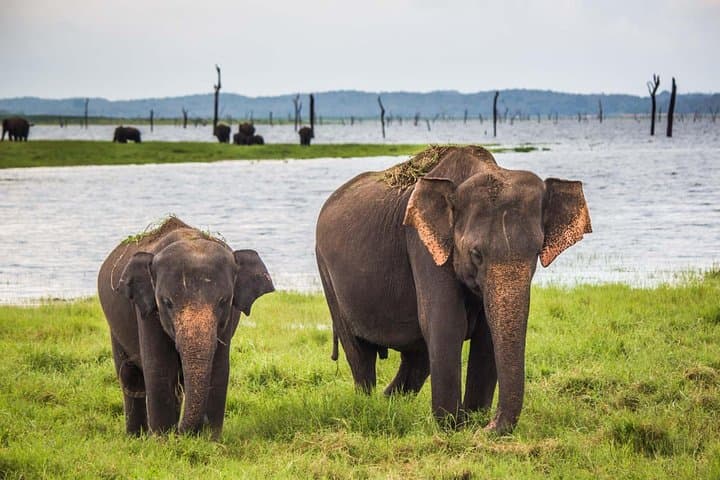
The sun lifts off the rim of the scrub, and the jeep bumps onto a dusty trail as a line of elephants materializes against the grassland—large silhouettes moving with surprising deliberation. Early light plays across their ribs and the reservoir beyond; birds flare from thorny acacia as the guide eases the engine forward. That first sweep of open plain frequently sets the tone for a Udawalawe safari: close, immediate, and ruled by slow-moving giants.
Verified experiences and guided adventures in the surrounding area.
Operated by Nature Ceylon Tours - Udawalawe · Udawalawe, Sabaragamuwa Province
The sun lifts off the rim of the scrub, and the jeep bumps onto a dusty trail as a line of elephants materializes against the grassland—large silhouettes moving with surprising deliberation. Early light plays across their ribs and the reservoir beyond; birds flare from thorny acacia as the guide eases the engine forward. That first sweep of open plain frequently sets the tone for a Udawalawe safari: close, immediate, and ruled by slow-moving giants.
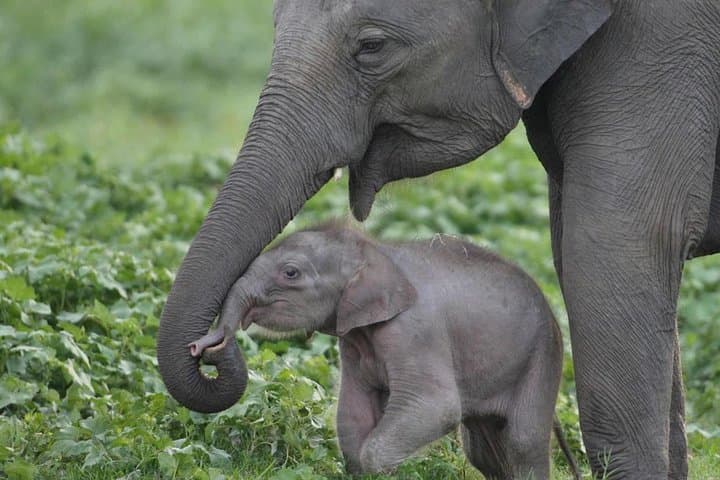
Udawalawe National Park sits on the southern approach to Sri Lanka’s central highlands, formed from undulating plains, seasonal tanks and pockets of bush-forest. The Elephant Transit Home—created in the 1990s with support from the Born Free Foundation—rehabilitates orphaned calves and releases many back into these grasslands. The area’s culture is tied to working elephants, rice paddies and reservoir irrigation systems that shaped local settlement patterns.
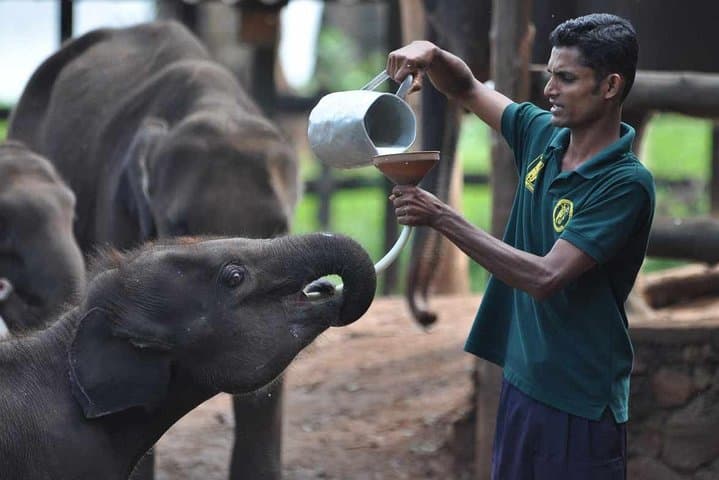
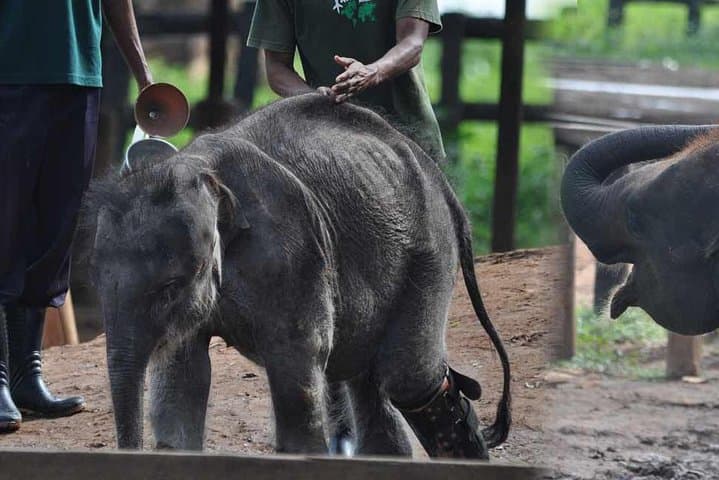
Expect a game-focused drive in a rugged 4x4: grassland scanning, intermittent glades of tamarind and thorn scrub, and stops at waterholes where water buffalo and birdlife gather. Leopard sightings are rare; elephants and water buffalo are the reliable stars. At the Transit Home you’ll watch regulated feedings from a viewing platform—no touching, no direct contact.
Practical notes: tours run morning or afternoon and last about 3–4 hours with hotel pickup. Bring binoculars, sun protection, insect repellent and a camera with a zoom lens. Wear neutral colors and keep voices low; animals react to movement. Hydrate before you board and expect dusty roads—sturdy shoes with good traction are helpful for short walks. Respect park rules and the Transit Home’s restrictions to ensure these animals return safely to the wild.
easy.
3–4 hours.
Minimal fitness required—able to get in and out of a safari jeep and manage short, flat walks at the Transit Home.
The shared safari runs about 3–4 hours and includes hotel pickup/drop-off, a driver/guide, and transportation in a safari jeep (max six passengers).
No; viewing is only from designated platforms during feeding times to protect the calves and allow safe rehabilitation.
Elephants and water buffalo are the most commonly seen; you may also encounter deer, peafowl and a variety of wetland birds; leopards are uncommon but possible.
Yes—physical demands are low, but check with the operator about child policies and vehicle access if mobility is severely limited.
Udawalawe’s Transit Home was established in the 1990s to rehabilitate orphaned elephant calves and reintroduce them to the park; the park itself was created in 1972 to protect the watershed and wildlife.
The park relies on regulated tourism and community programs to fund protection; visitors should avoid single-use plastics, stay in designated areas and support local conservation fees.
Nature Ceylon Tours - Udawalawe operates guided outdoor trips and adventures with an emphasis on safety, stewardship, and memorable experiences.
The sun lifts off the rim of the scrub, and the jeep bumps onto a dusty trail as a line of elephants materializes against the grassland—large silhouettes moving with surprising deliberation. Early light plays across their ribs and the reservoir beyond; birds flare from thorny acacia as the guide eases the engine forward. That first sweep of open plain frequently sets the tone for a Udawalawe safari: close, immediate, and ruled by slow-moving giants.
The sun lifts off the rim of the scrub, and the jeep bumps onto a dusty trail as a line of elephants materializes against the grassland—large silhouettes moving with surprising deliberation. Early light plays across their ribs and the reservoir beyond; birds flare from thorny acacia as the guide eases the engine forward. That first sweep of open plain frequently sets the tone for a Udawalawe safari: close, immediate, and ruled by slow-moving giants.
Udawalawe National Park sits on the southern approach to Sri Lanka’s central highlands, formed from undulating plains, seasonal tanks and pockets of bush-forest. The Elephant Transit Home—created in the 1990s with support from the Born Free Foundation—rehabilitates orphaned calves and releases many back into these grasslands. The area’s culture is tied to working elephants, rice paddies and reservoir irrigation systems that shaped local settlement patterns.
Expect a game-focused drive in a rugged 4x4: grassland scanning, intermittent glades of tamarind and thorn scrub, and stops at waterholes where water buffalo and birdlife gather. Leopard sightings are rare; elephants and water buffalo are the reliable stars. At the Transit Home you’ll watch regulated feedings from a viewing platform—no touching, no direct contact.
Practical notes: tours run morning or afternoon and last about 3–4 hours with hotel pickup. Bring binoculars, sun protection, insect repellent and a camera with a zoom lens. Wear neutral colors and keep voices low; animals react to movement. Hydrate before you board and expect dusty roads—sturdy shoes with good traction are helpful for short walks. Respect park rules and the Transit Home’s restrictions to ensure these animals return safely to the wild.