THE ADVENTURE COLLECTIVE® · Independent discovery and booking for outdoor travel

Spend three concentrated hours tracking elephants, birds and butterflies in Udawalawe National Park. This open-jeep safari focuses on reliable wildlife sightings and practical conservation awareness, with morning and evening departures tailored to animal activity.
Spend three concentrated hours tracking elephants, birds and butterflies in Udawalawe National Park. This open-jeep safari focuses on reliable wildlife sightings and practical conservation awareness, with morning and evening departures tailored to animal activity.
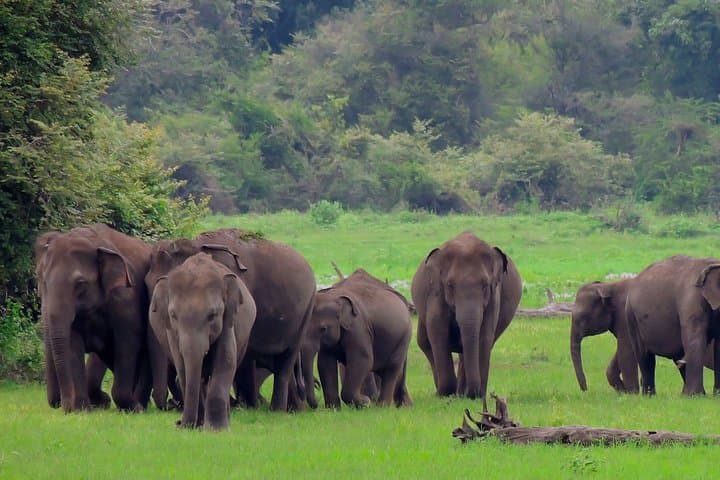
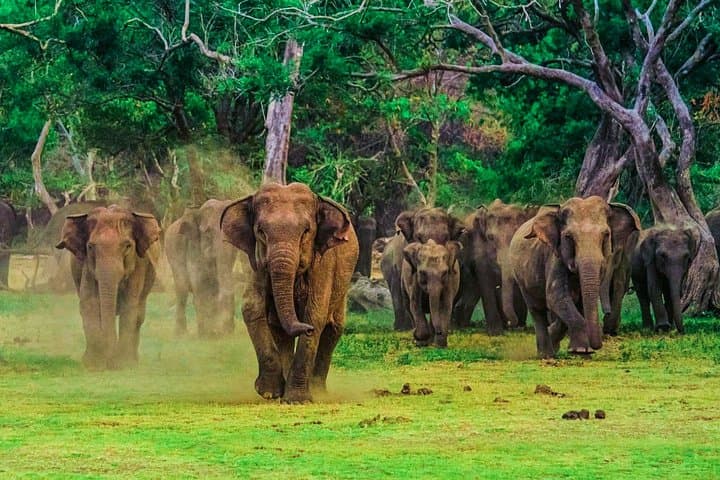
The jeep crunches through red-dust tracks and the air tilts toward heat as dawn spreads over the plains of Udawalawe. A single tusk glints at the horizon — an elephant stepping from a copse of thorny scrub — and the ranger eases the vehicle closer, engine idling like a patient animal.
Verified experiences and guided adventures in the surrounding area.
Operated by Lakpura LLC · Udawalawe, Sabaragamuwa Province
The jeep crunches through red-dust tracks and the air tilts toward heat as dawn spreads over the plains of Udawalawe. A single tusk glints at the horizon — an elephant stepping from a copse of thorny scrub — and the ranger eases the vehicle closer, engine idling like a patient animal.
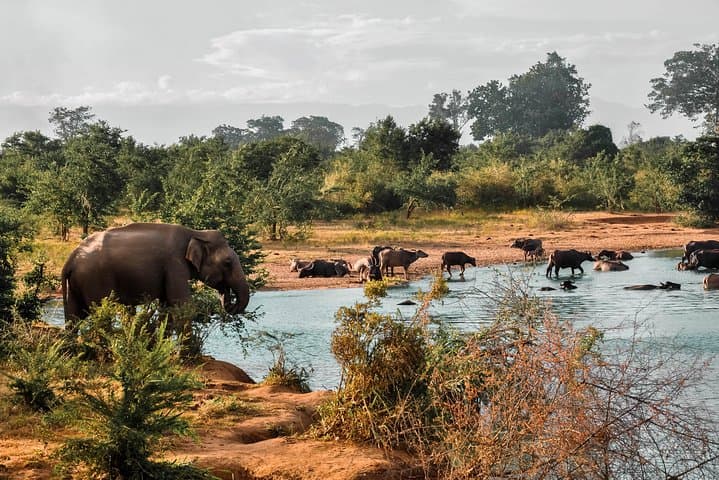
Udawalawe sits on Sri Lanka’s south-central dry zone, where a reservoir dammed in the mid-20th century carved broad grasslands from riverine forest. Granite outcrops and lateritic soils shape the terrain; seasonal waterholes choreograph animal movement, drawing elephants, water buffalo and birds into predictable circuits. Nearby, the Elephant Transit Home underscores the park’s conservation history and local reverence for these giants.
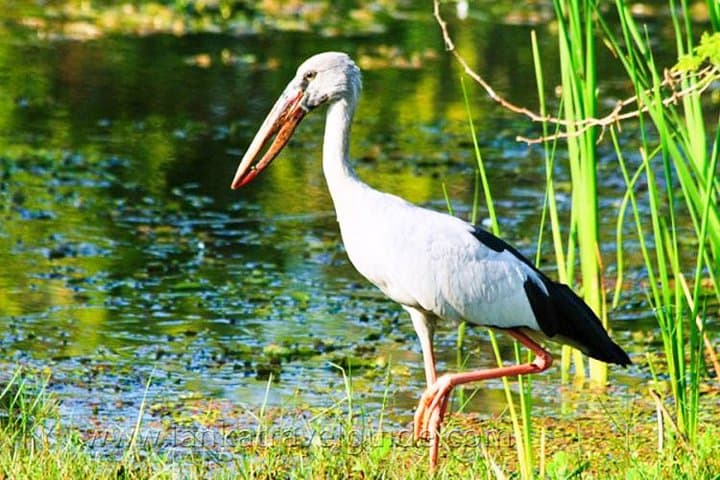
On a typical three-hour safari you’ll ride an open 4x4 with room for six, scanning plains and reed-lined reservoirs. Guides read animal behavior in a glance; birds puncture the skyline — purple herons, painted storks and raptors riding thermals. Butterflies flicker through the scrub, while the Walawe River quietly dictates where life gathers.
Practical notes: morning runs (around 06:00) offer cooler light and active mammals; evenings (around 15:00) concentrate animals near water. Keep binoculars and a long lens ready, wear neutral clothing, and follow your guide’s instructions: do not disembark near large mammals. Hydrate, sun-protect, and expect uneven, bumpy tracks.
This short safari is compact, sensory, and designed to give you close, respectful encounters with Sri Lanka’s wildlife while keeping safety and habitat protection front and center.
easy.
3 hours.
Suitable for most fitness levels; involves sitting in an open 4x4 over bumpy, uneven tracks
Standard departures are morning (around 06:00) and afternoon (around 15:00) for the three-hour safari; a longer 10-hour option is sometimes offered.
No — for safety you should remain in the vehicle unless the guide directs a brief walk for small wildlife or birding away from large mammals.
Yes — Udawalawe hosts many resident and migratory species; bring binoculars for the best experience.
Pickup and drop-off within a 5 km radius of the park gate are usually provided as part of the safari service.
Udawalawe’s landscape was reshaped by mid-20th-century reservoir development that created new wetlands and grasslands, altering wildlife patterns and creating today’s park system.
The park is central to regional elephant conservation; visitors are encouraged to minimize disturbance, avoid littering, and support local rehabilitation efforts where possible.
Lakpura LLC operates guided outdoor trips and adventures with an emphasis on safety, stewardship, and memorable experiences.
The jeep crunches through red-dust tracks and the air tilts toward heat as dawn spreads over the plains of Udawalawe. A single tusk glints at the horizon — an elephant stepping from a copse of thorny scrub — and the ranger eases the vehicle closer, engine idling like a patient animal.
The jeep crunches through red-dust tracks and the air tilts toward heat as dawn spreads over the plains of Udawalawe. A single tusk glints at the horizon — an elephant stepping from a copse of thorny scrub — and the ranger eases the vehicle closer, engine idling like a patient animal.
Udawalawe sits on Sri Lanka’s south-central dry zone, where a reservoir dammed in the mid-20th century carved broad grasslands from riverine forest. Granite outcrops and lateritic soils shape the terrain; seasonal waterholes choreograph animal movement, drawing elephants, water buffalo and birds into predictable circuits. Nearby, the Elephant Transit Home underscores the park’s conservation history and local reverence for these giants.
On a typical three-hour safari you’ll ride an open 4x4 with room for six, scanning plains and reed-lined reservoirs. Guides read animal behavior in a glance; birds puncture the skyline — purple herons, painted storks and raptors riding thermals. Butterflies flicker through the scrub, while the Walawe River quietly dictates where life gathers.
Practical notes: morning runs (around 06:00) offer cooler light and active mammals; evenings (around 15:00) concentrate animals near water. Keep binoculars and a long lens ready, wear neutral clothing, and follow your guide’s instructions: do not disembark near large mammals. Hydrate, sun-protect, and expect uneven, bumpy tracks.
This short safari is compact, sensory, and designed to give you close, respectful encounters with Sri Lanka’s wildlife while keeping safety and habitat protection front and center.