THE ADVENTURE COLLECTIVE® · Independent discovery and booking for outdoor travel

Watch herds of wild elephants feed and bathe at the reservoir edge on a private jeep safari in Udawalawe National Park. This 3–6 hour experience pairs local trackers with open-top viewing for close, respectful wildlife encounters.
Watch herds of wild elephants feed and bathe at the reservoir edge on a private jeep safari in Udawalawe National Park. This 3–6 hour experience pairs local trackers with open-top viewing for close, respectful wildlife encounters.
The morning light in Udawalawe breaks over flat grasslands and scrub, turning the reservoir’s edge to a sheet of quicksilver while a herd of elephants moves like a slow current across the plain. In a raised safari jeep you’ll sit above dust and grass, binoculars ready, as trunks probe for fallen fruit and calves shadow their mothers.
Verified experiences and guided adventures in the surrounding area.
Operated by Travceylon Leisure · Udawalawe, Sabaragamuwa Province
The morning light in Udawalawe breaks over flat grasslands and scrub, turning the reservoir’s edge to a sheet of quicksilver while a herd of elephants moves like a slow current across the plain. In a raised safari jeep you’ll sit above dust and grass, binoculars ready, as trunks probe for fallen fruit and calves shadow their mothers.
Created in 1972 after the Udawalawe Reservoir reshaped the Walawe River valley, the park protects more than 30,000 hectares of open plains, wetlands and forest patches formed on ancient floodplain soils. The landscape is raw: short-grass plains cut by seasonal streams, rocky outcrops that catch hawks, and the endless reach of the reservoir where waterbirds gather. Local communities in nearby villages keep close ties to the land, and trackers draw on years of observation to read spoor and behavior.
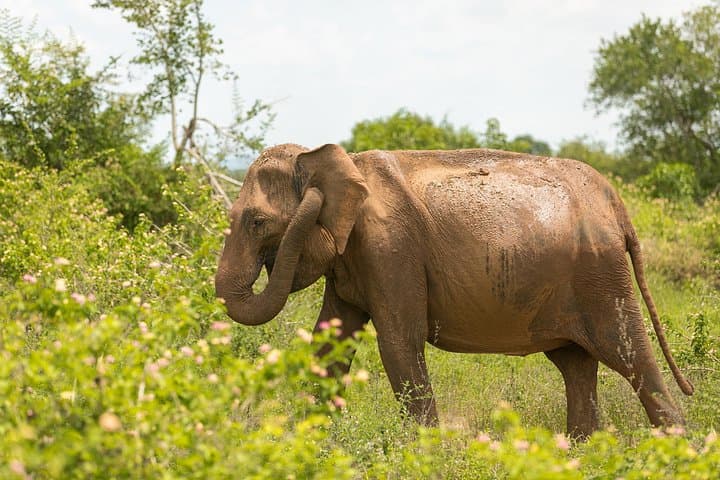
Expect a wildlife-first day: large elephant family groups, water buffalo lazing at the shoreline, sambar deer moving at the treeline, and occasional glimpses of leopard or jungle cat if luck and patience align. Birders will pick out painted storks, cormorants and raptors.
Practicalities: safaris run 3–6 hours; morning and late-afternoon windows have the most activity and cooler light. Wear sturdy shoes, a sun hat and muted colors, and bring at least 1–2 liters of water. Keep cameras ready with a telephoto lens; keep noise low and follow your tracker’s distance guidance. Vehicles can be bumpy—expect dust and the occasional wet fording. With basic preparation, a jeep safari here delivers close, respectful encounters with some of Sri Lanka’s most iconic wildlife.
easy.
3–6 hours.
Suitable for most fitness levels; expect short uneven steps getting in/out of the jeep and bumpy rides.
Tours run roughly 3–6 hours depending on the time slot chosen; most operators offer morning or afternoon sessions.
Udawalawe is one of Sri Lanka’s best places for elephants and sightings of herds are common, though wildlife is never guaranteed.
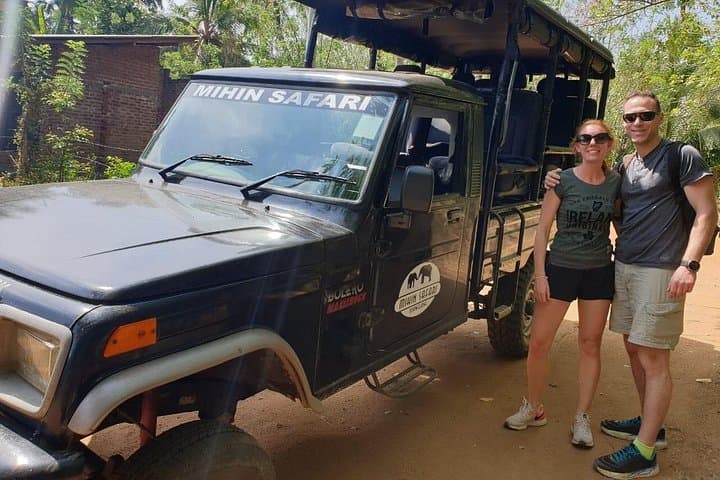
This private jeep tour typically includes pickup/drop-off within a 5 km radius of the park gate—confirm your exact pickup point when booking.
Children are allowed but must be supervised; check age or seat requirements with the operator and note the vehicle can be bumpy.
Udawalawe National Park was designated in 1972 to protect wildlife displaced by the construction of the Udawalawe Reservoir and to safeguard the reservoir’s catchment.
Visitor impact is managed through controlled vehicle access and park fees that support anti-poaching and habitat protection; keep to routes and avoid feeding animals.
Travceylon Leisure operates guided outdoor trips and adventures with an emphasis on safety, stewardship, and memorable experiences.
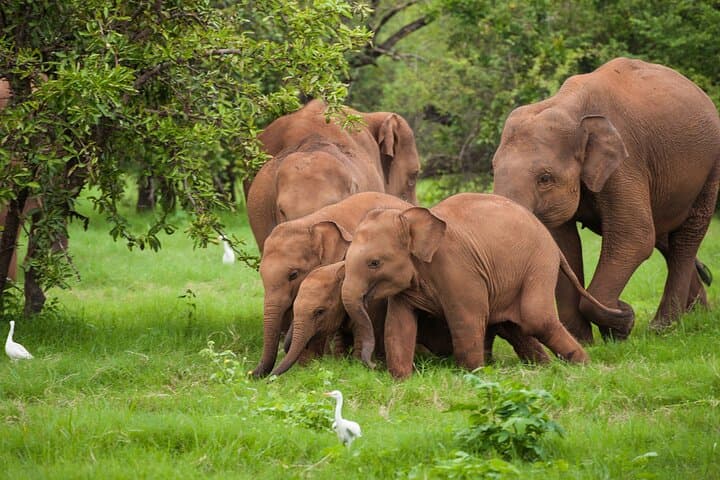
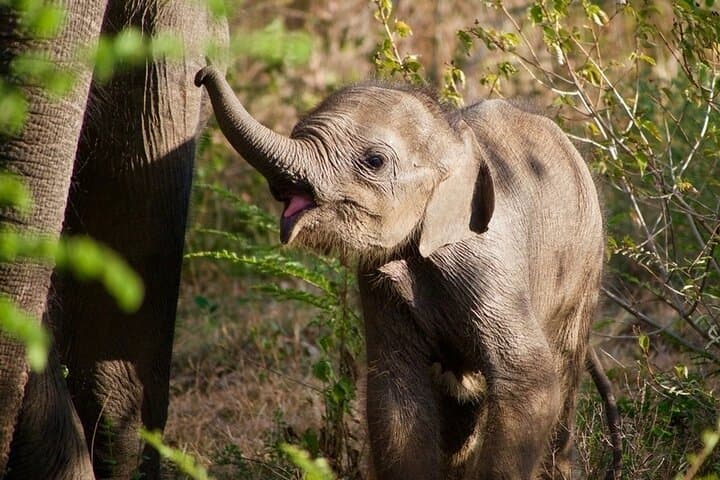
The morning light in Udawalawe breaks over flat grasslands and scrub, turning the reservoir’s edge to a sheet of quicksilver while a herd of elephants moves like a slow current across the plain. In a raised safari jeep you’ll sit above dust and grass, binoculars ready, as trunks probe for fallen fruit and calves shadow their mothers.
The morning light in Udawalawe breaks over flat grasslands and scrub, turning the reservoir’s edge to a sheet of quicksilver while a herd of elephants moves like a slow current across the plain. In a raised safari jeep you’ll sit above dust and grass, binoculars ready, as trunks probe for fallen fruit and calves shadow their mothers.
Created in 1972 after the Udawalawe Reservoir reshaped the Walawe River valley, the park protects more than 30,000 hectares of open plains, wetlands and forest patches formed on ancient floodplain soils. The landscape is raw: short-grass plains cut by seasonal streams, rocky outcrops that catch hawks, and the endless reach of the reservoir where waterbirds gather. Local communities in nearby villages keep close ties to the land, and trackers draw on years of observation to read spoor and behavior.
Expect a wildlife-first day: large elephant family groups, water buffalo lazing at the shoreline, sambar deer moving at the treeline, and occasional glimpses of leopard or jungle cat if luck and patience align. Birders will pick out painted storks, cormorants and raptors.
Practicalities: safaris run 3–6 hours; morning and late-afternoon windows have the most activity and cooler light. Wear sturdy shoes, a sun hat and muted colors, and bring at least 1–2 liters of water. Keep cameras ready with a telephoto lens; keep noise low and follow your tracker’s distance guidance. Vehicles can be bumpy—expect dust and the occasional wet fording. With basic preparation, a jeep safari here delivers close, respectful encounters with some of Sri Lanka’s most iconic wildlife.