THE ADVENTURE COLLECTIVE® · Independent discovery and booking for outdoor travel

A full‑day jeep safari from Bentota into Udawalawe offers near‑guaranteed elephant sightings across open dry‑zone plains. Expect long drives, early starts, and high-impact wildlife viewing with practical tips for making the most of the day.
A full‑day jeep safari from Bentota into Udawalawe offers near‑guaranteed elephant sightings across open dry‑zone plains. Expect long drives, early starts, and high-impact wildlife viewing with practical tips for making the most of the day.
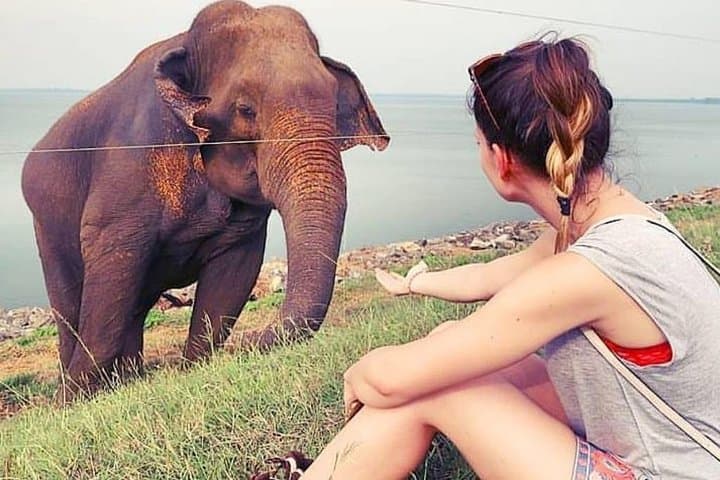
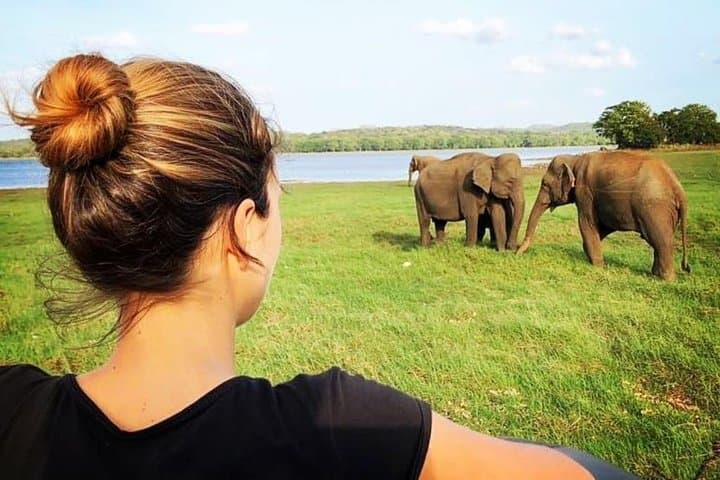
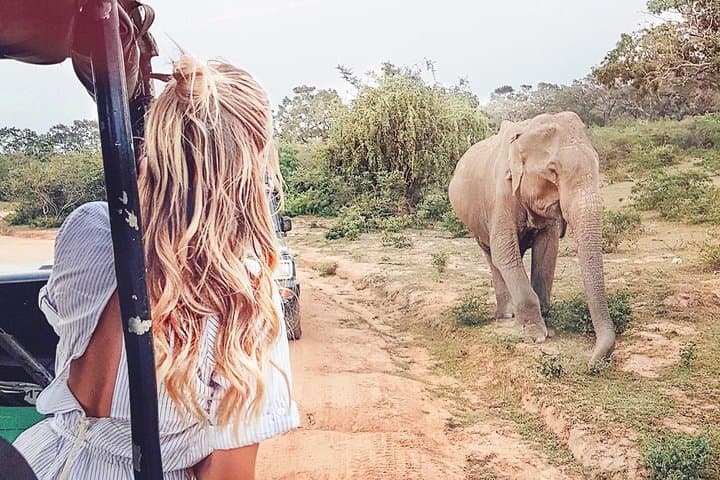
Dawn arrives on the dry plains of Udawalawe with a low, tawny light and the distant shapes of elephants moving like slow tides across the reservoir flats. A shared air‑conditioned transfer from Bentota delivers you inland through paddy fields and coconut groves; by midmorning a rust‑colored track leads the safari jeep into open scrub where game is visible at long range.
Verified experiences and guided adventures in the surrounding area.
Operated by Apple Vacations Pvt Ltd · Udawalawe, Sabaragamuwa Province
Dawn arrives on the dry plains of Udawalawe with a low, tawny light and the distant shapes of elephants moving like slow tides across the reservoir flats. A shared air‑conditioned transfer from Bentota delivers you inland through paddy fields and coconut groves; by midmorning a rust‑colored track leads the safari jeep into open scrub where game is visible at long range.
Udawalawe National Park was created in 1972 to protect animals displaced by the construction of the Udawalawe Reservoir; today the 308.2‑sq‑km park is a working mosaic of grasslands, low scrub and freshwater margins. Geologically it’s part of Sri Lanka’s dry zone — eroded lowlands and ancient river terraces that make wildlife-watching straightforward because visibility is rarely blocked by dense canopy. Local communities are predominantly Sinhalese farmers and fishers who rely on the reservoir and seasonal crops.
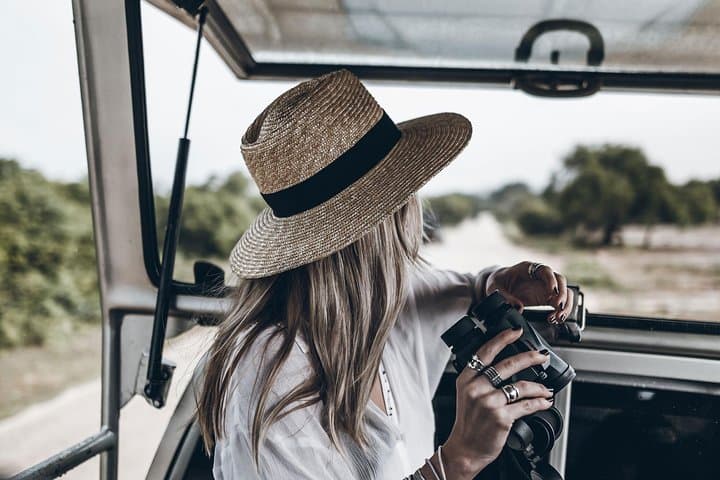
On a typical jeep safari you’ll track herds of Asian elephants, wild buffalo, sambar and spotted deer, and a busy cast of birds; leopards slip through but are rarely seen. Guides read sign and waterholes like maps, bringing you close while keeping distance. Practicalities matter: this is a long day trip—expect 10–12 hours door‑to‑door from Bentota with 3–4 hours’ driving each way depending on traffic. Wear sun protection, carry binoculars and a camera with a zoom lens, and plan for bumpy roads and early starts.
The experience mixes slow observation with sudden moments — a calf racing a mother, pelicans angling over the reservoir — making Udawalawe a focused, accessible safari for travelers based on Sri Lanka’s southwest coast.
moderate.
10–12 hours.
Moderate fitness for long drives and short on‑foot stretches; must tolerate bumpy jeep rides.
Expect roughly 3–4 hours each way depending on traffic and road conditions, making this a 10–12 hour day trip including safari time.
Udawalawe is famous for consistent elephant sightings—guides report near‑daily encounters—but wildlife is never 100% predictable.
Yes, but infants must sit on an adult’s lap and the operator notes the activity isn’t recommended for travelers with back, heart, or pregnancy restrictions.
The dry season (roughly May–September) concentrates animals at water sources and often improves visibility; however elephants are present year‑round.
Udawalawe National Park was established in 1972 to protect animals displaced by the creation of the Udawalawe Reservoir and to conserve dry‑zone wildlife.
The park supports ongoing elephant conservation and rehabilitation work; visitors should minimize disturbance by staying in vehicles and avoiding littering.
Apple Vacations Pvt Ltd operates guided outdoor trips and adventures with an emphasis on safety, stewardship, and memorable experiences.
Dawn arrives on the dry plains of Udawalawe with a low, tawny light and the distant shapes of elephants moving like slow tides across the reservoir flats. A shared air‑conditioned transfer from Bentota delivers you inland through paddy fields and coconut groves; by midmorning a rust‑colored track leads the safari jeep into open scrub where game is visible at long range.
Dawn arrives on the dry plains of Udawalawe with a low, tawny light and the distant shapes of elephants moving like slow tides across the reservoir flats. A shared air‑conditioned transfer from Bentota delivers you inland through paddy fields and coconut groves; by midmorning a rust‑colored track leads the safari jeep into open scrub where game is visible at long range.
Udawalawe National Park was created in 1972 to protect animals displaced by the construction of the Udawalawe Reservoir; today the 308.2‑sq‑km park is a working mosaic of grasslands, low scrub and freshwater margins. Geologically it’s part of Sri Lanka’s dry zone — eroded lowlands and ancient river terraces that make wildlife-watching straightforward because visibility is rarely blocked by dense canopy. Local communities are predominantly Sinhalese farmers and fishers who rely on the reservoir and seasonal crops.
On a typical jeep safari you’ll track herds of Asian elephants, wild buffalo, sambar and spotted deer, and a busy cast of birds; leopards slip through but are rarely seen. Guides read sign and waterholes like maps, bringing you close while keeping distance. Practicalities matter: this is a long day trip—expect 10–12 hours door‑to‑door from Bentota with 3–4 hours’ driving each way depending on traffic. Wear sun protection, carry binoculars and a camera with a zoom lens, and plan for bumpy roads and early starts.
The experience mixes slow observation with sudden moments — a calf racing a mother, pelicans angling over the reservoir — making Udawalawe a focused, accessible safari for travelers based on Sri Lanka’s southwest coast.