THE ADVENTURE COLLECTIVE® · Independent discovery and booking for outdoor travel

Spend a full day tracking Sri Lanka’s famous elephants in Udawalawe National Park on a private jeep safari from Galle, Mirissa or Ella. Expect four hours in the park, a chance to visit the Elephant Transit Home, and wildlife viewing across open plains and wetlands.
Spend a full day tracking Sri Lanka’s famous elephants in Udawalawe National Park on a private jeep safari from Galle, Mirissa or Ella. Expect four hours in the park, a chance to visit the Elephant Transit Home, and wildlife viewing across open plains and wetlands.
Dust and early light stretch across flat plains as your jeep threads a single-track road toward Udawalawe National Park. The air smells of dry grass and water—reservoir mirrors fractured sunlight—and the first elephant emerges like a deliberate island, moving the landscape with slow authority.
Verified experiences and guided adventures in the surrounding area.
Operated by Summer Dew Tours · Udawalawe, Sabaragamuwa Province
Dust and early light stretch across flat plains as your jeep threads a single-track road toward Udawalawe National Park. The air smells of dry grass and water—reservoir mirrors fractured sunlight—and the first elephant emerges like a deliberate island, moving the landscape with slow authority.
Established in the early 1970s after construction of the Udawalawe Reservoir, the park protects roughly 30,000 hectares of scrub forest, grassland and wetlands where Sri Lanka’s elephants, swampy crocodiles and seasonal waterbirds concentrate around shrinking pools. Granite outcrops and low ridges give way to open grass flats; geology here is subtle, old gneiss worn into rounded knobs that funnel wildlife and viewing opportunities into corridors.
Local culture is rural and practical: small farming villages, morning markets and roadside tea stalls offer a glimpse of life beyond the coast. The nearby Elephant Transit Home rehabilitates orphaned calves and provides a conservation link between tourism and care.
Practically, expect a full-day rhythm: pre-dawn pickup from Galle, Mirissa or Ella, roughly 2–4 hours of travel depending on origin, then a 4-hour game drive in an open safari jeep with a guide. Wildlife sightings are never guaranteed; animal movement follows water and season. Bring sun protection, a long lens or good binoculars, and be ready for bumpy tracks and sudden stops. Aim for early morning or late afternoon drives—light and temperature favor activity—and leave room afterward for a simple lunch near the park or a short visit to the Elephant Transit Home if timing allows.
moderate.
10 hours (full day).
Basic to moderate fitness; must handle bumpy jeep rides and short walks at stops.
No—sightings depend on season, water availability and animal movement; guides increase chances but sightings can’t be promised.
The Transit Home visit is optional and timing-dependent; check your itinerary and allow extra time if you want to visit.
Yes—hotel pickup and drop-off from Galle, Mirissa and Ella are offered; travel times vary by pickup point.
Yes, but minimum age is 6 and infants must sit on an adult’s lap; verify safety needs before booking.
Udawalawe became a protected area in the early 1970s after the reservoir’s creation displaced traditional migration routes, creating concentrated habitats that required active protection.
Support local conservation by observing quiet viewing practices and, when possible, visiting the Elephant Transit Home—tour revenue and donations aid rehabilitation and release programs.
Summer Dew Tours operates guided outdoor trips and adventures with an emphasis on safety, stewardship, and memorable experiences.
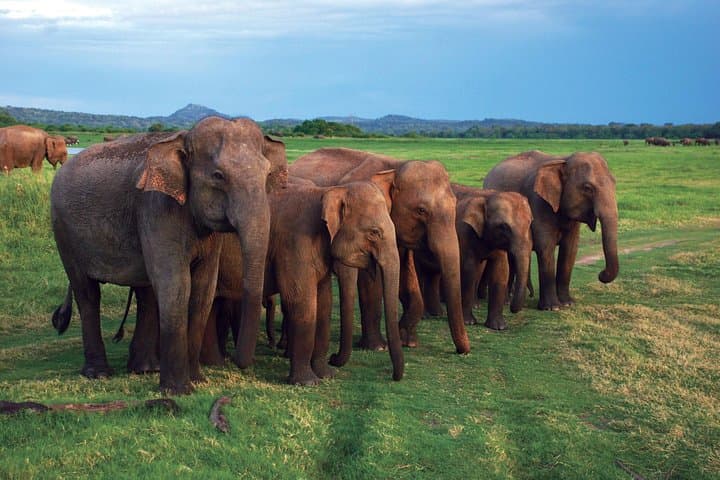
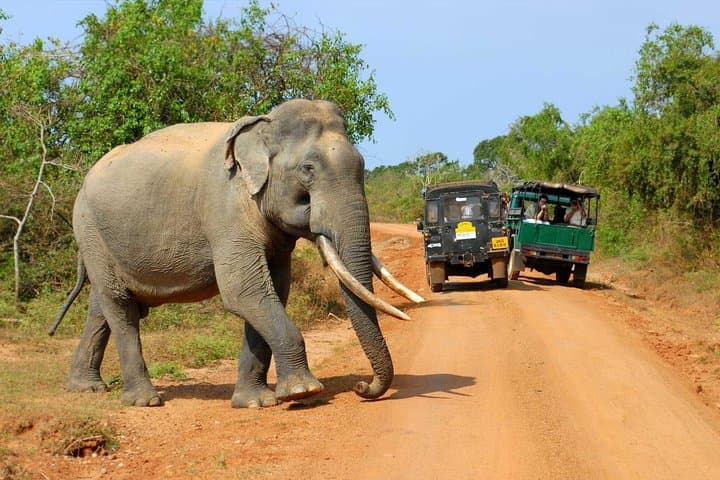
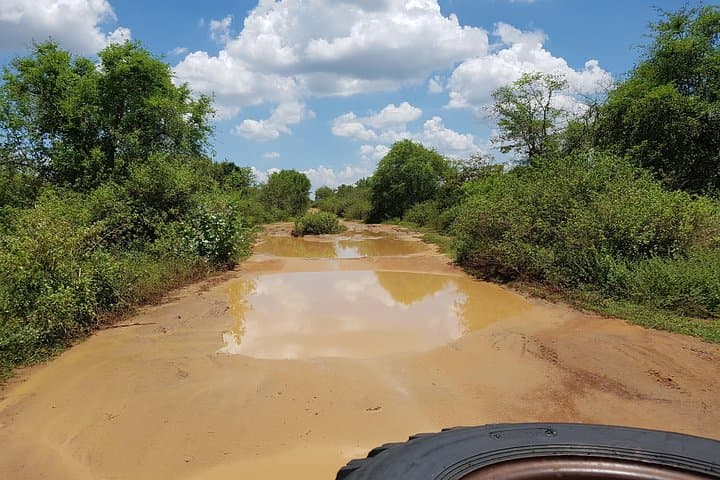
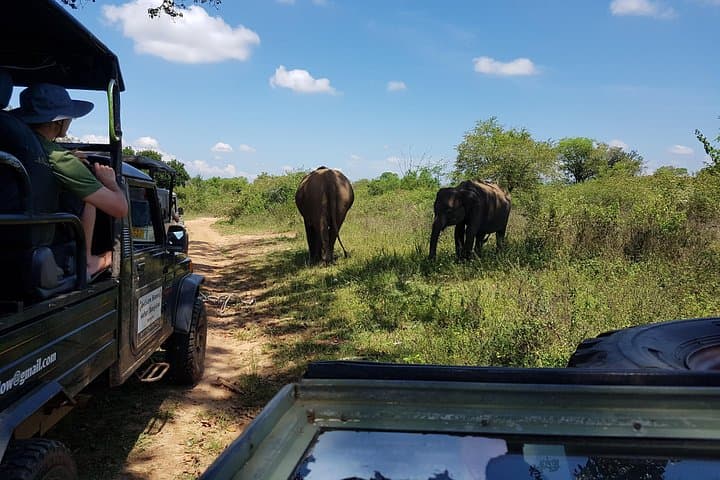
Dust and early light stretch across flat plains as your jeep threads a single-track road toward Udawalawe National Park. The air smells of dry grass and water—reservoir mirrors fractured sunlight—and the first elephant emerges like a deliberate island, moving the landscape with slow authority.
Dust and early light stretch across flat plains as your jeep threads a single-track road toward Udawalawe National Park. The air smells of dry grass and water—reservoir mirrors fractured sunlight—and the first elephant emerges like a deliberate island, moving the landscape with slow authority.
Established in the early 1970s after construction of the Udawalawe Reservoir, the park protects roughly 30,000 hectares of scrub forest, grassland and wetlands where Sri Lanka’s elephants, swampy crocodiles and seasonal waterbirds concentrate around shrinking pools. Granite outcrops and low ridges give way to open grass flats; geology here is subtle, old gneiss worn into rounded knobs that funnel wildlife and viewing opportunities into corridors.
Local culture is rural and practical: small farming villages, morning markets and roadside tea stalls offer a glimpse of life beyond the coast. The nearby Elephant Transit Home rehabilitates orphaned calves and provides a conservation link between tourism and care.
Practically, expect a full-day rhythm: pre-dawn pickup from Galle, Mirissa or Ella, roughly 2–4 hours of travel depending on origin, then a 4-hour game drive in an open safari jeep with a guide. Wildlife sightings are never guaranteed; animal movement follows water and season. Bring sun protection, a long lens or good binoculars, and be ready for bumpy tracks and sudden stops. Aim for early morning or late afternoon drives—light and temperature favor activity—and leave room afterward for a simple lunch near the park or a short visit to the Elephant Transit Home if timing allows.