THE ADVENTURE COLLECTIVE® · Independent discovery and booking for outdoor travel

A sunrise transfer from Galle drops you at Udawalawe for a focused half-day jeep safari—three hours in the park plus lunch. Expect reliable elephant encounters, abundant waterbirds, and a practical, vehicle-based wildlife experience suitable for most travelers.
A sunrise transfer from Galle drops you at Udawalawe for a focused half-day jeep safari—three hours in the park plus lunch. Expect reliable elephant encounters, abundant waterbirds, and a practical, vehicle-based wildlife experience suitable for most travelers.
You leave Galle before sunrise and the coast falls away behind the air-conditioned transfer. By the time the jeep pulls up to the park gate, the Udawalawe plains are waking: tall grasses whisper, water glints on the reservoir, and the first elephants push through the scrub toward the pooled water.
Verified experiences and guided adventures in the surrounding area.
Operated by Overa Tours · Udawalawe, Sabaragamuwa
You leave Galle before sunrise and the coast falls away behind the air-conditioned transfer. By the time the jeep pulls up to the park gate, the Udawalawe plains are waking: tall grasses whisper, water glints on the reservoir, and the first elephants push through the scrub toward the pooled water.
Udawalawe National Park was established in the 1970s to protect elephants displaced by the creation of the Udawalawe Reservoir. The park sits on low alluvial plains and rocky outcrops; its geology concentrates water in a few permanent ponds, which in turn draws large mammals and scores of waterbirds. Local villages around the park still live by rice and dry-zone agriculture, and the region’s culture shows in roadside tea stalls and small temple shrines near the entry roads.
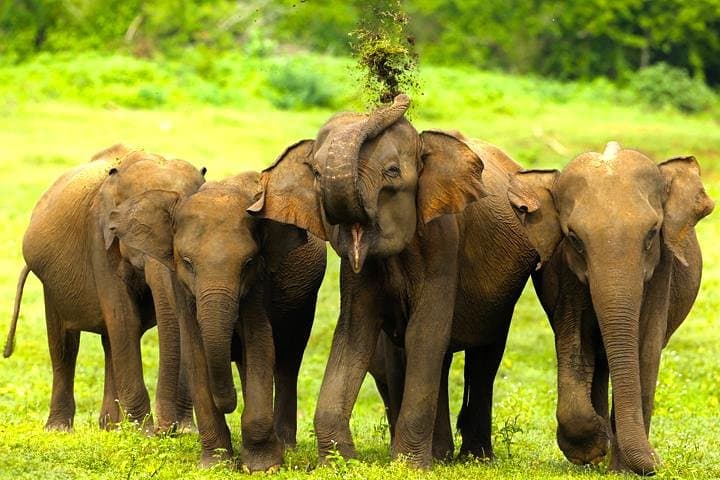
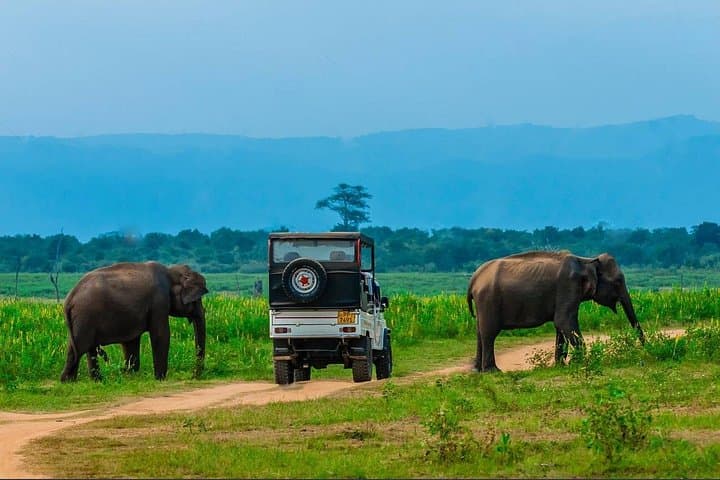
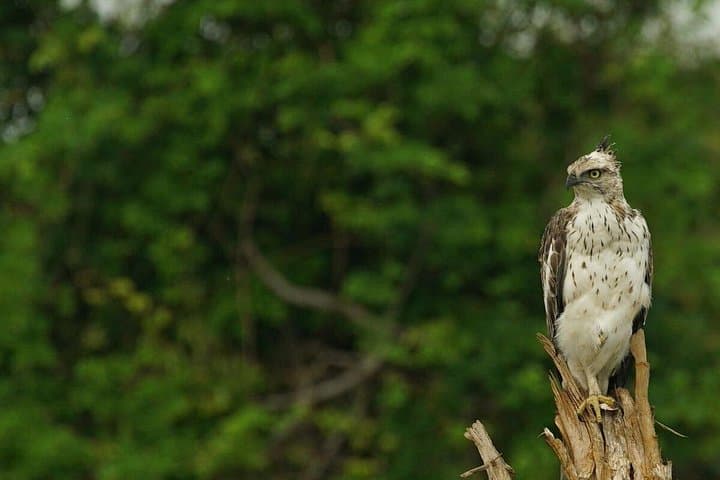
On a typical half-day safari you’ll spend about three hours in a 4x4 jeep tracking herds of Asian elephants, scanning for sambar deer, and watching painted storks and raptors wheel over the reservoir. Guides use decades of local knowledge to find animals; sightings are most likely in the cooler morning or late-afternoon hours.
Practical guidance: be ready at your hotel 15 minutes before pickup, bring ID for park entry, and wear sturdy closed shoes for short dismounts. Pack binoculars, sun protection, and a small bottle of water—vehicles provide refreshments, and lunch at a local restaurant is included after the drive. Respect park rules: stay inside the vehicle, don’t feed wildlife, and keep noise low. With basic preparation, this half-day trip delivers close encounters with Sri Lanka’s wildlife and a clear, efficient way to experience Udawalawe without an overnight stay.
moderate.
6–9 hours.
Suitable for most travelers in average fitness; involves sitting in an open 4x4 for several hours and occasional short, bumpy exits
The guided wildlife drive is typically about three hours inside the park, timed for the best wildlife activity during morning or late afternoon.
Yes — this tour includes Udawalawe National Park entrance fees, the cost of the safari jeep, and lunch at a local restaurant as stated in the inclusions.
Pickups are offered from most hotels in Galle and Mirissa; confirm your pickup point when booking and be ready 15 minutes early.
The tour is generally family-friendly, but it’s not recommended for travelers with serious back problems, pregnant guests, or those with significant mobility limitations due to bumpy terrain and jeep access.
Udawalawe National Park was created in the 1970s largely to provide habitat for elephants displaced by the construction of the Udawalawe Reservoir.
The park plays a key role in elephant conservation and relies on regulated jeep routes and visitor behavior to minimize stress on wildlife; never feed or approach animals and follow your guide’s rules.
Overa Tours operates guided outdoor trips and adventures with an emphasis on safety, stewardship, and memorable experiences.
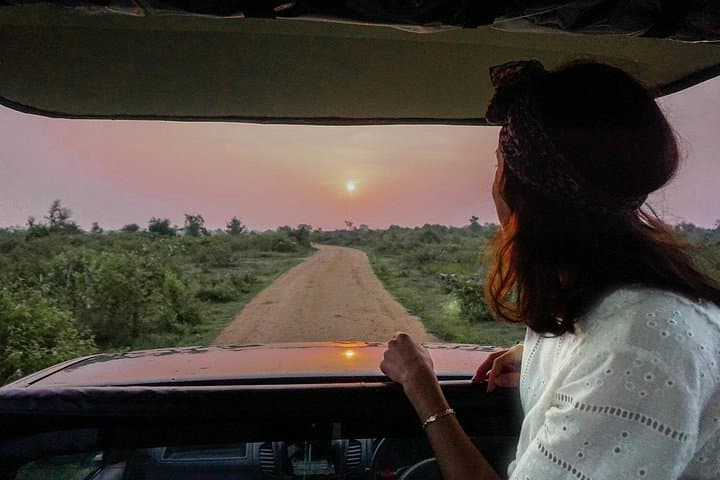
You leave Galle before sunrise and the coast falls away behind the air-conditioned transfer. By the time the jeep pulls up to the park gate, the Udawalawe plains are waking: tall grasses whisper, water glints on the reservoir, and the first elephants push through the scrub toward the pooled water.
You leave Galle before sunrise and the coast falls away behind the air-conditioned transfer. By the time the jeep pulls up to the park gate, the Udawalawe plains are waking: tall grasses whisper, water glints on the reservoir, and the first elephants push through the scrub toward the pooled water.
Udawalawe National Park was established in the 1970s to protect elephants displaced by the creation of the Udawalawe Reservoir. The park sits on low alluvial plains and rocky outcrops; its geology concentrates water in a few permanent ponds, which in turn draws large mammals and scores of waterbirds. Local villages around the park still live by rice and dry-zone agriculture, and the region’s culture shows in roadside tea stalls and small temple shrines near the entry roads.
On a typical half-day safari you’ll spend about three hours in a 4x4 jeep tracking herds of Asian elephants, scanning for sambar deer, and watching painted storks and raptors wheel over the reservoir. Guides use decades of local knowledge to find animals; sightings are most likely in the cooler morning or late-afternoon hours.
Practical guidance: be ready at your hotel 15 minutes before pickup, bring ID for park entry, and wear sturdy closed shoes for short dismounts. Pack binoculars, sun protection, and a small bottle of water—vehicles provide refreshments, and lunch at a local restaurant is included after the drive. Respect park rules: stay inside the vehicle, don’t feed wildlife, and keep noise low. With basic preparation, this half-day trip delivers close encounters with Sri Lanka’s wildlife and a clear, efficient way to experience Udawalawe without an overnight stay.