THE ADVENTURE COLLECTIVE® · Independent discovery and booking for outdoor travel

Spend a long coastal day chasing elephants and conservation stories: a guided game drive through Udawalawe National Park, a visit to the Elephant Transit Home, and a stop at Galle Dutch Fort. This all-inclusive excursion delivers big wild views, hands-on conservation insight and colonial history in one full day.
Spend a long coastal day chasing elephants and conservation stories: a guided game drive through Udawalawe National Park, a visit to the Elephant Transit Home, and a stop at Galle Dutch Fort. This all-inclusive excursion delivers big wild views, hands-on conservation insight and colonial history in one full day.
You step out of the air-conditioned vehicle onto sunbaked gravel and feel the park breathe — dry grass flats ripple and a band of jungle beyond waits like a living wall. In Udawalawe National Park the land spreads low and open, making elephants obvious silhouettes against a wide sky; even the reservoir seems to lean toward the animals, reflecting their slow movement.
Verified experiences and guided adventures in the surrounding area.
Operated by Udawalawa safari from Ahungalla/Ambalangoda/kosgoda/Hikkaduwa · Udawalawe, Southern Province
You step out of the air-conditioned vehicle onto sunbaked gravel and feel the park breathe — dry grass flats ripple and a band of jungle beyond waits like a living wall. In Udawalawe National Park the land spreads low and open, making elephants obvious silhouettes against a wide sky; even the reservoir seems to lean toward the animals, reflecting their slow movement.
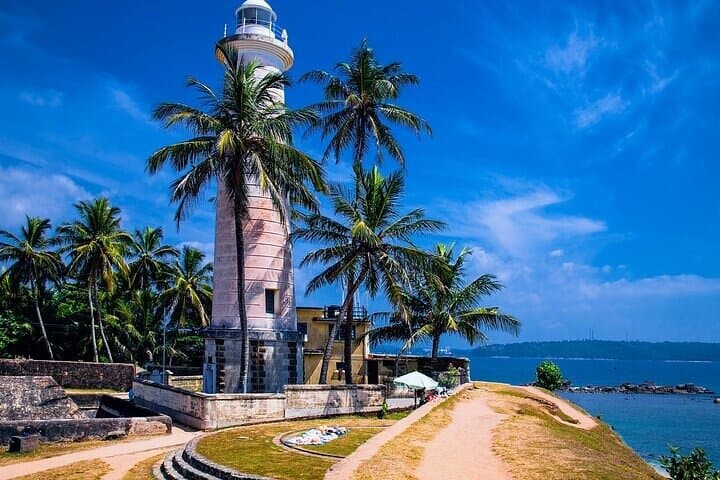
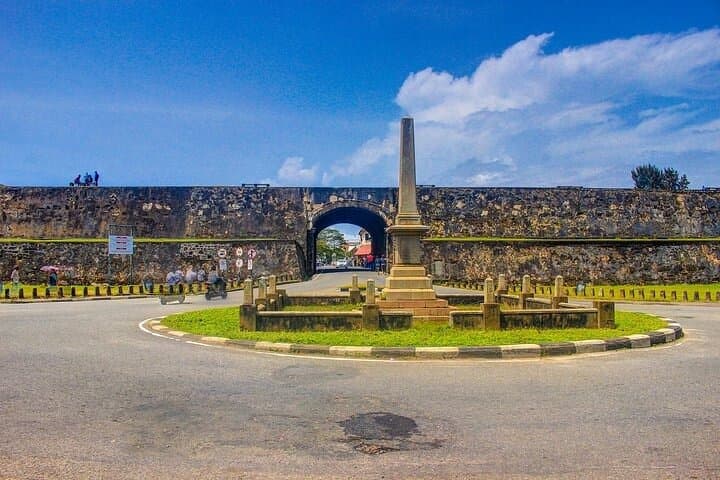
The park was created in the 1970s to protect wildlife displaced by a reservoir project; its flat, grassy plains and scrubby forest are carved from Miocene sedimentary layers and carved by seasonal streams. Nearby, the Elephant Transit Home grew from local conservation efforts into a globally recognized rehabilitation center that reintroduces orphaned calves to the wild. On the return run, Galle’s Dutch Fort offers a sharp contrast — 17th-century ramparts, colonial streets and ocean-battered stone that narrate Sri Lanka’s trading past.
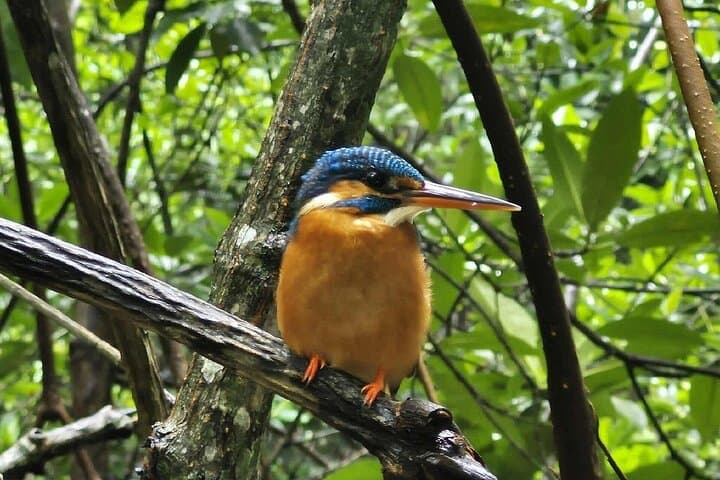
Expect wide-open safari tracks, sunrise-to-noon light that lights hides and horns, and a mix of bird calls and distant elephant grunts. Guides know watering holes and quiet river bends where crocodiles and water buffalo wait; the day trip is long but physically easy — most time is spent seated watching animal behavior.
Practical guidance: bring binoculars and a telephoto lens, hydrate frequently, and choose a seat with shade in the vehicle. Morning drives are best for active elephant sightings; the Elephant Transit Home schedules feedings that are timed and brief. Wear lightweight, neutral clothing and prepare for bumpy roads — motion-sickness remedies can make the difference on the 10–12 hour round trip.
easy.
10–12 hours.
Suitable for average fitness—mostly seated driving with short walks; expect long days rather than steep exertion.
Yes—this all-inclusive package lists admission and entrance fees as included in the trip price.
Expect a 10–12 hour day: an extended game drive, a scheduled visit to the Elephant Transit Home, and time exploring Galle Fort on the return; much of the safari is vehicle-based with short walks.
No—sightings depend on seasonal movement and animal behavior, though Udawalawe’s open terrain makes elephant encounters more likely than in denser parks.
Pickup is typically provided from set coastal pickup points (Ahungalla, Kosgoda, Balapitiya, Hikkaduwa, Bentota); confirm your pickup during booking and allow flexibility for timing.
Udawalawe was designated a national park in the 1970s following a reservoir project that reshaped local habitats; Galle Fort dates to 17th-century Dutch colonial trade networks.
The Elephant Transit Home rehabilitates orphaned calves for release, so respect viewing windows and avoid feeding or touching animals; follow guide instructions to minimize disturbance.
Udawalawa safari from Ahungalla/Ambalangoda/kosgoda/Hikkaduwa operates guided outdoor trips and adventures with an emphasis on safety, stewardship, and memorable experiences.
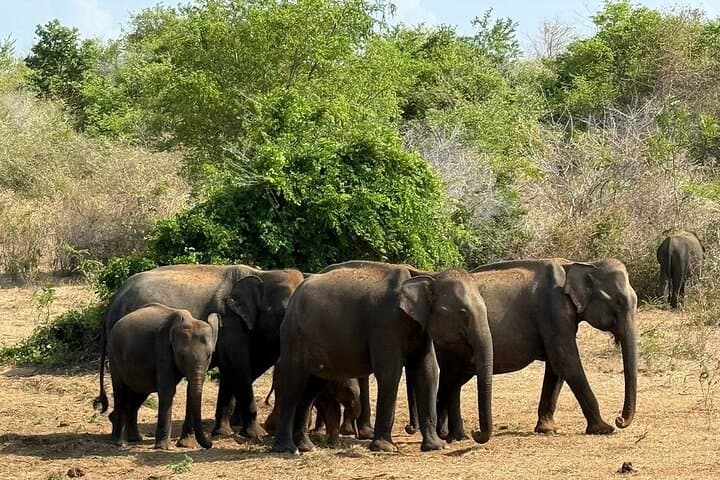
You step out of the air-conditioned vehicle onto sunbaked gravel and feel the park breathe — dry grass flats ripple and a band of jungle beyond waits like a living wall. In Udawalawe National Park the land spreads low and open, making elephants obvious silhouettes against a wide sky; even the reservoir seems to lean toward the animals, reflecting their slow movement.
You step out of the air-conditioned vehicle onto sunbaked gravel and feel the park breathe — dry grass flats ripple and a band of jungle beyond waits like a living wall. In Udawalawe National Park the land spreads low and open, making elephants obvious silhouettes against a wide sky; even the reservoir seems to lean toward the animals, reflecting their slow movement.
The park was created in the 1970s to protect wildlife displaced by a reservoir project; its flat, grassy plains and scrubby forest are carved from Miocene sedimentary layers and carved by seasonal streams. Nearby, the Elephant Transit Home grew from local conservation efforts into a globally recognized rehabilitation center that reintroduces orphaned calves to the wild. On the return run, Galle’s Dutch Fort offers a sharp contrast — 17th-century ramparts, colonial streets and ocean-battered stone that narrate Sri Lanka’s trading past.
Expect wide-open safari tracks, sunrise-to-noon light that lights hides and horns, and a mix of bird calls and distant elephant grunts. Guides know watering holes and quiet river bends where crocodiles and water buffalo wait; the day trip is long but physically easy — most time is spent seated watching animal behavior.
Practical guidance: bring binoculars and a telephoto lens, hydrate frequently, and choose a seat with shade in the vehicle. Morning drives are best for active elephant sightings; the Elephant Transit Home schedules feedings that are timed and brief. Wear lightweight, neutral clothing and prepare for bumpy roads — motion-sickness remedies can make the difference on the 10–12 hour round trip.