THE ADVENTURE COLLECTIVE® · Independent discovery and booking for outdoor travel

Cycle out from Amba Mata into the rural outskirts of Udaipur for a half-day that balances lakeside views with intimate village encounters. Expect mixed surfaces, modest climbs, and plenty of photography opportunities while learning about Mewar village life.
Cycle out from Amba Mata into the rural outskirts of Udaipur for a half-day that balances lakeside views with intimate village encounters. Expect mixed surfaces, modest climbs, and plenty of photography opportunities while learning about Mewar village life.
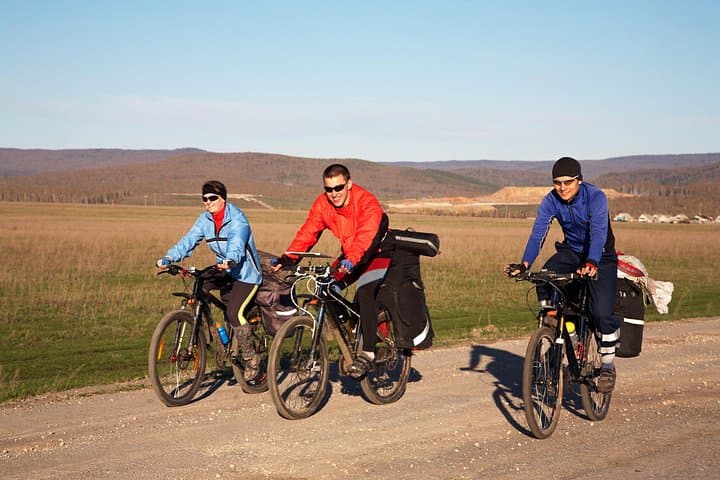
Morning light slides across the white stucco of Amba Mata temple as a small group clips pedals and moves out—wheel hubs humming, scooters and cattle drifting past. The first kilometers leave Udaipur’s palace-lined avenues and open into lanes where children wave from doorsteps, women tend small courtyards and fields of millet and mustard nod in the breeze.
Verified experiences and guided adventures in the surrounding area.
Operated by Le Passage to India · Udaipur, Rajasthan
Morning light slides across the white stucco of Amba Mata temple as a small group clips pedals and moves out—wheel hubs humming, scooters and cattle drifting past. The first kilometers leave Udaipur’s palace-lined avenues and open into lanes where children wave from doorsteps, women tend small courtyards and fields of millet and mustard nod in the breeze.
This route threads the edge of the Aravalli foothills and the network of artificial lakes—Tiger Lake and Fateh Sagar—built over centuries to store monsoon water and define Udaipur’s landscape. The geology here is ancient granitic and gneissic rock of the Aravalli Range, which creates gentle ridges and low elevation changes rather than steep climbs. Culturally, villages in the Mewar region retain visible traditions: painted walls, belt-weaving, and agricultural rhythms shaped by seasonal monsoons.
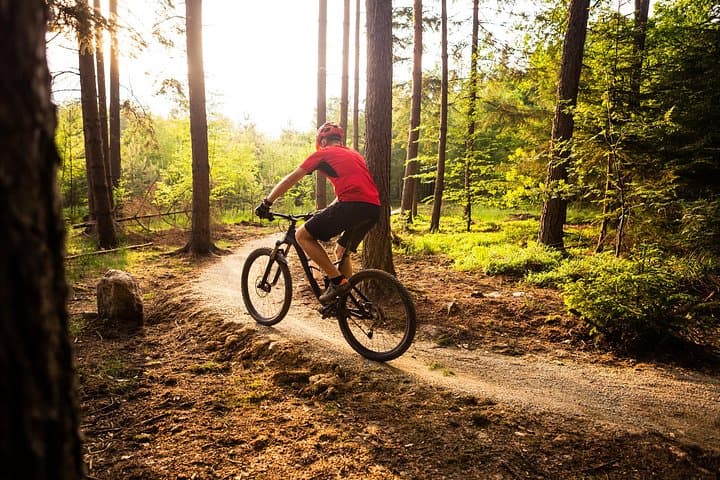
Riders should expect 20–25 km of mixed surfaces in about four hours—largely paved village roads with sections of compact dirt and occasional sandy patches. Elevation gain is modest (roughly 100–200 m cumulative), but local heat and sun make the effort feel tougher midday.
Practical guidance: wear sturdy closed-toe shoes, lightweight long sleeves for sun and temple visits, and carry at least 1–1.5 L of water plus sunscreen. Helmets are provided; bring a small daypack and cash for roadside chai and photography souvenirs. Note temple photography rules and modest dress requirements. This half-day ride delivers close-up village life, easy viewpoints of lakes, and steady photo opportunities—an accessible, tangible way to see Rajasthan beyond the palace façades.
moderate.
3–4 hours.
Moderate fitness—able to ride 20–25 km with short stops and handle brief unpaved sections.
The tour runs about 3–4 hours covering roughly 20–25 km with modest elevation gain; it’s moderate in effort with mostly gentle grades.
Yes—mountain bikes with gears and helmets are included, along with a support porter and backup/first aid.
Children under 14 are not permitted on this specific tour; check with the operator for family options.
Pickup and drop-off from most centrally located hotels in Udaipur are included; out-of-radius hotels may incur a supplement.
Udaipur’s lakes and lining embankments date to the Mewar rulers’ water-management projects; village patterns reflect centuries of agrarian life in the Aravalli foothills.
Watch for litter and avoid single-use plastics—local groups work to protect lake health; staying on roads reduces soil erosion in fragile fields.
Le Passage to India operates guided outdoor trips and adventures with an emphasis on safety, stewardship, and memorable experiences.
Morning light slides across the white stucco of Amba Mata temple as a small group clips pedals and moves out—wheel hubs humming, scooters and cattle drifting past. The first kilometers leave Udaipur’s palace-lined avenues and open into lanes where children wave from doorsteps, women tend small courtyards and fields of millet and mustard nod in the breeze.
Morning light slides across the white stucco of Amba Mata temple as a small group clips pedals and moves out—wheel hubs humming, scooters and cattle drifting past. The first kilometers leave Udaipur’s palace-lined avenues and open into lanes where children wave from doorsteps, women tend small courtyards and fields of millet and mustard nod in the breeze.
This route threads the edge of the Aravalli foothills and the network of artificial lakes—Tiger Lake and Fateh Sagar—built over centuries to store monsoon water and define Udaipur’s landscape. The geology here is ancient granitic and gneissic rock of the Aravalli Range, which creates gentle ridges and low elevation changes rather than steep climbs. Culturally, villages in the Mewar region retain visible traditions: painted walls, belt-weaving, and agricultural rhythms shaped by seasonal monsoons.
Riders should expect 20–25 km of mixed surfaces in about four hours—largely paved village roads with sections of compact dirt and occasional sandy patches. Elevation gain is modest (roughly 100–200 m cumulative), but local heat and sun make the effort feel tougher midday.
Practical guidance: wear sturdy closed-toe shoes, lightweight long sleeves for sun and temple visits, and carry at least 1–1.5 L of water plus sunscreen. Helmets are provided; bring a small daypack and cash for roadside chai and photography souvenirs. Note temple photography rules and modest dress requirements. This half-day ride delivers close-up village life, easy viewpoints of lakes, and steady photo opportunities—an accessible, tangible way to see Rajasthan beyond the palace façades.