THE ADVENTURE COLLECTIVE® · Independent discovery and booking for outdoor travel

An eight‑day road route from Udaipur to Vadodara linking palaces, hilltop Jain temples, UNESCO stepwells and the Statue of Unity. Expect long drives, detailed marble work, and a mix of modern monuments and centuries‑old sites.
An eight‑day road route from Udaipur to Vadodara linking palaces, hilltop Jain temples, UNESCO stepwells and the Statue of Unity. Expect long drives, detailed marble work, and a mix of modern monuments and centuries‑old sites.
The sun lifts over Lake Pichola as the first boats cut glass-smooth water, and the city palace watches like an old ruler greeting a new day.
Verified experiences and guided adventures in the surrounding area.
Operated by Agora Voyages Pvt. Ltd. · Udaipur, Rajasthan
The sun lifts over Lake Pichola as the first boats cut glass-smooth water, and the city palace watches like an old ruler greeting a new day.
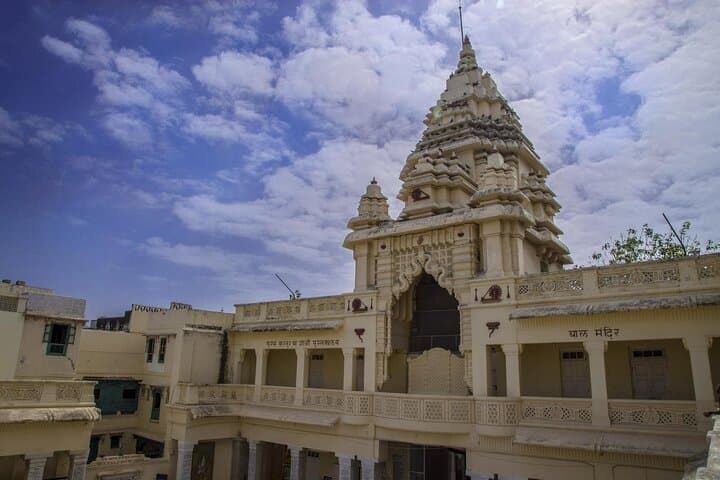
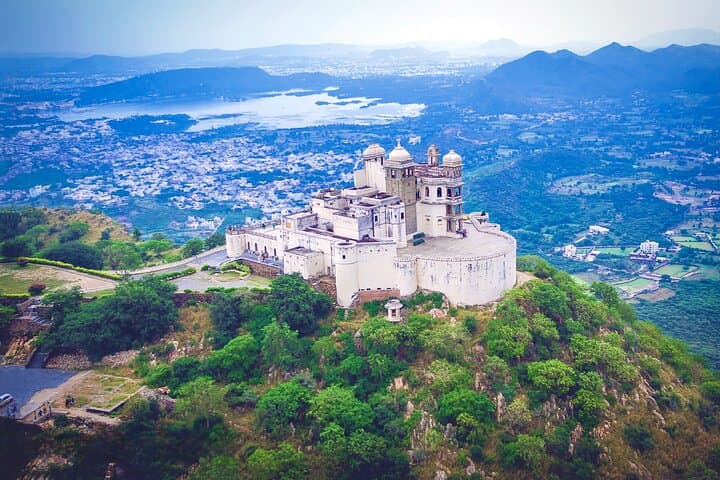
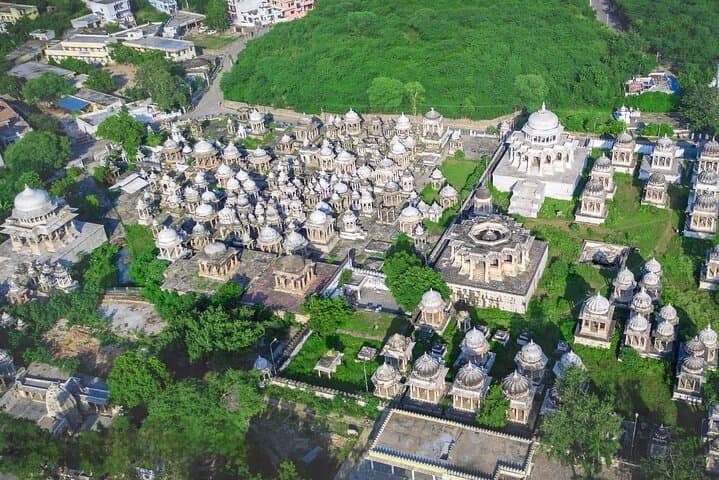
This eight-day route threads through two states—Rajasthan’s lake cities and hilltop temples, then into Gujarat’s stepwells, sun temples and the monumental Statue of Unity. In Udaipur, white marble and carved balconies recall the Mewar courts; Mount Abu’s Dilwara temples reveal millimetre‑fine marble work born of Jain patronage. Moving west, Patan’s Rani ki Vav steps into the ground like an inverted temple, Modhera’s Sun Temple frames light and shadow across stone, and Ahmedabad folds Mughal and modern civic histories into narrow bazaars and broad riverfronts. The tour ends by the Narmada where Sardar Patel’s statue rises above the dam—a modern engineering stage against an old river that seems to dare visitors to look farther.
Geology and human craft meet everywhere: laterite hills at Pavagadh, granite outcrops at Mount Abu, and sandstone façades in Vadodara’s palaces. Local culture is hands-on—textile workshops, evening folk dance, and street food that rewards the cautious eater.
Practical guidance: plan for long drives (several 3–5 hour transfers), midday heat in summer and crowded monuments on festival days. Carry sun protection, a refillable water bottle, and comfortable walking shoes for uneven steps and temple thresholds. Book monument tickets and laser-show slots ahead, and leave flexible time for markets—some of the best discoveries come between scheduled visits.
easy.
7–8 days.
Low-impact: suitable for travelers who can handle multiple short walks and several long drives; minimal fitness required.
Yes—the itinerary notes infant seats and stroller accessibility; however expect long drives between cities so plan breaks and bring entertainment for children.
The listing states monument entrances and activity charges mentioned in the itinerary are included; verify specific sites at booking time for any optional extras.
International travelers should check India visa requirements and routine vaccinations; consult a travel health clinic for region‑specific advice.
This is offered as a private tour—pickups, drop-offs and special requests can usually be arranged at booking, subject to operator confirmation.
The route stitches medieval Rajput courts, Solanki stepwell architecture of Patan, and 20th‑century civic developments in Ahmedabad, reflecting shifting political and religious patronage over a millennium.
Popular sites face wear from heavy footfall; stick to marked paths, avoid littering, and support local guides and conservation fees that fund site maintenance.
Agora Voyages Pvt. Ltd. operates guided outdoor trips and adventures with an emphasis on safety, stewardship, and memorable experiences.
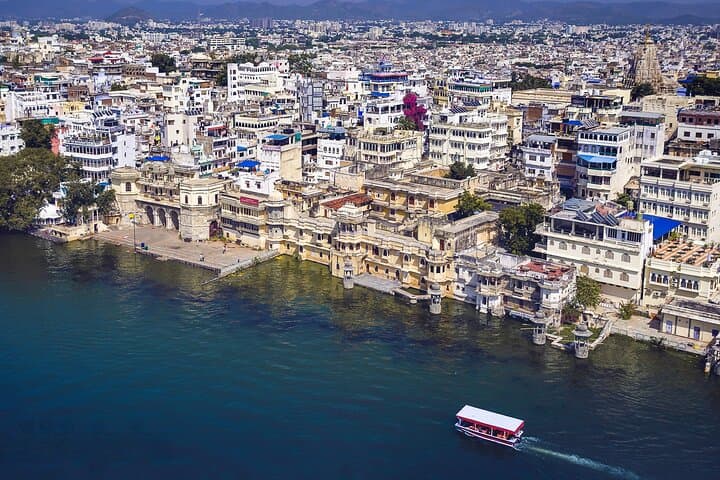
The sun lifts over Lake Pichola as the first boats cut glass-smooth water, and the city palace watches like an old ruler greeting a new day.
The sun lifts over Lake Pichola as the first boats cut glass-smooth water, and the city palace watches like an old ruler greeting a new day.
This eight-day route threads through two states—Rajasthan’s lake cities and hilltop temples, then into Gujarat’s stepwells, sun temples and the monumental Statue of Unity. In Udaipur, white marble and carved balconies recall the Mewar courts; Mount Abu’s Dilwara temples reveal millimetre‑fine marble work born of Jain patronage. Moving west, Patan’s Rani ki Vav steps into the ground like an inverted temple, Modhera’s Sun Temple frames light and shadow across stone, and Ahmedabad folds Mughal and modern civic histories into narrow bazaars and broad riverfronts. The tour ends by the Narmada where Sardar Patel’s statue rises above the dam—a modern engineering stage against an old river that seems to dare visitors to look farther.
Geology and human craft meet everywhere: laterite hills at Pavagadh, granite outcrops at Mount Abu, and sandstone façades in Vadodara’s palaces. Local culture is hands-on—textile workshops, evening folk dance, and street food that rewards the cautious eater.
Practical guidance: plan for long drives (several 3–5 hour transfers), midday heat in summer and crowded monuments on festival days. Carry sun protection, a refillable water bottle, and comfortable walking shoes for uneven steps and temple thresholds. Book monument tickets and laser-show slots ahead, and leave flexible time for markets—some of the best discoveries come between scheduled visits.