THE ADVENTURE COLLECTIVE® · Independent discovery and booking for outdoor travel

Walk Udaipur’s old lanes from Jagdish Temple to Lake Pichola, sampling chai, sweets and traditional crafts. This 2–3 hour guided tour combines market visits, historic architecture and hands-on insights into local making traditions.
Walk Udaipur’s old lanes from Jagdish Temple to Lake Pichola, sampling chai, sweets and traditional crafts. This 2–3 hour guided tour combines market visits, historic architecture and hands-on insights into local making traditions.
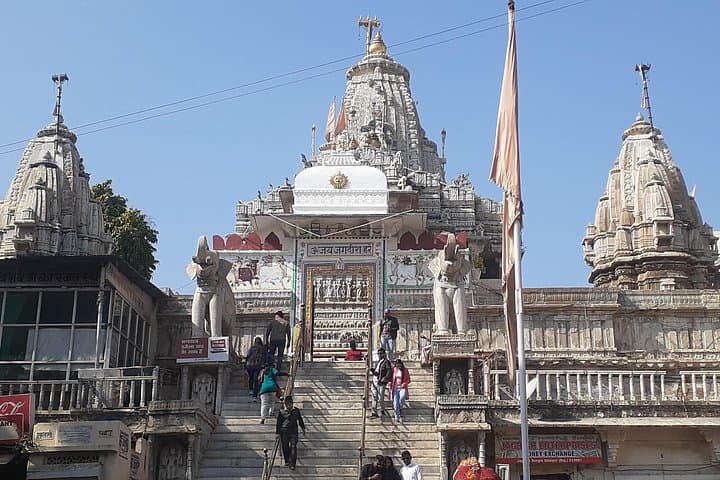
You step off the broad stone stairs at Jagdish Temple and the city shifts beneath your feet—narrow alleys opening to sunlit ghats, vendors arranging spices like color-coded maps, and the slow surface of Lake Pichola reflecting carved balconies.
Verified experiences and guided adventures in the surrounding area.
Operated by Countryside Excursion · Udaipur, Rajasthan
You step off the broad stone stairs at Jagdish Temple and the city shifts beneath your feet—narrow alleys opening to sunlit ghats, vendors arranging spices like color-coded maps, and the slow surface of Lake Pichola reflecting carved balconies.
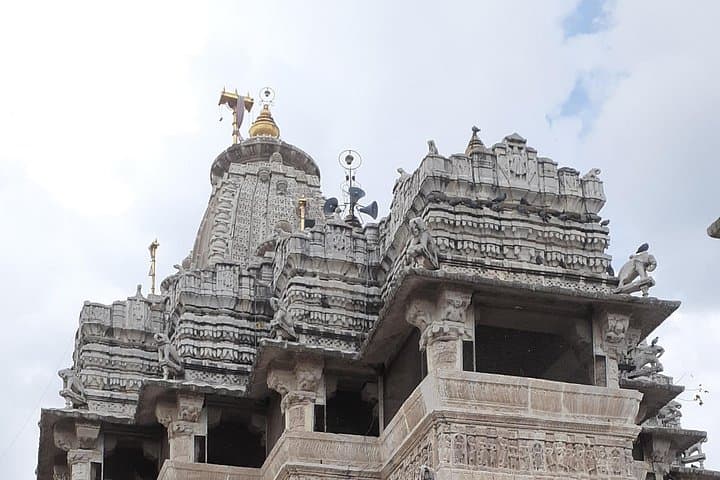
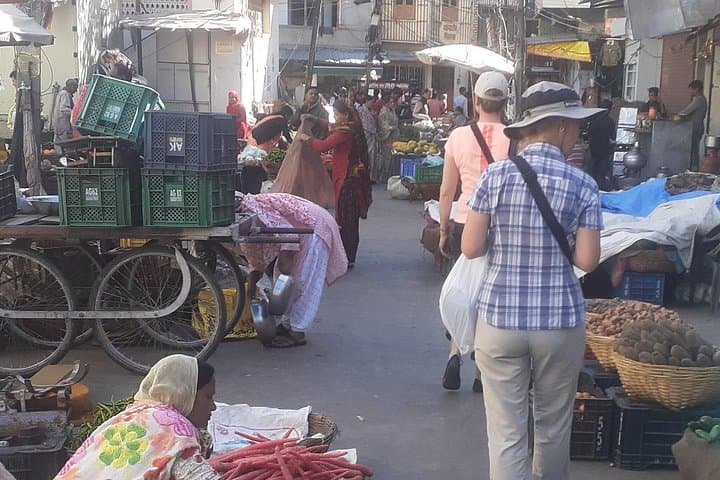
This 2–3 hour guided walk threads through Udaipur’s old temple lanes and residential quarters. Founded by Maharana Udai Singh II in 1553, the city carries the imprint of the Mewar court: ornate havelis, temple carvings and wall paintings that record everyday life across centuries. Jagdish Temple, built in the 17th century, anchors the route while the walk moves outward to vegetable stalls, spice bazaars, pottery yards and the small workshops where metal pots and bamboo baskets are still formed by hand.
Geologically flat plains meet man-made water bodies here—Lake Pichola, created centuries ago, tugs at the shoreline with invitation; the ghats dare you to pause and watch boats ease past palaces and islands.
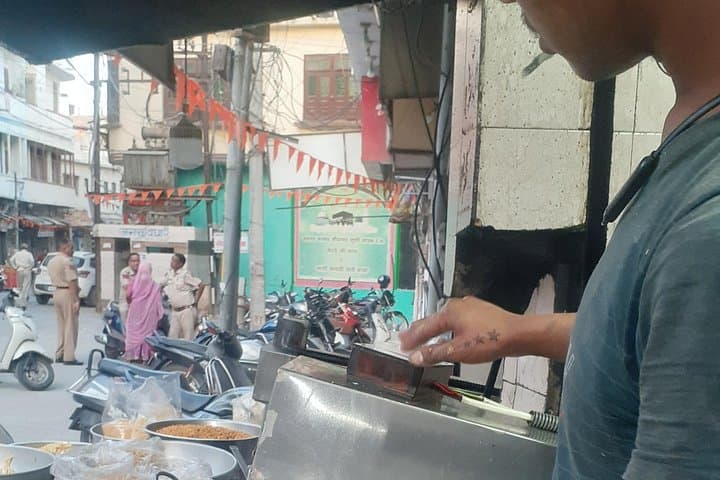
Practically: expect uneven flagstones, tight streets and busy market traffic. The guide will point out techniques for bargaining, explain local wedding-market traditions and arrange tastings—masala chai and regional sweets are included. Start early in summer to avoid peak heat; bring sun protection and comfortable shoes. The route is suitable for most fitness levels but not recommended for travelers with serious spinal, cardiovascular, or pregnancy-related restrictions. Photographs are welcome, but ask before shooting inside homes or at craft tables.
The walk balances storytelling and tangible discoveries—an efficient way to read Udaipur’s social and material history one lane at a time.
easy.
2–3 hours.
Suitable for most fitness levels; able to walk 3–5 km on uneven surfaces with short stops.
The guide meets at the bottom stairs of Jagdish Temple for both the start and finish of the walk.
Bottled water and a masala chai are included; tastings of local sweets are typically provided during market stops.
Yes—it's classified as easy and suitable for most ages, but participants with spinal, cardiovascular conditions or pregnancy should avoid it.
Narrow lanes and steps make strollers and large luggage impractical; travel light for comfort.
Udaipur was founded in 1553 by Maharana Udai Singh II and grew around artificial lakes and royal palaces; Jagdish Temple (17th century) remains a focal point of ritual and craft activity.
Markets can generate plastic waste—bring a reusable bag and support vendors using traditional, biodegradable packaging where possible.
Countryside Excursion operates guided outdoor trips and adventures with an emphasis on safety, stewardship, and memorable experiences.
You step off the broad stone stairs at Jagdish Temple and the city shifts beneath your feet—narrow alleys opening to sunlit ghats, vendors arranging spices like color-coded maps, and the slow surface of Lake Pichola reflecting carved balconies.
You step off the broad stone stairs at Jagdish Temple and the city shifts beneath your feet—narrow alleys opening to sunlit ghats, vendors arranging spices like color-coded maps, and the slow surface of Lake Pichola reflecting carved balconies.
This 2–3 hour guided walk threads through Udaipur’s old temple lanes and residential quarters. Founded by Maharana Udai Singh II in 1553, the city carries the imprint of the Mewar court: ornate havelis, temple carvings and wall paintings that record everyday life across centuries. Jagdish Temple, built in the 17th century, anchors the route while the walk moves outward to vegetable stalls, spice bazaars, pottery yards and the small workshops where metal pots and bamboo baskets are still formed by hand.
Geologically flat plains meet man-made water bodies here—Lake Pichola, created centuries ago, tugs at the shoreline with invitation; the ghats dare you to pause and watch boats ease past palaces and islands.
Practically: expect uneven flagstones, tight streets and busy market traffic. The guide will point out techniques for bargaining, explain local wedding-market traditions and arrange tastings—masala chai and regional sweets are included. Start early in summer to avoid peak heat; bring sun protection and comfortable shoes. The route is suitable for most fitness levels but not recommended for travelers with serious spinal, cardiovascular, or pregnancy-related restrictions. Photographs are welcome, but ask before shooting inside homes or at craft tables.
The walk balances storytelling and tangible discoveries—an efficient way to read Udaipur’s social and material history one lane at a time.