THE ADVENTURE COLLECTIVE® · Independent discovery and booking for outdoor travel

Combine Udaipur’s lakes and palaces with evening and morning leopard safaris in Jawai on this private 5-day tour. Expect cultural visits, scenic drives, and tailored wildlife drives along the Jawai Dam.
Combine Udaipur’s lakes and palaces with evening and morning leopard safaris in Jawai on this private 5-day tour. Expect cultural visits, scenic drives, and tailored wildlife drives along the Jawai Dam.
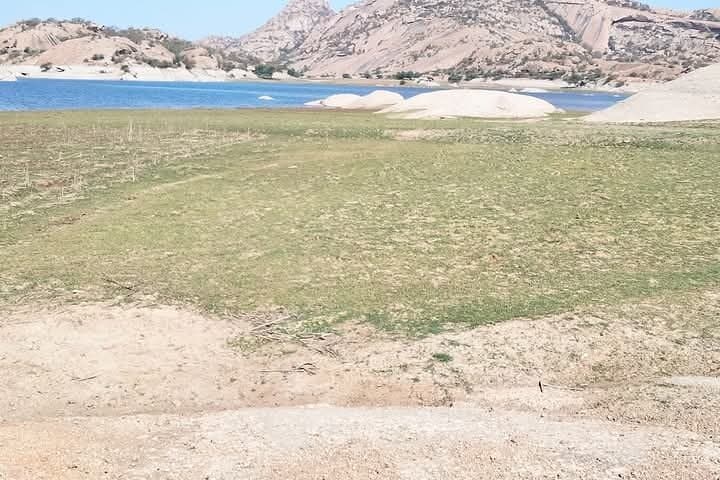
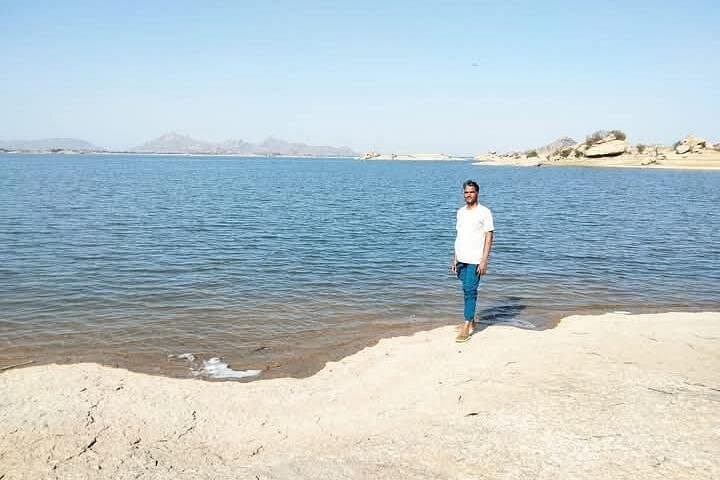
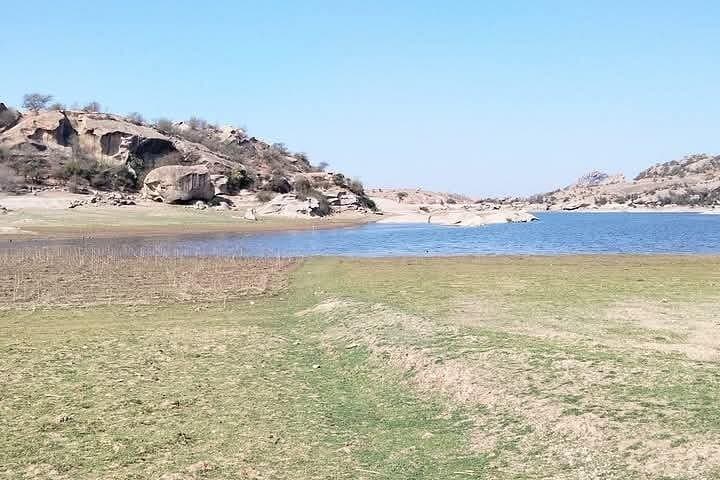
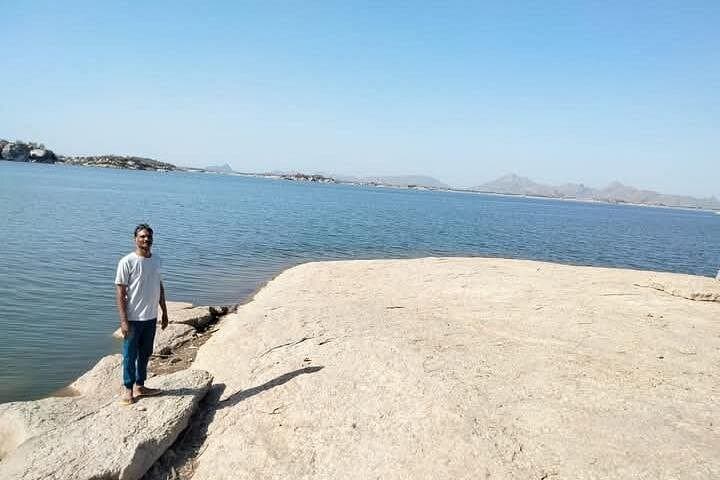
Morning light spills across Lake Pichola as a private cab threads narrow lanes and opens onto carved marble—this is Udaipur, where royal architecture holds the city’s memories and travel onward to dry granite plains signals a different rhythm. After two days among palaces, gardens and lakes, the landscape loosens; the road climbs out of the valley and the scrub of Jawai appears, dotted with boulders that channel water into the dam and create pockets of life on an otherwise arid plain.
Verified experiences and guided adventures in the surrounding area.
Operated by Atlas India Cab · Udaipur, Rajasthan
Morning light spills across Lake Pichola as a private cab threads narrow lanes and opens onto carved marble—this is Udaipur, where royal architecture holds the city’s memories and travel onward to dry granite plains signals a different rhythm. After two days among palaces, gardens and lakes, the landscape loosens; the road climbs out of the valley and the scrub of Jawai appears, dotted with boulders that channel water into the dam and create pockets of life on an otherwise arid plain.
Udaipur’s City Palace and Jagdish Temple reflect centuries of Mewar dynasty craft, while Jawai’s geology—rounded granite tors and seasonal watercourses—creates an islanded wetland that attracts leopards, crocodiles and migratory birds. The Rabari pastoralists share this working landscape; village safaris highlight a culture that lives alongside big cats rather than apart from them.
Practically: the tour runs on private transport with short guided walks and scheduled safaris at dawn and dusk. Expect dusty tracks, open-jeep or SUV game drives along the Jawai Dam shoreline and camera windows that frame leopards using boulders as observation posts. Booking safaris and accommodations in advance is essential during winter migration and peak season.
Pack sun protection and neutral clothing for low-visibility wildlife viewing, plus a light layer for cool desert nights. Carry water and binoculars; follow guide instructions on vehicle placement and noise. If your preference is photography, bring a 200–400mm lens and fast cards—the animals are distant, and patience wins. For first-time visitors, pacing two nights in Udaipur and two in Jawai balances cultural sightseeing with the best wildlife windows.
easy.
5 days (4 nights).
Minimal fitness required—able to climb into a vehicle, walk short uneven trails and endure periods seated on game drives
Yes—children can join but must follow park and vehicle safety rules; confirm vehicle seating and safari age limits with the operator.
Jawai has a strong reputation for leopard sightings, especially at dawn and dusk, but wildlife sightings cannot be guaranteed.
Safari permits and park fees are typically arranged by the operator; confirm which fees are included when you book.
Expect a 3–4 hour drive (approximately 150–160 km) depending on stops and road conditions; plan transfers accordingly.
Udaipur was the seat of the Mewar kingdom; its palaces, temples and lakes reflect centuries of Rajput patronage. Jawai developed as a dam-fed wetland that supports local pastoral life and wildlife.
Jawai is a community conservation success—local pastorals and resorts promote coexistence, but visitors should avoid feeding wildlife and stick to designated tracks to limit disturbance.
Atlas India Cab operates guided outdoor trips and adventures with an emphasis on safety, stewardship, and memorable experiences.
Morning light spills across Lake Pichola as a private cab threads narrow lanes and opens onto carved marble—this is Udaipur, where royal architecture holds the city’s memories and travel onward to dry granite plains signals a different rhythm. After two days among palaces, gardens and lakes, the landscape loosens; the road climbs out of the valley and the scrub of Jawai appears, dotted with boulders that channel water into the dam and create pockets of life on an otherwise arid plain.
Morning light spills across Lake Pichola as a private cab threads narrow lanes and opens onto carved marble—this is Udaipur, where royal architecture holds the city’s memories and travel onward to dry granite plains signals a different rhythm. After two days among palaces, gardens and lakes, the landscape loosens; the road climbs out of the valley and the scrub of Jawai appears, dotted with boulders that channel water into the dam and create pockets of life on an otherwise arid plain.
Udaipur’s City Palace and Jagdish Temple reflect centuries of Mewar dynasty craft, while Jawai’s geology—rounded granite tors and seasonal watercourses—creates an islanded wetland that attracts leopards, crocodiles and migratory birds. The Rabari pastoralists share this working landscape; village safaris highlight a culture that lives alongside big cats rather than apart from them.
Practically: the tour runs on private transport with short guided walks and scheduled safaris at dawn and dusk. Expect dusty tracks, open-jeep or SUV game drives along the Jawai Dam shoreline and camera windows that frame leopards using boulders as observation posts. Booking safaris and accommodations in advance is essential during winter migration and peak season.
Pack sun protection and neutral clothing for low-visibility wildlife viewing, plus a light layer for cool desert nights. Carry water and binoculars; follow guide instructions on vehicle placement and noise. If your preference is photography, bring a 200–400mm lens and fast cards—the animals are distant, and patience wins. For first-time visitors, pacing two nights in Udaipur and two in Jawai balances cultural sightseeing with the best wildlife windows.