THE ADVENTURE COLLECTIVE® · Independent discovery and booking for outdoor travel

Spend a private day sampling Uco Valley’s high-altitude wines, touring two estates, and learning how the Andes and gravel soils shape Malbec and other varietals. This full-day private service focuses on flexibility, cellar insights, and a relaxed regional lunch option.
Spend a private day sampling Uco Valley’s high-altitude wines, touring two estates, and learning how the Andes and gravel soils shape Malbec and other varietals. This full-day private service focuses on flexibility, cellar insights, and a relaxed regional lunch option.
You arrive before the vineyards wake: rows of vines march toward the Andes, the mountain’s shadow pushing sunlight into bright, thin beams across the gravelly soil. Wind brushes the leaves and the valley answers with a dry, mineral scent — the terroir made visible.
Verified experiences and guided adventures in the surrounding area.
Operated by Travel mendoza · Tunuyán, Mendoza Province
You arrive before the vineyards wake: rows of vines march toward the Andes, the mountain’s shadow pushing sunlight into bright, thin beams across the gravelly soil. Wind brushes the leaves and the valley answers with a dry, mineral scent — the terroir made visible.
The Uco Valley sits at high altitude (roughly 900–1,500 m), where glacially derived alluvial soils and a large diurnal temperature swing coax concentrated flavors from Malbec, Cabernet and Chardonnay. Winemaking here blends 19th–20th century immigrant techniques with modern cellar engineering; many estates double as design-forward tasting rooms and working labs for experimental barrels.
Culturally, tastings in Uco are as much about conversation as they are about sips: producers explain irrigation choices, oak regimes and why the Andes dictate harvest timing. The valley’s geology — gravelly river deposits and volcanic pockets — gives wines a stony backbone that shows clearly in blind tests.
On a private full-day tour you typically visit two wineries, take guided cellar tours, sample multiple vintages and often stop for a regional lunch. The service model emphasizes flexibility: pick the estates you prefer or let a guide craft a route.
Practical guidance: aim for an 8-hour window, wear sun protection and comfortable shoes for gravel yards, and budget for purchases and a relaxed lunch. Stay hydrated — the dry air is deceptive — and ask about altitude-sensitive tasting volumes. If mobility is a concern, choose estates that advertise full accessibility. Finally, plan transport back to Mendoza or Tunuyán: private transfers remove the worry of driving post-tasting.
easy.
6–8 hours.
Light walking and standing for tours; suitable for most fitness levels
Most private full-day tours include two wineries, allowing time for guided cellar tours, multiple tastings and a relaxed lunch.
No — even small amounts of alcohol and altitude can impair driving; the tour provides private transportation so you won’t need to drive.
Malbec is the flagship, with notable plantings of Cabernet Sauvignon, Chardonnay and Torrontés, among others adapted to high-altitude conditions.
Yes — private tours usually collect dietary requirements during booking and can arrange alternatives with wineries or local restaurants when given notice.
Irrigation and immigrant winemaking techniques transformed Mendoza in the 19th century; Uco rose in prominence more recently as producers emphasized altitude-driven quality.
Water is scarce in the region; many estates use drip irrigation and sustainable viticulture practices — support producers who prioritize water management and habitat protection.
Travel mendoza operates guided outdoor trips and adventures with an emphasis on safety, stewardship, and memorable experiences.
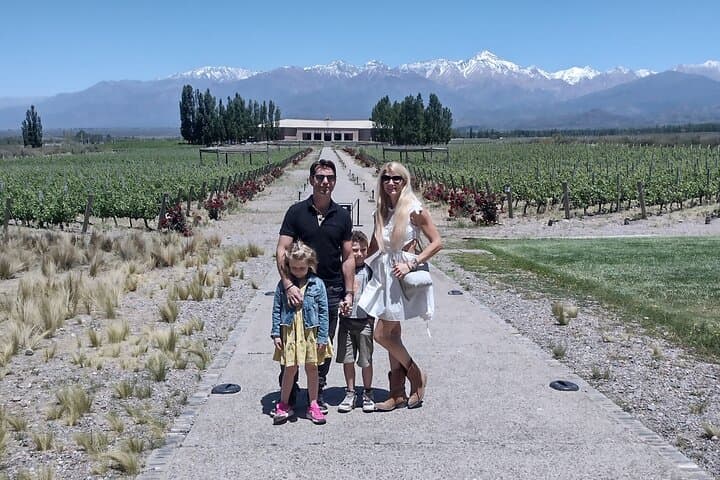
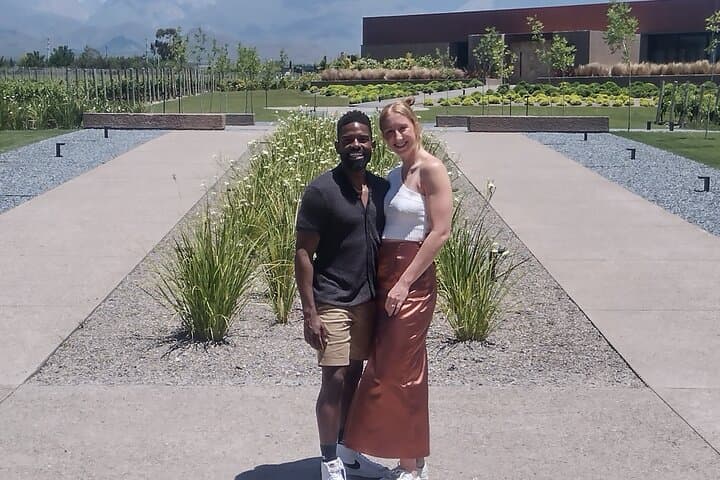
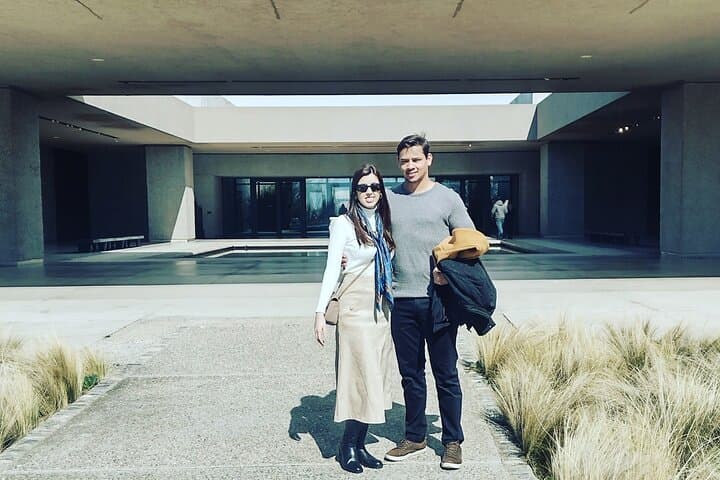
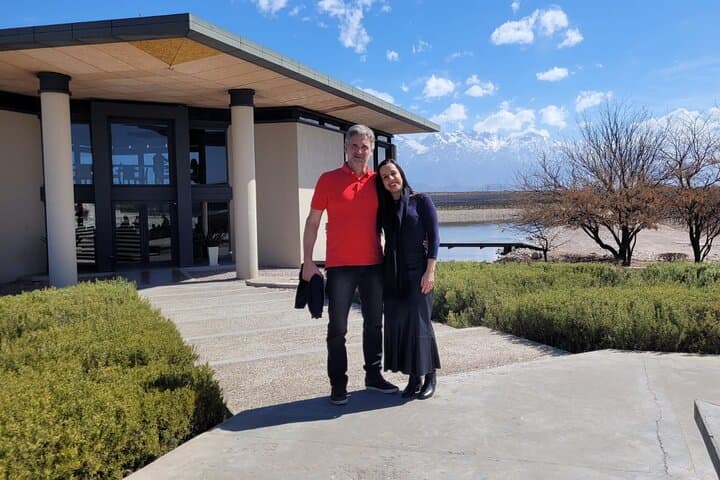
You arrive before the vineyards wake: rows of vines march toward the Andes, the mountain’s shadow pushing sunlight into bright, thin beams across the gravelly soil. Wind brushes the leaves and the valley answers with a dry, mineral scent — the terroir made visible.
You arrive before the vineyards wake: rows of vines march toward the Andes, the mountain’s shadow pushing sunlight into bright, thin beams across the gravelly soil. Wind brushes the leaves and the valley answers with a dry, mineral scent — the terroir made visible.
The Uco Valley sits at high altitude (roughly 900–1,500 m), where glacially derived alluvial soils and a large diurnal temperature swing coax concentrated flavors from Malbec, Cabernet and Chardonnay. Winemaking here blends 19th–20th century immigrant techniques with modern cellar engineering; many estates double as design-forward tasting rooms and working labs for experimental barrels.
Culturally, tastings in Uco are as much about conversation as they are about sips: producers explain irrigation choices, oak regimes and why the Andes dictate harvest timing. The valley’s geology — gravelly river deposits and volcanic pockets — gives wines a stony backbone that shows clearly in blind tests.
On a private full-day tour you typically visit two wineries, take guided cellar tours, sample multiple vintages and often stop for a regional lunch. The service model emphasizes flexibility: pick the estates you prefer or let a guide craft a route.
Practical guidance: aim for an 8-hour window, wear sun protection and comfortable shoes for gravel yards, and budget for purchases and a relaxed lunch. Stay hydrated — the dry air is deceptive — and ask about altitude-sensitive tasting volumes. If mobility is a concern, choose estates that advertise full accessibility. Finally, plan transport back to Mendoza or Tunuyán: private transfers remove the worry of driving post-tasting.