THE ADVENTURE COLLECTIVE® · Independent discovery and booking for outdoor travel

Explore Uco Valley’s high‑altitude vineyards and family-run bodegas on a shared small‑cellar wine tour. Expect tactile explanations of acequias, gravelly soils, and handcrafted Malbecs, plus a cellar lunch with Andes views.
Explore Uco Valley’s high‑altitude vineyards and family-run bodegas on a shared small‑cellar wine tour. Expect tactile explanations of acequias, gravelly soils, and handcrafted Malbecs, plus a cellar lunch with Andes views.
You step out of an air‑conditioned van into a basin of sun and stone: rows of low-trained vines stretch toward a sharp wall of the Andes, irrigation acequias glinting as they supply the desert soil. The air carries dust, cut grass and the bright fruit of Malbec — the vineyard itself seems to lean toward the mountains.
Verified experiences and guided adventures in the surrounding area.
Operated by Peter Wine Tours · Tunuyán, Mendoza
You step out of an air‑conditioned van into a basin of sun and stone: rows of low-trained vines stretch toward a sharp wall of the Andes, irrigation acequias glinting as they supply the desert soil. The air carries dust, cut grass and the bright fruit of Malbec — the vineyard itself seems to lean toward the mountains.
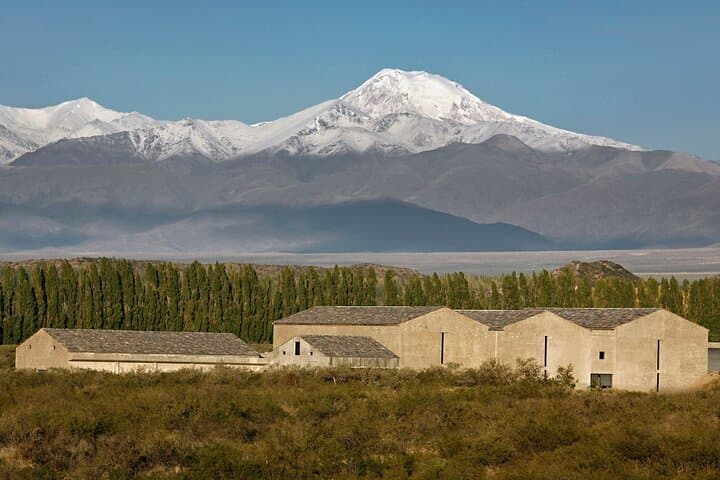
Valle de Uco is one of Mendoza’s younger, rapidly evolving appellations. Vineyards here sit on alluvial fans deposited by Andean rivers; gravelly soils, high altitude (roughly 900–1,200 m), and intense diurnal shifts give Malbecs a firm structure and floral lift. European immigrants planted the first mass vineyards a century ago, but today boutique, family-run bodegas experiment with hand‑harvest and minimal intervention styles.
Cultural notes: tasting is story-driven — producers talk about irrigation canals (acequias), frost risk at spring bloom, and the Italian and French techniques adapted to Argentine sun. Geology matters: you’ll notice pebble-strewn terraces and darker volcanic outcrops where drainage changes the vine’s vigor.
Practical guidance: tours run 8–9 hours with multiple stops, usually including guided tastings and a cellar lunch. Wear closed shoes for gravel and cellar stairs; bring layers as mountain winds can turn cool by late afternoon. Hydrate between tastings and carry a lightweight pack for purchases. Photography is allowed at most estates, but ask before entering production areas.
This shared tour focuses on smaller, handcrafted producers — expect intimate tastings rather than large commercial cellars. If you want deeper technical dialogue, request a small-group or private option when booking.
easy.
8–9 hours.
Suitable for most fitness levels; involves short walks on gravel and cellar stairs.
The shared tour typically runs 8–9 hours (480–540 minutes) including transport, tastings, and lunch.
Yes — guided tastings of handcrafted wines and a lunch are included in the tour price.
Yes — air‑conditioned, wheelchair‑accessible transport and pickup are provided; confirm your pickup point when booking.
Not recommended for pregnant travelers due to alcohol tastings and length of the day.
European immigrants (Italian, Spanish, French) established commercial viticulture here about a century ago; Acequias introduced by earlier settlers still irrigate plots.
Many boutique producers emphasize sustainable practices—regulated water use in acequias and low‑intervention winemaking reduce environmental impact.
Peter Wine Tours operates guided outdoor trips and adventures with an emphasis on safety, stewardship, and memorable experiences.
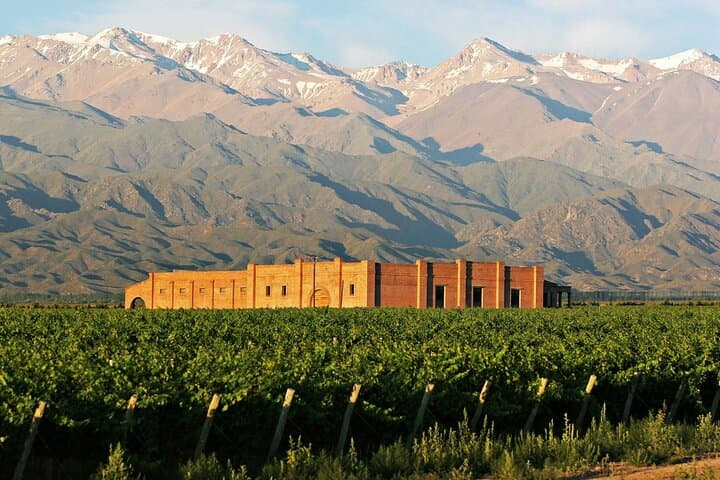
You step out of an air‑conditioned van into a basin of sun and stone: rows of low-trained vines stretch toward a sharp wall of the Andes, irrigation acequias glinting as they supply the desert soil. The air carries dust, cut grass and the bright fruit of Malbec — the vineyard itself seems to lean toward the mountains.
You step out of an air‑conditioned van into a basin of sun and stone: rows of low-trained vines stretch toward a sharp wall of the Andes, irrigation acequias glinting as they supply the desert soil. The air carries dust, cut grass and the bright fruit of Malbec — the vineyard itself seems to lean toward the mountains.
Valle de Uco is one of Mendoza’s younger, rapidly evolving appellations. Vineyards here sit on alluvial fans deposited by Andean rivers; gravelly soils, high altitude (roughly 900–1,200 m), and intense diurnal shifts give Malbecs a firm structure and floral lift. European immigrants planted the first mass vineyards a century ago, but today boutique, family-run bodegas experiment with hand‑harvest and minimal intervention styles.
Cultural notes: tasting is story-driven — producers talk about irrigation canals (acequias), frost risk at spring bloom, and the Italian and French techniques adapted to Argentine sun. Geology matters: you’ll notice pebble-strewn terraces and darker volcanic outcrops where drainage changes the vine’s vigor.
Practical guidance: tours run 8–9 hours with multiple stops, usually including guided tastings and a cellar lunch. Wear closed shoes for gravel and cellar stairs; bring layers as mountain winds can turn cool by late afternoon. Hydrate between tastings and carry a lightweight pack for purchases. Photography is allowed at most estates, but ask before entering production areas.
This shared tour focuses on smaller, handcrafted producers — expect intimate tastings rather than large commercial cellars. If you want deeper technical dialogue, request a small-group or private option when booking.