THE ADVENTURE COLLECTIVE® · Independent discovery and booking for outdoor travel

Spend a full day exploring boutique wineries in Argentina’s Valle de Uco, where small‑batch Malbecs meet Andean panoramas. This shared tour includes tastings, lunch and private transport for a compact yet comprehensive look at Mendoza’s most celebrated wine region.
Spend a full day exploring boutique wineries in Argentina’s Valle de Uco, where small‑batch Malbecs meet Andean panoramas. This shared tour includes tastings, lunch and private transport for a compact yet comprehensive look at Mendoza’s most celebrated wine region.
You step out of the air‑conditioned van into a wide room of light: rows of dark vines stretch toward the Andes, a dry breeze pushing sunlight along the acequias that still feed these fields. The valley opens like a long gallery, grapes ripening on low canes, stone cellars and low-slung family houses dotting the slopes.
Verified experiences and guided adventures in the surrounding area.
Operated by Peter Wine Tours · Tunuyán, Mendoza Province
You step out of the air‑conditioned van into a wide room of light: rows of dark vines stretch toward the Andes, a dry breeze pushing sunlight along the acequias that still feed these fields. The valley opens like a long gallery, grapes ripening on low canes, stone cellars and low-slung family houses dotting the slopes.
This is Valle de Uco — one of the world’s premier Malbec regions where Italian, Spanish and French immigrants planted vines a century ago and handed down small estates and cellar techniques. Geology here matters: alluvial soils, gravel benches and elevations commonly between 900–1,500 m create cool nights and intense daytime sun that sharpen Malbec’s fruit and tannin.
Culture in the valley is hands-on and familial; boutique bodegas prize small‑batch fermentation and barrel selection. The acequias (traditional irrigation canals) still control water, making irrigation a visible, daily craft.
Practical guidance: tours run 8–9 hours and include private transport, a guided tasting itinerary, and lunch. Expect short walks on gravel and between tasting rooms—sturdy shoes are useful but no technical gear required. Sun protection and hydration are essential: at these elevations the sun is strong and the air dry. Pace tastings to compare styles — older vines vs new plantings — and use the lunch break to reset your palate.
Bring an ID if required for tastings, a camera, and a light layer for afternoon winds. The payoff is simple: poured glass in hand, Andes on the ridge, and a clear sense of how place shapes the wine.
easy.
8–9 hours.
Suitable for most fitness levels; mostly seated with short, easy walks between cellars and terraces.
Yes — the shared tour includes multiple tastings and a provided lunch as noted in the itinerary.
Yes — the tour includes private air‑conditioned transport; pickup point will be arranged at booking.
Typically yes; indicate dietary needs when booking so lunch can be planned accordingly.
The operator notes wheelchair accessibility for transport and many surfaces, but accessibility within individual wineries can vary — notify the provider in advance.
Valle de Uco’s modern wine identity grew from 19th–20th century European immigration; family plots and traditional acequia irrigation shaped vineyard patterns still visible today.
Water use is a constant concern; many boutique producers practice careful irrigation management and sustainable viticulture to protect local aquifers and soils.
Peter Wine Tours operates guided outdoor trips and adventures with an emphasis on safety, stewardship, and memorable experiences.
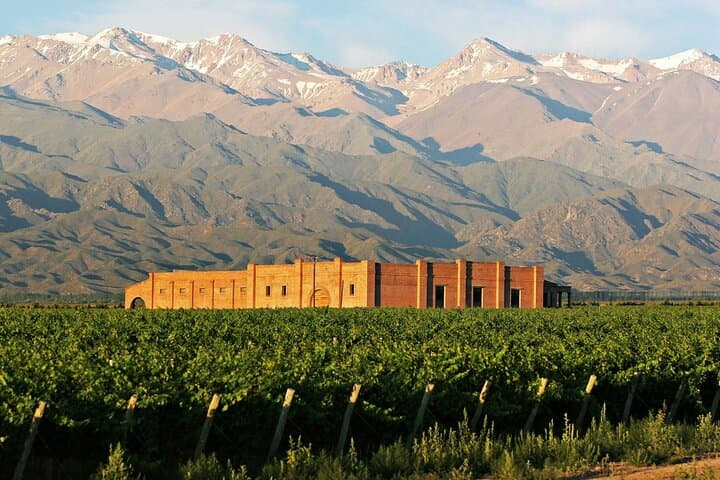
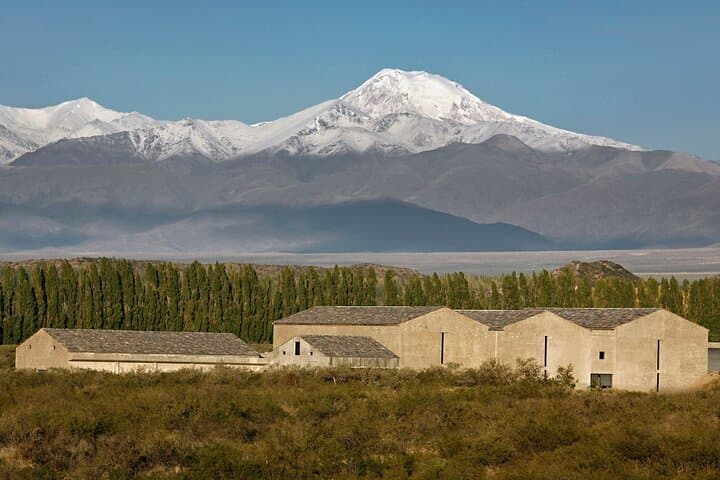
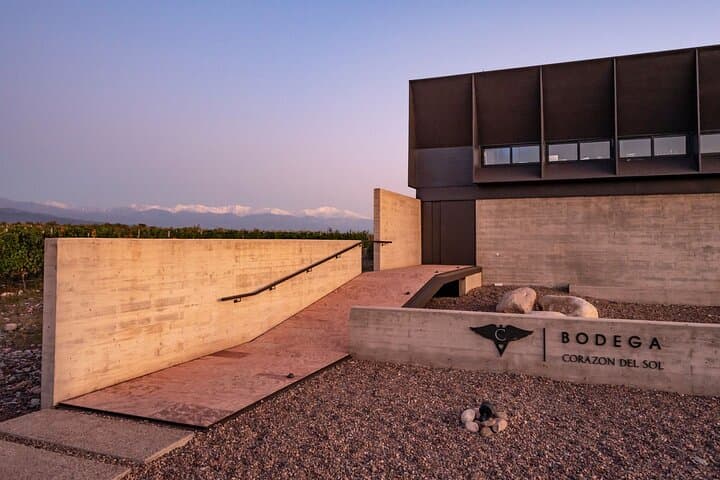
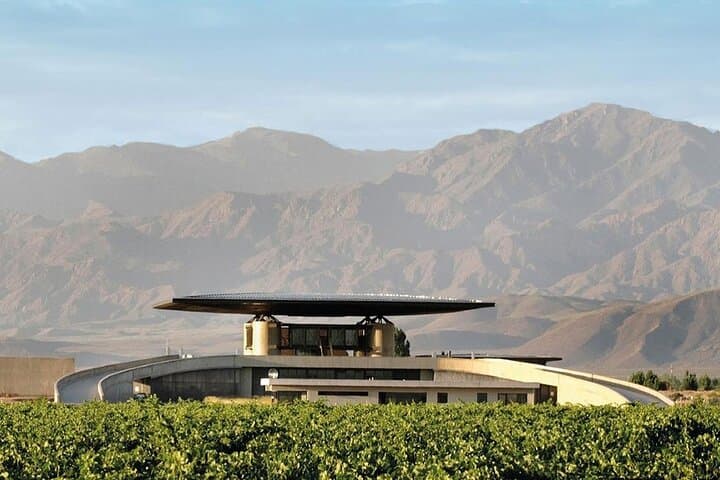
You step out of the air‑conditioned van into a wide room of light: rows of dark vines stretch toward the Andes, a dry breeze pushing sunlight along the acequias that still feed these fields. The valley opens like a long gallery, grapes ripening on low canes, stone cellars and low-slung family houses dotting the slopes.
You step out of the air‑conditioned van into a wide room of light: rows of dark vines stretch toward the Andes, a dry breeze pushing sunlight along the acequias that still feed these fields. The valley opens like a long gallery, grapes ripening on low canes, stone cellars and low-slung family houses dotting the slopes.
This is Valle de Uco — one of the world’s premier Malbec regions where Italian, Spanish and French immigrants planted vines a century ago and handed down small estates and cellar techniques. Geology here matters: alluvial soils, gravel benches and elevations commonly between 900–1,500 m create cool nights and intense daytime sun that sharpen Malbec’s fruit and tannin.
Culture in the valley is hands-on and familial; boutique bodegas prize small‑batch fermentation and barrel selection. The acequias (traditional irrigation canals) still control water, making irrigation a visible, daily craft.
Practical guidance: tours run 8–9 hours and include private transport, a guided tasting itinerary, and lunch. Expect short walks on gravel and between tasting rooms—sturdy shoes are useful but no technical gear required. Sun protection and hydration are essential: at these elevations the sun is strong and the air dry. Pace tastings to compare styles — older vines vs new plantings — and use the lunch break to reset your palate.
Bring an ID if required for tastings, a camera, and a light layer for afternoon winds. The payoff is simple: poured glass in hand, Andes on the ridge, and a clear sense of how place shapes the wine.