THE ADVENTURE COLLECTIVE® · Independent discovery and booking for outdoor travel

A private full- or half-day tour that pairs Ubud’s iconic rice terraces with sacred water temples and refreshing waterfalls. Ideal for travelers who want cultural context, flexible pacing, and easy access to Bali’s most photographed landscapes.
A private full- or half-day tour that pairs Ubud’s iconic rice terraces with sacred water temples and refreshing waterfalls. Ideal for travelers who want cultural context, flexible pacing, and easy access to Bali’s most photographed landscapes.
You arrive on a narrow lane framed by palm trunks; the air is warm and humid, and the distant roar of a waterfall hints at the day ahead. The private tour moves at your pace—first through tiered rice fields that step away from the village like green terraces carved into the hillside, then to a stone water temple where priests still perform purification rites.
Verified experiences and guided adventures in the surrounding area.
Operated by bali exploration · Ubud, Bali
You arrive on a narrow lane framed by palm trunks; the air is warm and humid, and the distant roar of a waterfall hints at the day ahead. The private tour moves at your pace—first through tiered rice fields that step away from the village like green terraces carved into the hillside, then to a stone water temple where priests still perform purification rites.
Geology here is volcanic: black basalt and ash soils create the fertile surfaces that feed those rice terraces, while rivers have cut deep gullies that host plunge pools and cascades. The rice terraces are part of a centuries-old Subak irrigation system recognized by UNESCO; terraces and temples are tightly interwoven with local agrarian and Hindu-Balinese culture.
You’ll see carved stone gateways, temple courtyards where offerings are placed each morning, and guide-led explanations of the water temples’ role in community water management. Waterfalls on the route vary—some are easy-to-access cascades with shallow basins, others drop into secluded pools shaded by rainforest.
Practical guidance: plan for a 5–10 hour outing with vehicle transfers between sites; expect short walks on uneven steps and muddy paths near falls. Bring a sarong or use the provided one for temple entry, quick-dry clothing for splash-prone stops, sturdy sandals or light hiking shoes, and a refillable water bottle. Morning departures avoid midday heat and crowds; during the wet season trails can be slippery and river levels higher, so follow your guide’s advice on swimming. With a private guide and air-conditioned transport, the tour balances cultural interpretation with flexible time at each site—ideal for travelers seeking both landscape and context.
easy.
5–10 hours.
Light to moderate fitness; able to walk short uneven sections and climb steps.
Some itinerary options include admission; confirm at booking—your guide will note which sites require separate fees.
Many waterfalls have safe swimming basins, but conditions vary—always follow your guide’s local assessment of currents and depth.
Yes—this private tour is suitable for most ages, though participants should manage short uneven walks and stairs.
A sarong is required for temple entry; the operator typically provides one, but bringing your own ensures a proper fit.
The Subak irrigation system and associated temples date back centuries and are organized communally; water temples were central to rice cultivation and social governance.
Visitors should stick to marked paths to prevent erosion of fragile terraces and avoid leaving plastic—local guides often support village conservation initiatives and sustainable tourism fees.
bali exploration operates guided outdoor trips and adventures with an emphasis on safety, stewardship, and memorable experiences.
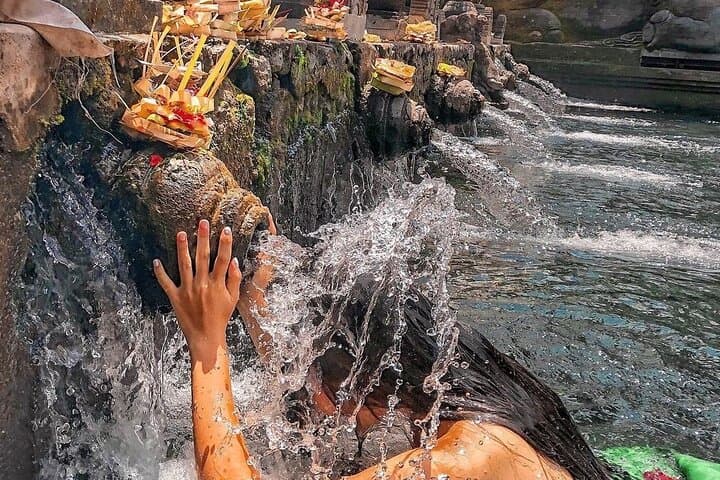
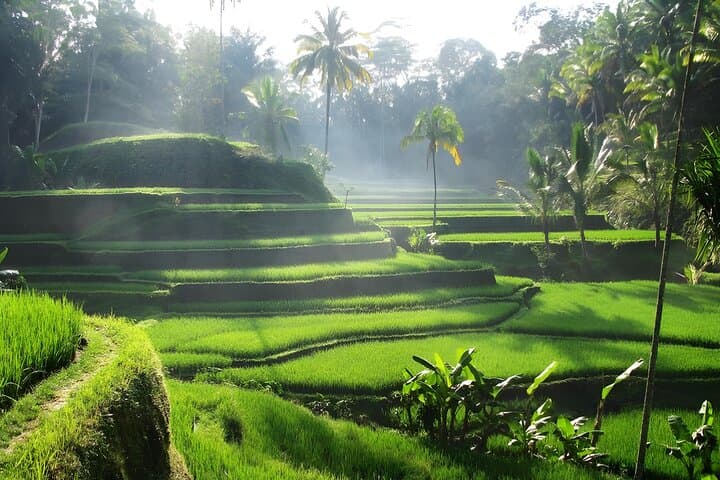
You arrive on a narrow lane framed by palm trunks; the air is warm and humid, and the distant roar of a waterfall hints at the day ahead. The private tour moves at your pace—first through tiered rice fields that step away from the village like green terraces carved into the hillside, then to a stone water temple where priests still perform purification rites.
You arrive on a narrow lane framed by palm trunks; the air is warm and humid, and the distant roar of a waterfall hints at the day ahead. The private tour moves at your pace—first through tiered rice fields that step away from the village like green terraces carved into the hillside, then to a stone water temple where priests still perform purification rites.
Geology here is volcanic: black basalt and ash soils create the fertile surfaces that feed those rice terraces, while rivers have cut deep gullies that host plunge pools and cascades. The rice terraces are part of a centuries-old Subak irrigation system recognized by UNESCO; terraces and temples are tightly interwoven with local agrarian and Hindu-Balinese culture.
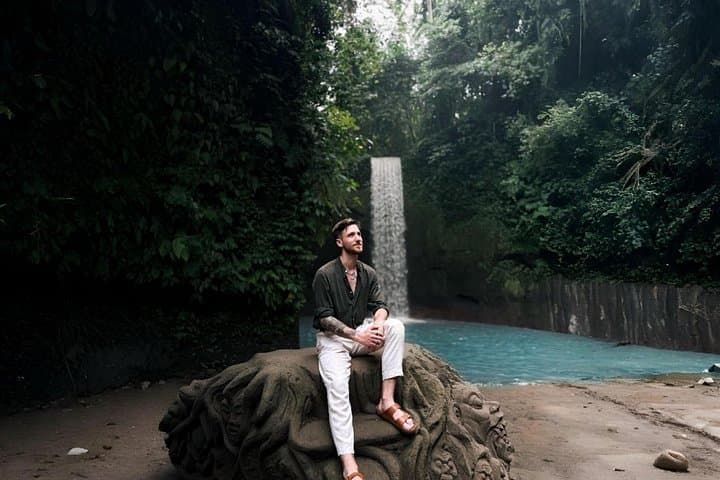
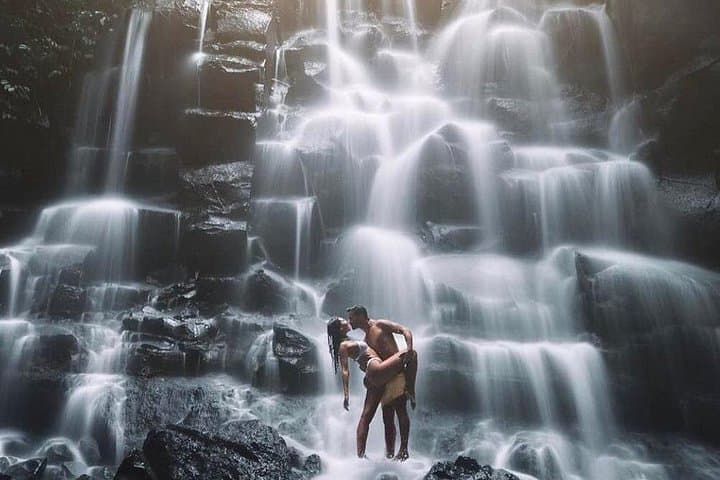
You’ll see carved stone gateways, temple courtyards where offerings are placed each morning, and guide-led explanations of the water temples’ role in community water management. Waterfalls on the route vary—some are easy-to-access cascades with shallow basins, others drop into secluded pools shaded by rainforest.
Practical guidance: plan for a 5–10 hour outing with vehicle transfers between sites; expect short walks on uneven steps and muddy paths near falls. Bring a sarong or use the provided one for temple entry, quick-dry clothing for splash-prone stops, sturdy sandals or light hiking shoes, and a refillable water bottle. Morning departures avoid midday heat and crowds; during the wet season trails can be slippery and river levels higher, so follow your guide’s advice on swimming. With a private guide and air-conditioned transport, the tour balances cultural interpretation with flexible time at each site—ideal for travelers seeking both landscape and context.