THE ADVENTURE COLLECTIVE® · Independent discovery and booking for outdoor travel

A private full‑day tour from Ubud that links three distinct waterfalls with Tirta Empul temple and the Tegalalang rice terraces. Expect short hikes, stair descents, ritual spring water, and strong photo opportunities in varied light.
A private full‑day tour from Ubud that links three distinct waterfalls with Tirta Empul temple and the Tegalalang rice terraces. Expect short hikes, stair descents, ritual spring water, and strong photo opportunities in varied light.
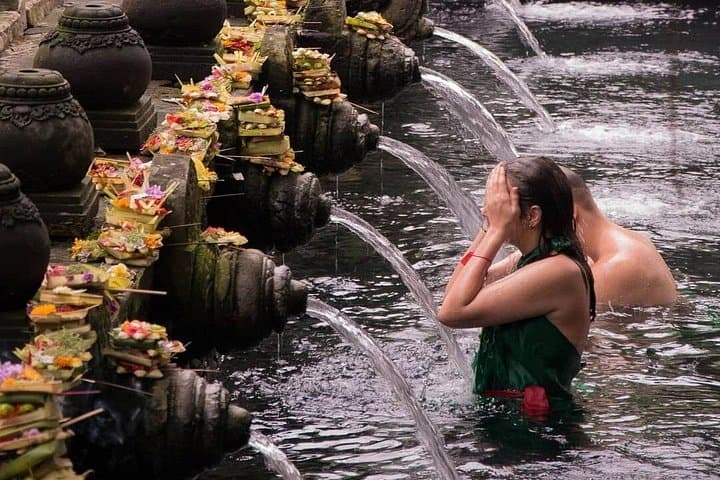
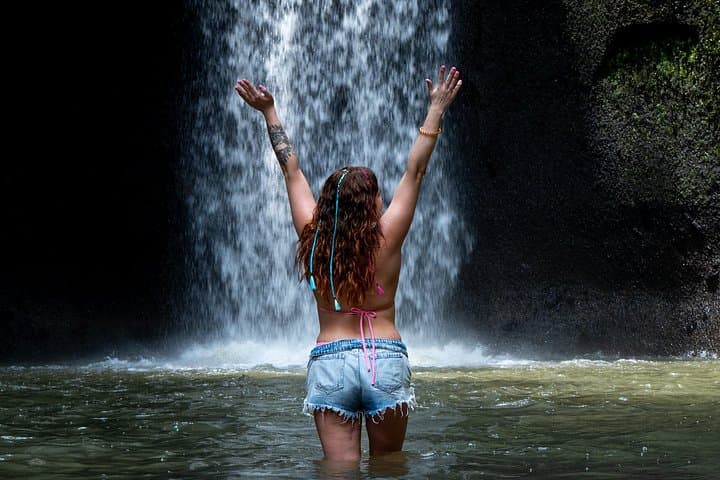
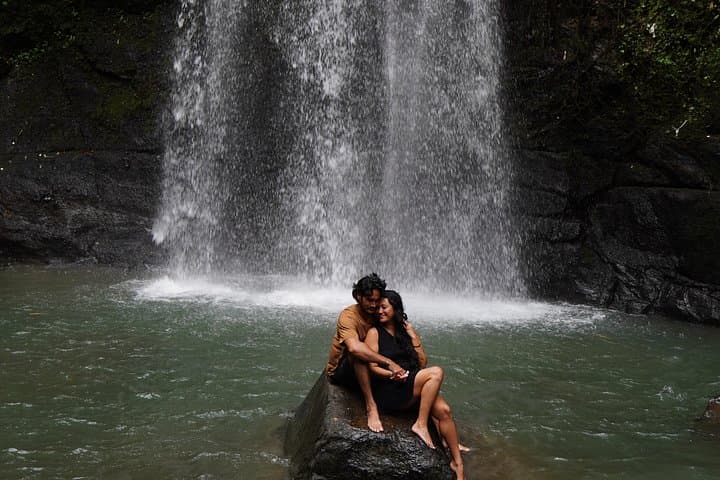
The first light filters through palm crowns as an air‑conditioned car eases away from Ubud, the road winding toward cliffs and river gorges where water insists on movement. The day unfolds as a sequence of drops and pools: Kanto Lampo’s stepped cascades, Tibumana’s framed curtain, Tukad Cepung’s shaft of light inside a cliff, and the cool, ritual basins of Tirta Empul. Each site feels like a different note in the same watery score—some bold and thunderous, some hushed and reflective.
Verified experiences and guided adventures in the surrounding area.
Operated by Bali Sunrise Hike · Ubud, Bali
The first light filters through palm crowns as an air‑conditioned car eases away from Ubud, the road winding toward cliffs and river gorges where water insists on movement. The day unfolds as a sequence of drops and pools: Kanto Lampo’s stepped cascades, Tibumana’s framed curtain, Tukad Cepung’s shaft of light inside a cliff, and the cool, ritual basins of Tirta Empul. Each site feels like a different note in the same watery score—some bold and thunderous, some hushed and reflective.
Geologically these falls trace soft volcanic deposits and river incision through Bali’s uplifted landscape; caves and overhangs at Tukad Cepung are local examples of how water carves and reveals. Culturally the route leads to Tirta Empul, a 10th‑century temple where spring water is used for purification—visitors may observe or join the ritual with respect. Tegalalang showcases Subak irrigation, a centuries‑old cooperative system that shaped Bali’s agrarian life.
Practical guidance: expect short stair descents and uneven stone paths at each waterfall—good footing and steady balance matter more than endurance. Bring quick‑dry clothing, water, and a small daypack for camera gear; a local guide or private driver times visits to avoid midday crowds and explains temple etiquette. Plan for roughly 10 hours including transfers; wear water‑friendly shoes for stream crossings, and carry cash for small entrance fees and local warungs. Rain can move in sudden bursts—layers and a lightweight rain shell keep the day flexible.
This private itinerary gives a compact, accessible way to experience Ubud’s water sites, combining natural drama with cultural context and clear, manageable logistics.
easy.
10 hours.
Minimal fitness required—able to climb stairs and handle short uneven trails; suitable for most ages.
This private tour includes entrance tickets for the listed waterfalls, Tirta Empul, and Tegalalang as noted in the itinerary.
Yes—visitors may join the purification if they follow local protocols: modest dress, respectful behavior, and the sequence of basins guided by temple staff or your guide.
Generally yes—activities involve short walks and stairs rather than long hikes; notify the operator of mobility concerns so pickups and pacing can be adjusted.
Wear swimwear under modest clothing for the temple, and non‑slip shoes for the falls; at Tirta Empul bring a sarong or borrow one at the site when required.
Tirta Empul dates to the 10th century and is built around a spring long revered for ritual purification; the Subak system at Tegalalang reflects Bali’s communal irrigation traditions.
Stick to marked paths, avoid trampling rice terraces, and minimize plastic waste; local livelihoods depend on respectful tourism and clean waterways.
Bali Sunrise Hike operates guided outdoor trips and adventures with an emphasis on safety, stewardship, and memorable experiences.

The first light filters through palm crowns as an air‑conditioned car eases away from Ubud, the road winding toward cliffs and river gorges where water insists on movement. The day unfolds as a sequence of drops and pools: Kanto Lampo’s stepped cascades, Tibumana’s framed curtain, Tukad Cepung’s shaft of light inside a cliff, and the cool, ritual basins of Tirta Empul. Each site feels like a different note in the same watery score—some bold and thunderous, some hushed and reflective.
The first light filters through palm crowns as an air‑conditioned car eases away from Ubud, the road winding toward cliffs and river gorges where water insists on movement. The day unfolds as a sequence of drops and pools: Kanto Lampo’s stepped cascades, Tibumana’s framed curtain, Tukad Cepung’s shaft of light inside a cliff, and the cool, ritual basins of Tirta Empul. Each site feels like a different note in the same watery score—some bold and thunderous, some hushed and reflective.
Geologically these falls trace soft volcanic deposits and river incision through Bali’s uplifted landscape; caves and overhangs at Tukad Cepung are local examples of how water carves and reveals. Culturally the route leads to Tirta Empul, a 10th‑century temple where spring water is used for purification—visitors may observe or join the ritual with respect. Tegalalang showcases Subak irrigation, a centuries‑old cooperative system that shaped Bali’s agrarian life.
Practical guidance: expect short stair descents and uneven stone paths at each waterfall—good footing and steady balance matter more than endurance. Bring quick‑dry clothing, water, and a small daypack for camera gear; a local guide or private driver times visits to avoid midday crowds and explains temple etiquette. Plan for roughly 10 hours including transfers; wear water‑friendly shoes for stream crossings, and carry cash for small entrance fees and local warungs. Rain can move in sudden bursts—layers and a lightweight rain shell keep the day flexible.
This private itinerary gives a compact, accessible way to experience Ubud’s water sites, combining natural drama with cultural context and clear, manageable logistics.