THE ADVENTURE COLLECTIVE® · Independent discovery and booking for outdoor travel

Spend a day exploring Ubud’s natural and spiritual highlights: cascading waterfalls, sculpted rice terraces, a coffee plantation, and the holy pools of Tirta Empul. This private tour balances active exploration with cultural context and local insight.
Spend a day exploring Ubud’s natural and spiritual highlights: cascading waterfalls, sculpted rice terraces, a coffee plantation, and the holy pools of Tirta Empul. This private tour balances active exploration with cultural context and local insight.
Morning light in central Bali arrives like a slow exhale: humid air lifting off rice paddies, motorbikes breathing along narrow roads, and the distant clap of a waterfall that seems to pull the valley toward it. On a private Ubud tour that stitches together Kanto Lampo and Tibumana waterfalls, the sculpted steps of Tegallalang, a coffee plantation stop, and the cleansing pools of Tirta Empul, you move through a landscape that alternates between energetic and devotional.
Verified experiences and guided adventures in the surrounding area.
Operated by Komang Rapi · Ubud, Bali
Morning light in central Bali arrives like a slow exhale: humid air lifting off rice paddies, motorbikes breathing along narrow roads, and the distant clap of a waterfall that seems to pull the valley toward it. On a private Ubud tour that stitches together Kanto Lampo and Tibumana waterfalls, the sculpted steps of Tegallalang, a coffee plantation stop, and the cleansing pools of Tirta Empul, you move through a landscape that alternates between energetic and devotional.
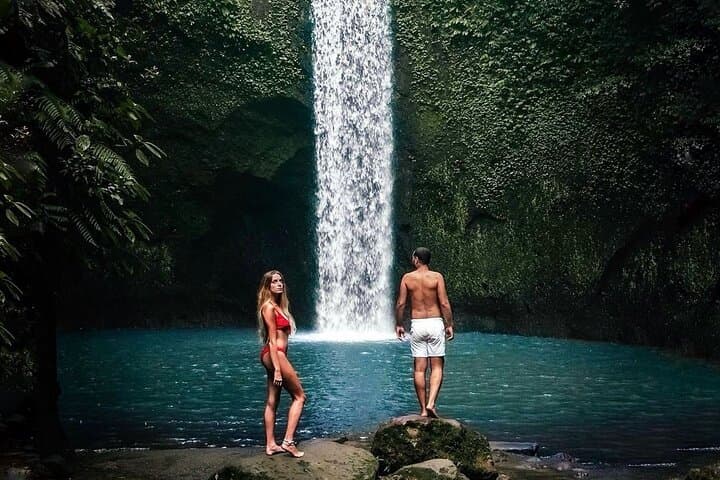
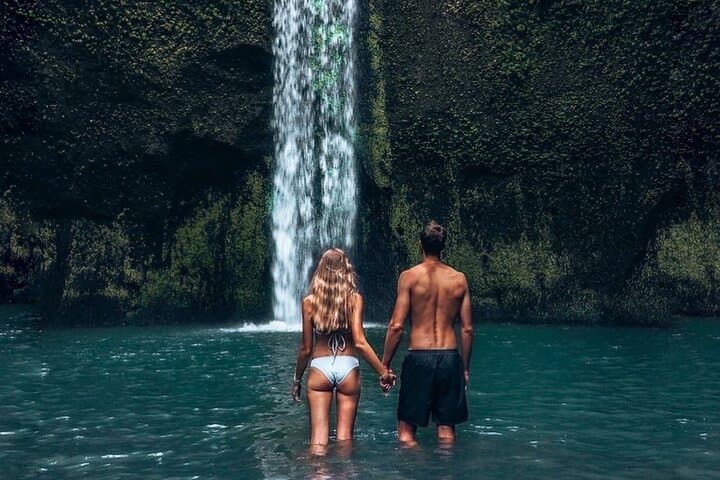
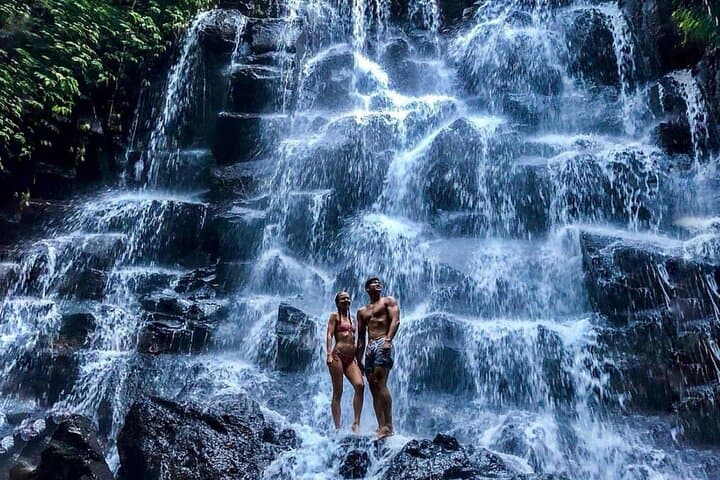
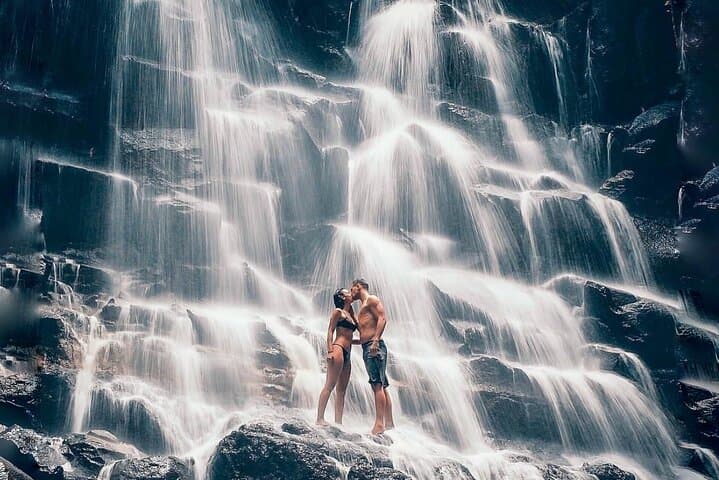
Kanto Lampo greets you first with water that obeys gravity in a series of polished stone ribbons, each tier sending a cool mist that tests your sunglasses. Tibumana is quieter — a curtain of water that drops into a bowl of stillness where the jungle leans in close. Tegallalang’s terraces are human geology: centuries of subak irrigation made visible in narrow contours of lime-green. And at Tirta Empul, steam and ritual meet; the temple’s springs have been a place of purification since the tenth century, when Balinese rulers consolidated both political and religious authority around sacred water.
Bali’s volcanic soils and monsoon-fed climate shape everything you’ll see. Lava born of ancient eruptions created the undulating terraces and channel-able earth; seasonal rains bring torrents that swell the falls and feed rice cycles timed to ceremonial calendars. Culturally, the day blends agrarian practice with living Hinduism: farmers and priests still coordinate planting with temple ceremonies, and the soft clack of a rice-sickle belongs as much to the soundscape as birdsong.
Practicalities take over smoothly. This private tour runs about nine to ten hours with hotel pickup in Ubud; expect multiple short walks, some uneven steps, and stretches of muddy trail after rain. Guides typically provide a sarong for temple visits, but bring quick-dry layers if you plan to swim. Wear sturdy sandals or light hiking shoes for slippery rocks. Bring cash for small entrance fees and coffee tastings; most sites are informal with local vendors selling snacks and souvenirs.
Timing matters: waterfalls are at their most dramatic after rain but also muddier; early starts mean fewer crowds at Tegallalang and a more reflective experience at Tirta Empul. Hydrate frequently — humidity can erode energy faster than distance — and keep an eye on footwear traction when exploring pools. If you want photographs, ask your guide to aim for softer morning or late-afternoon light.
This is a day of contrasts: water that both cleanses and exhilarates, fields carved by human hands that continue to feed communities, and a cultural rhythm that invites respectful curiosity. Taken together, the tour offers more than checklist sightseeing — it gives a sense of how landscape, belief, and everyday labor shape modern Bali.
moderate.
9–10 hours.
Moderate fitness — able to handle several short hikes, steps, and uneven terrain across the day.
Yes — most bookings include hotel pickup around Ubud; operators ask for your hotel name and address at checkout.
Yes at Kanto Lampo and Tibumana in calmer pools, but conditions vary after rain — follow your guide’s advice for safety.
Guides commonly provide sarongs and sashes for temple entry, but you can bring your own for comfort.
Some tours include admission; check your booking — bring small cash for any onsite fees or donations if not covered.
Not recommended for pregnant travelers or those with serious back/heart conditions; children can join but require supervision around water.
This private tour typically includes an English-speaking guide; confirm when booking for other languages.
The subak irrigation system around Tegallalang is centuries old and reflects Bali’s cooperative agricultural practices tied to temple rituals.
Visitors should stick to marked paths, avoid feeding wildlife, and carry out trash — local communities rely on sustainable tourism to protect water sources and terraces.
Komang Rapi operates guided outdoor trips and adventures with an emphasis on safety, stewardship, and memorable experiences.
Morning light in central Bali arrives like a slow exhale: humid air lifting off rice paddies, motorbikes breathing along narrow roads, and the distant clap of a waterfall that seems to pull the valley toward it. On a private Ubud tour that stitches together Kanto Lampo and Tibumana waterfalls, the sculpted steps of Tegallalang, a coffee plantation stop, and the cleansing pools of Tirta Empul, you move through a landscape that alternates between energetic and devotional.
Morning light in central Bali arrives like a slow exhale: humid air lifting off rice paddies, motorbikes breathing along narrow roads, and the distant clap of a waterfall that seems to pull the valley toward it. On a private Ubud tour that stitches together Kanto Lampo and Tibumana waterfalls, the sculpted steps of Tegallalang, a coffee plantation stop, and the cleansing pools of Tirta Empul, you move through a landscape that alternates between energetic and devotional.
Kanto Lampo greets you first with water that obeys gravity in a series of polished stone ribbons, each tier sending a cool mist that tests your sunglasses. Tibumana is quieter — a curtain of water that drops into a bowl of stillness where the jungle leans in close. Tegallalang’s terraces are human geology: centuries of subak irrigation made visible in narrow contours of lime-green. And at Tirta Empul, steam and ritual meet; the temple’s springs have been a place of purification since the tenth century, when Balinese rulers consolidated both political and religious authority around sacred water.
Bali’s volcanic soils and monsoon-fed climate shape everything you’ll see. Lava born of ancient eruptions created the undulating terraces and channel-able earth; seasonal rains bring torrents that swell the falls and feed rice cycles timed to ceremonial calendars. Culturally, the day blends agrarian practice with living Hinduism: farmers and priests still coordinate planting with temple ceremonies, and the soft clack of a rice-sickle belongs as much to the soundscape as birdsong.
Practicalities take over smoothly. This private tour runs about nine to ten hours with hotel pickup in Ubud; expect multiple short walks, some uneven steps, and stretches of muddy trail after rain. Guides typically provide a sarong for temple visits, but bring quick-dry layers if you plan to swim. Wear sturdy sandals or light hiking shoes for slippery rocks. Bring cash for small entrance fees and coffee tastings; most sites are informal with local vendors selling snacks and souvenirs.
Timing matters: waterfalls are at their most dramatic after rain but also muddier; early starts mean fewer crowds at Tegallalang and a more reflective experience at Tirta Empul. Hydrate frequently — humidity can erode energy faster than distance — and keep an eye on footwear traction when exploring pools. If you want photographs, ask your guide to aim for softer morning or late-afternoon light.
This is a day of contrasts: water that both cleanses and exhilarates, fields carved by human hands that continue to feed communities, and a cultural rhythm that invites respectful curiosity. Taken together, the tour offers more than checklist sightseeing — it gives a sense of how landscape, belief, and everyday labor shape modern Bali.