THE ADVENTURE COLLECTIVE® · Independent discovery and booking for outdoor travel

Spend a full day from Ubud visiting Tegallalang’s rice terraces, three distinct waterfalls, and the sacred Tirta Empul temple. This private tour mixes dramatic scenery, a coffee stop, and a chance to observe—or join—traditional purification rites.
Spend a full day from Ubud visiting Tegallalang’s rice terraces, three distinct waterfalls, and the sacred Tirta Empul temple. This private tour mixes dramatic scenery, a coffee stop, and a chance to observe—or join—traditional purification rites.
You slip from the car into humid Bali air and the soundscape changes: water on stone, distant gamelan, and the murmur of rice leaves. The drive from Ubud threads past volcanic slopes and small villages until the first cascade appears, not as a single drama but as water finding its way over ancient rock — playful streams, quiet plunge pools, and pockets of jungle that dare you to step closer.
Verified experiences and guided adventures in the surrounding area.
Operated by Bali Voice Tour · Ubud, Bali
You slip from the car into humid Bali air and the soundscape changes: water on stone, distant gamelan, and the murmur of rice leaves. The drive from Ubud threads past volcanic slopes and small villages until the first cascade appears, not as a single drama but as water finding its way over ancient rock — playful streams, quiet plunge pools, and pockets of jungle that dare you to step closer.
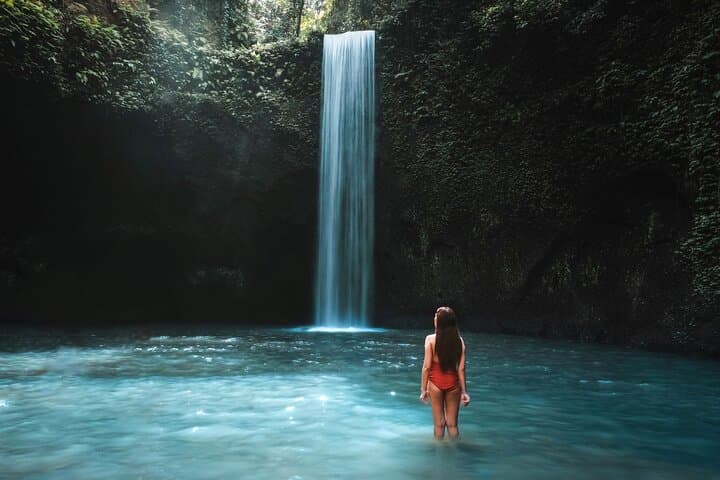
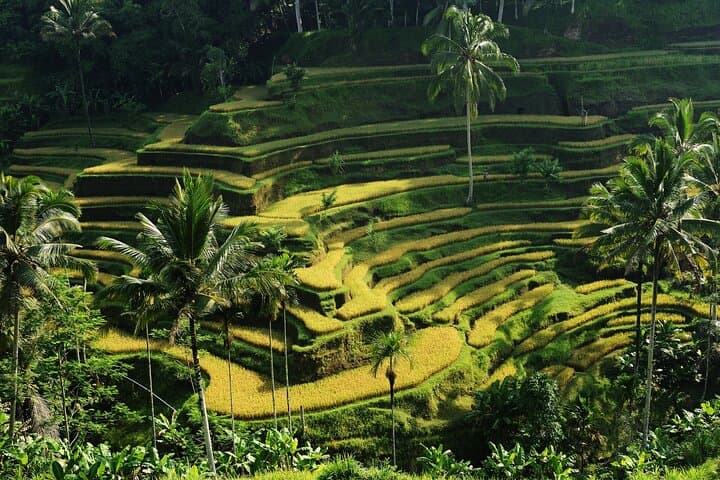
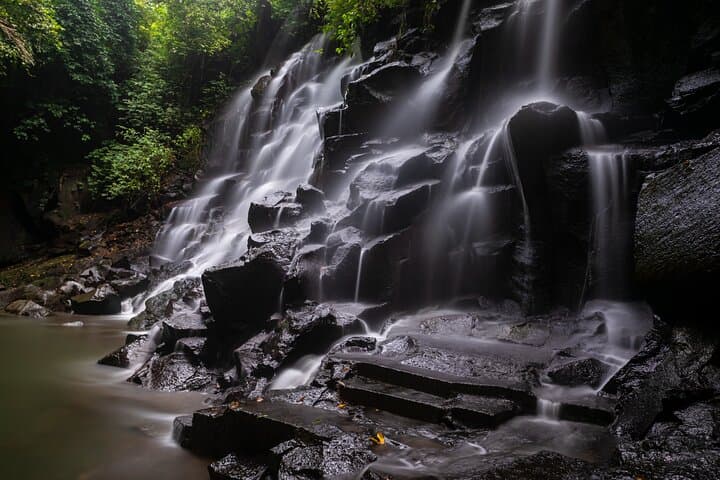
The sights are layered: Tegallalang’s terraces are the living product of the Subak cooperative irrigation system that shaped Bali’s landscape and society for centuries. The waterfalls — Kato Lampo’s tiered rock sheets, Tibumana’s sheltered plunge, Ulu Petanu’s moss-lined drop — are carved from volcanic basalt and fed by springs that locals have long treated as sacred.
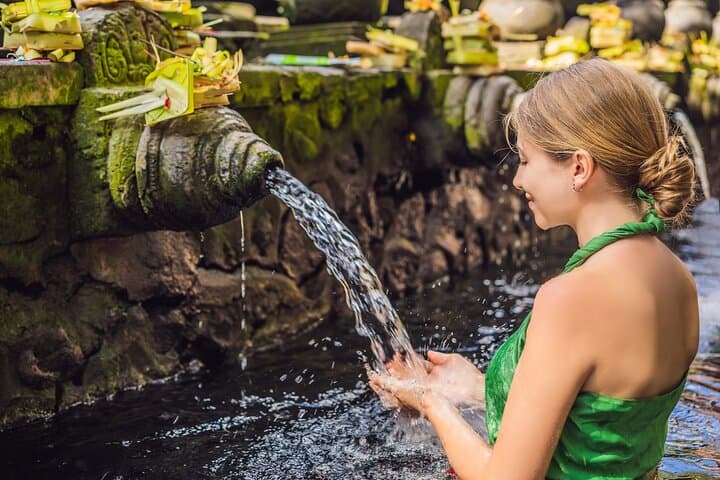
Tirta Empul sits between those natural features and Balinese ritual: the temple’s purification pools have been used since AD 926 to bathe in holy springs, and visitors may observe or join the purification ritual with respect and modesty.
Practical side: expect an 8–10 hour day with a private, air-conditioned car and multiple short walks (some uneven stone and mud). Pack quick-dry swimwear and water shoes, a lightweight rain layer in wet months, and a sarong or wear clothing that covers knees and shoulders for the temple. Bring small cash for entrance fees, swings, and tips; charge your camera — these spots reward early light. Stay on marked paths, avoid soaps or sunscreen in the pools, and move deliberately: the route is as much about timing and respect as it is about scenery.
moderate.
8–10 hours.
Participants should have a moderate fitness level for short hikes, uneven steps, and brief climbs at waterfall sites.
The tour runs about 8–10 hours and typically includes private AC transport, bottled water, an English-speaking driver, and entrance fees if the inclusive package is chosen.
Yes—visitors can observe or take part in the ritual, but modest dress and respectful behavior are required; sarongs may be provided or rented at the temple.
Many pools are shallow and calm, but parents should supervise closely as rocks can be slippery and currents vary; infants should sit on laps in vehicles according to operator policy.
Bring small cash for optional activities (swings, zip lines), local snacks, and tips—some vendors may not accept cards even if the tour is prepaid.
Tegallalang’s terraces are part of Bali’s Subak irrigation system, a centuries-old cooperative model; Tirta Empul dates to the 10th century and centers on sacred spring water used in Hindu purification rites.
Avoid soaps and sunscreen in pools, pack out litter, and follow marked trails; local ecosystems are sensitive to trampling and pollution from tourism.
Bali Voice Tour operates guided outdoor trips and adventures with an emphasis on safety, stewardship, and memorable experiences.
You slip from the car into humid Bali air and the soundscape changes: water on stone, distant gamelan, and the murmur of rice leaves. The drive from Ubud threads past volcanic slopes and small villages until the first cascade appears, not as a single drama but as water finding its way over ancient rock — playful streams, quiet plunge pools, and pockets of jungle that dare you to step closer.
You slip from the car into humid Bali air and the soundscape changes: water on stone, distant gamelan, and the murmur of rice leaves. The drive from Ubud threads past volcanic slopes and small villages until the first cascade appears, not as a single drama but as water finding its way over ancient rock — playful streams, quiet plunge pools, and pockets of jungle that dare you to step closer.
The sights are layered: Tegallalang’s terraces are the living product of the Subak cooperative irrigation system that shaped Bali’s landscape and society for centuries. The waterfalls — Kato Lampo’s tiered rock sheets, Tibumana’s sheltered plunge, Ulu Petanu’s moss-lined drop — are carved from volcanic basalt and fed by springs that locals have long treated as sacred.
Tirta Empul sits between those natural features and Balinese ritual: the temple’s purification pools have been used since AD 926 to bathe in holy springs, and visitors may observe or join the purification ritual with respect and modesty.
Practical side: expect an 8–10 hour day with a private, air-conditioned car and multiple short walks (some uneven stone and mud). Pack quick-dry swimwear and water shoes, a lightweight rain layer in wet months, and a sarong or wear clothing that covers knees and shoulders for the temple. Bring small cash for entrance fees, swings, and tips; charge your camera — these spots reward early light. Stay on marked paths, avoid soaps or sunscreen in the pools, and move deliberately: the route is as much about timing and respect as it is about scenery.