THE ADVENTURE COLLECTIVE® · Independent discovery and booking for outdoor travel

A single day that stitches together three very different Balinese waterfalls: the cave light of Tukad Cepung, the temple‑framed power of Tegenungan, and the stepped basalt of Kanto Lampo. This private tour from Ubud pairs photography hotspots with cultural stops and private transport.
A single day that stitches together three very different Balinese waterfalls: the cave light of Tukad Cepung, the temple‑framed power of Tegenungan, and the stepped basalt of Kanto Lampo. This private tour from Ubud pairs photography hotspots with cultural stops and private transport.
You step out of the air‑conditioned van and the humidity hits like a warm hand—thick, green, and smell of wet earth. The road narrows, rice paddies contract to jungle, and then a shaft of water appears between the trees: the first of three waterfalls that will define the day. This private Ubud waterfalls tour strings together contrasts—cave light that looks engineered for photographers, a powerful 15‑meter plunge framed by village temples, and stepped basalt forms that splash in scattered tiers.
Verified experiences and guided adventures in the surrounding area.
Operated by Putu Ricky · Ubud, Bali
You step out of the air‑conditioned van and the humidity hits like a warm hand—thick, green, and smell of wet earth. The road narrows, rice paddies contract to jungle, and then a shaft of water appears between the trees: the first of three waterfalls that will define the day. This private Ubud waterfalls tour strings together contrasts—cave light that looks engineered for photographers, a powerful 15‑meter plunge framed by village temples, and stepped basalt forms that splash in scattered tiers.
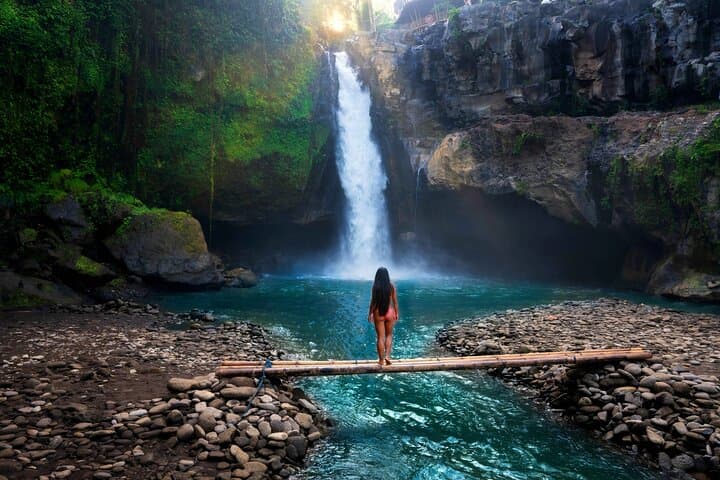
Tukad Cepung opens like a stage set. You descend a steep stairwell into a cavern where a single beam of daylight cuts through the mist and gives the water an almost sculpted quality. The geology here is young volcanic limestone and sandstone, carved by centuries of flash flows, and the light plays differently depending on the season and hour.
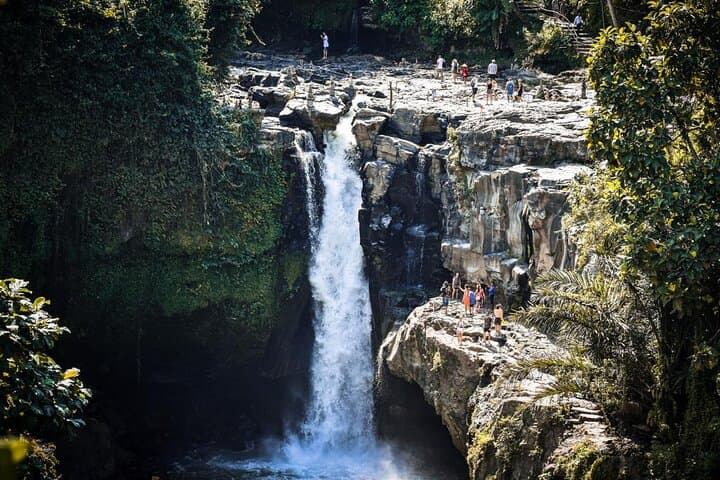
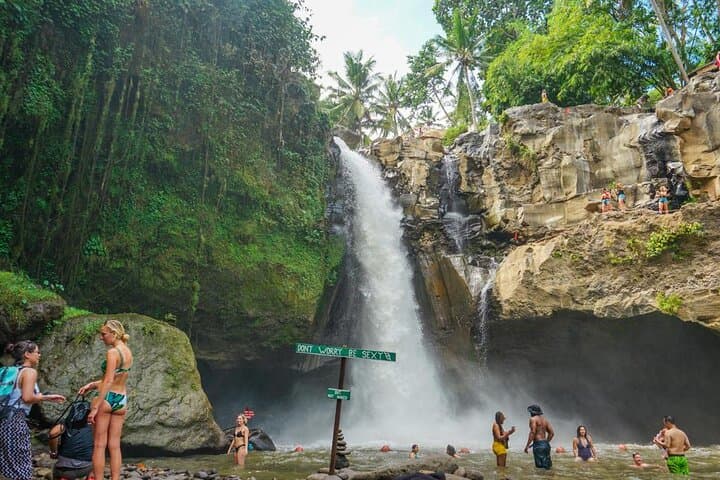
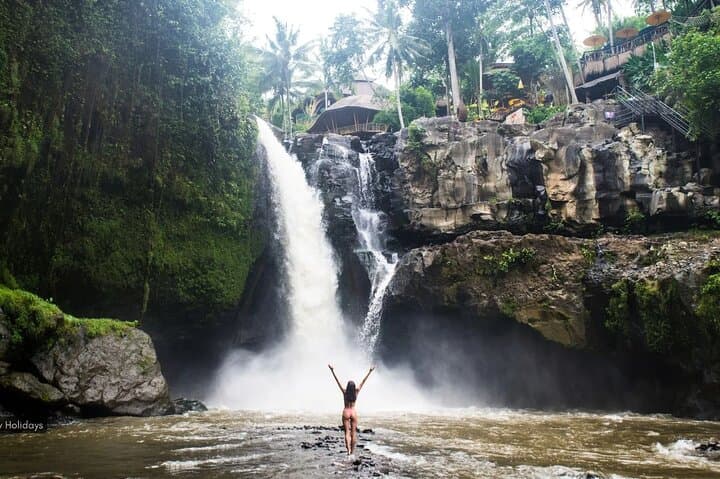
Tegenungan, in Kemenuh Village, is less hidden but no less dramatic. Its 15‑meter drop and wide, fast stream make it feel elemental—water daring you to stand close and feel its force. The river that feeds it, the Petanu, has long figured in local irrigation and ritual; nearby temples and art workshops are reminders that Balinese spiritual life still orbits water.
Kanto Lampo finishes the trio with a different rhythm: water stepping down rock ledges in fractured sheets. The stepped basalt and wear patterns reveal the valley’s volcanic past, while the pools below invite quick wading on hotter days.
This tour is a compact introduction to Bali’s hydrology and culture. Guides typically include hotel pickup across Ubud, private transport, bottled water, and lunch—so you’re traveling light but intentional.
Practical edge: expect stairs, slick rocks, and short hikes between viewpoints. Bring footwear with grip, a waterproof pouch for camera gear, and modest clothing if you’ll venture near temples. Mornings give cleaner air and softer light at Tegenungan; Tukad Cepung’s famed light beam tends to peak mid‑morning to midday.
Timing matters. The trip runs about nine hours including transfers; most operators collect you about 30 minutes before departure in central Ubud. Entrance fees are usually included on private tours, but carry small cash for extra snacks or tipping. Finally, treat the sites with care—stay on marked paths, keep plastics off the trail, and respect local shrines—the waterfalls are natural places and cultural places at once.
moderate.
7–9 hours.
Light to moderate fitness: able to walk uneven steps, climb short staircases, and stand on wet rocks for photos.
Most private tour packages include standard entrance fees for Tukad Cepung, Tegenungan and Kanto Lampo—confirm at booking and carry small cash for extras.
At Tegenungan light wading is common in designated areas; Tukad Cepung and Kanto Lampo have shallow pools but currents and slippery rocks mean you should be cautious and follow guide instructions.
Expect several short hikes and stair descents—Tukad Cepung requires a steep stair descent into the cave (~dozens of steps), while other sites have uneven trails and viewpoints with stairs.
Tukad Cepung’s light beam is strongest mid‑morning to midday; early morning or late afternoon give softer light at Tegenungan and Kanto Lampo with fewer visitors.
The tour is family‑friendly but not fully accessible—those with limited mobility may struggle with stairs and uneven ground; let the operator know any mobility concerns ahead of time.
Yes—this private tour includes hotel pickup across Ubud; operators typically request lobby pickup and ask to be notified of your exact hotel at booking.
Water in Bali is both practical and sacred—rivers like the Petanu have fed rice terraces and rituals for centuries; many waterfall sites sit near village temples tied to local water ceremonies.
Visitor pressure and litter threaten these delicate river valleys; choose operators who enforce waste rules, stick to marked paths, and pay entrance fees that fund site maintenance.
Putu Ricky operates guided outdoor trips and adventures with an emphasis on safety, stewardship, and memorable experiences.
You step out of the air‑conditioned van and the humidity hits like a warm hand—thick, green, and smell of wet earth. The road narrows, rice paddies contract to jungle, and then a shaft of water appears between the trees: the first of three waterfalls that will define the day. This private Ubud waterfalls tour strings together contrasts—cave light that looks engineered for photographers, a powerful 15‑meter plunge framed by village temples, and stepped basalt forms that splash in scattered tiers.
You step out of the air‑conditioned van and the humidity hits like a warm hand—thick, green, and smell of wet earth. The road narrows, rice paddies contract to jungle, and then a shaft of water appears between the trees: the first of three waterfalls that will define the day. This private Ubud waterfalls tour strings together contrasts—cave light that looks engineered for photographers, a powerful 15‑meter plunge framed by village temples, and stepped basalt forms that splash in scattered tiers.
Tukad Cepung opens like a stage set. You descend a steep stairwell into a cavern where a single beam of daylight cuts through the mist and gives the water an almost sculpted quality. The geology here is young volcanic limestone and sandstone, carved by centuries of flash flows, and the light plays differently depending on the season and hour.
Tegenungan, in Kemenuh Village, is less hidden but no less dramatic. Its 15‑meter drop and wide, fast stream make it feel elemental—water daring you to stand close and feel its force. The river that feeds it, the Petanu, has long figured in local irrigation and ritual; nearby temples and art workshops are reminders that Balinese spiritual life still orbits water.
Kanto Lampo finishes the trio with a different rhythm: water stepping down rock ledges in fractured sheets. The stepped basalt and wear patterns reveal the valley’s volcanic past, while the pools below invite quick wading on hotter days.
This tour is a compact introduction to Bali’s hydrology and culture. Guides typically include hotel pickup across Ubud, private transport, bottled water, and lunch—so you’re traveling light but intentional.
Practical edge: expect stairs, slick rocks, and short hikes between viewpoints. Bring footwear with grip, a waterproof pouch for camera gear, and modest clothing if you’ll venture near temples. Mornings give cleaner air and softer light at Tegenungan; Tukad Cepung’s famed light beam tends to peak mid‑morning to midday.
Timing matters. The trip runs about nine hours including transfers; most operators collect you about 30 minutes before departure in central Ubud. Entrance fees are usually included on private tours, but carry small cash for extra snacks or tipping. Finally, treat the sites with care—stay on marked paths, keep plastics off the trail, and respect local shrines—the waterfalls are natural places and cultural places at once.