THE ADVENTURE COLLECTIVE® · Independent discovery and booking for outdoor travel

Walk through a cliff-lit amphitheater at Tukad Cepung, swim under the fern-fringed Tibumana pool, then watch the rice terraces roll away at Tegalalang. This full-day private tour pairs slippery jungle trails with cultural stops and photo-ready viewpoints.
Walk through a cliff-lit amphitheater at Tukad Cepung, swim under the fern-fringed Tibumana pool, then watch the rice terraces roll away at Tegalalang. This full-day private tour pairs slippery jungle trails with cultural stops and photo-ready viewpoints.
The morning light in central Bali arrives like a promise — humid, golden and quick to disappear under a canopy of green. You leave Ubud’s rattan cafes and narrow streets for a private drive that climbs into the island’s limestone gullies. The first stop, Tukad Cepung, announces itself with a sudden hush: a corridor of mossy rock, a shaft of sun that pours through a cliff opening and a cascade that seems to be falling out of the sky itself. Walking the stone steps into the amphitheater, the air cools and the spray dares you forward, a liquid curtain that isolates the falls from the rest of the island.
Verified experiences and guided adventures in the surrounding area.
Operated by Bali Experinece · Ubud, Bali
The morning light in central Bali arrives like a promise — humid, golden and quick to disappear under a canopy of green. You leave Ubud’s rattan cafes and narrow streets for a private drive that climbs into the island’s limestone gullies. The first stop, Tukad Cepung, announces itself with a sudden hush: a corridor of mossy rock, a shaft of sun that pours through a cliff opening and a cascade that seems to be falling out of the sky itself. Walking the stone steps into the amphitheater, the air cools and the spray dares you forward, a liquid curtain that isolates the falls from the rest of the island.
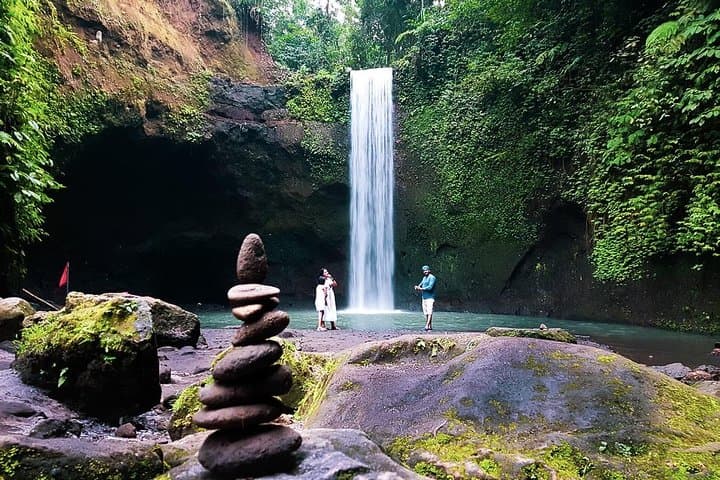
Later, Tibumana unfolds in a different register — a long drop into a polished pool ringed by ferns with a wooden bridge that invites slow, steady approaches and, if you’re willing, a refreshing swim in mountain-fed water. The tour ends with Tegalalang: terraces stacked like green steps, the subak irrigation channels still visible, and the option for a jungle swing that jerks you briefly into the rice-paddy view.
These landscapes are products of Bali’s volcanic past and the patient work of water. Rivers have sliced through ash and lava flows to expose caves and cliffs; human hands have shaped the hills into terraces under the island’s centuries-old subak system — a cooperative irrigation method that shapes both agriculture and local ritual life. Expect to see temple shrines at trailheads and small offerings tucked into crevices; culture and geology meet at each stop.
Practicalities matter on a day like this. The full experience runs about 10 hours with private transportation included; pickup from Ubud hotels is common and makes an early start easy. Trails at the falls include stairs and slick rock — choose footwear with good grip. Bring a dry bag or waterproof phone case for camera gear; modest swimwear and a sarong are useful around temple sites. Carry cash for small entrance fees, donations and local snacks; many sites have small vendors but limited infrastructure and few formal restrooms.
Timing is everything: arrive as sites open to avoid tour groups and to catch softer light for photos. Guides can point out safer swimming spots and help with local etiquette such as removing shoes at temple steps. For anyone with back or heart issues, the operators note these tours involve uneven terrain and stairs — consider that before booking.
On the balance, the Ubud Waterfall Experience is an approachable day that pairs active hiking and short swims with vivid geological scenery and living Balinese culture. It’s best for travelers who want close-up nature without a multi-day trek — and for those who want their photos to look like they stepped out of a travel magazine, with the practical awareness to leave the place as they found it.
moderate.
10 hours.
Suitable for travelers in average physical condition; involves stair descents/ascents and short hikes on uneven, often wet terrain.
Yes—Tibumana has a safe swimming pool; at Tukad Cepung swimming is possible but limited to calmer spots—follow your guide’s advice.
Yes — private transportation with hotel pickup from Ubud is normally included; confirm your pickup point when booking.
Basic restrooms and small shops exist near the main sites, but facilities can be rustic—bring hand sanitizer and some cash.
Expect stair descents/ascents and uneven trails; it’s manageable for most people but not suitable for those with severe mobility issues.
The tour lists admissions as included, but guides may recommend small extra donations or activity fees for the jungle swing at Tegalalang.
Cover shoulders and knees; many operators provide sarongs for brief temple stops, but it helps to bring one just in case.
The Tegalalang rice terraces use Bali’s centuries-old subak cooperative irrigation system, a cultural landscape rooted in communal water-sharing and ritual.
Stick to marked paths, avoid standing on fragile rice banks, and pack out single-use plastics; rising visitor numbers are prompting local efforts to limit erosion and litter.
Bali Experinece operates guided outdoor trips and adventures with an emphasis on safety, stewardship, and memorable experiences.
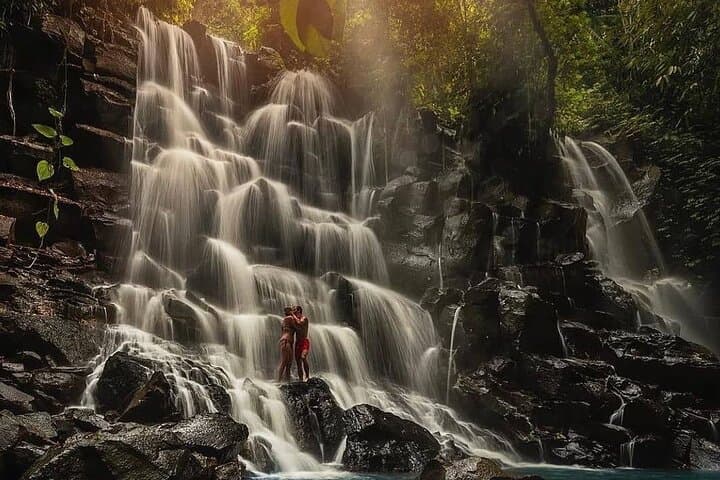
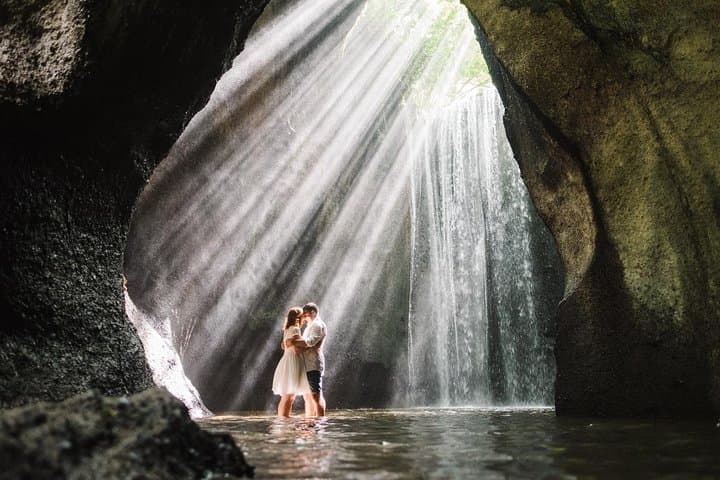
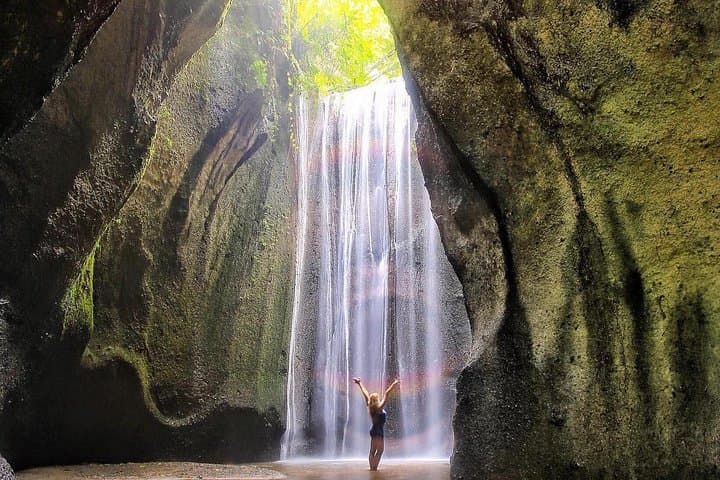
The morning light in central Bali arrives like a promise — humid, golden and quick to disappear under a canopy of green. You leave Ubud’s rattan cafes and narrow streets for a private drive that climbs into the island’s limestone gullies. The first stop, Tukad Cepung, announces itself with a sudden hush: a corridor of mossy rock, a shaft of sun that pours through a cliff opening and a cascade that seems to be falling out of the sky itself. Walking the stone steps into the amphitheater, the air cools and the spray dares you forward, a liquid curtain that isolates the falls from the rest of the island.
The morning light in central Bali arrives like a promise — humid, golden and quick to disappear under a canopy of green. You leave Ubud’s rattan cafes and narrow streets for a private drive that climbs into the island’s limestone gullies. The first stop, Tukad Cepung, announces itself with a sudden hush: a corridor of mossy rock, a shaft of sun that pours through a cliff opening and a cascade that seems to be falling out of the sky itself. Walking the stone steps into the amphitheater, the air cools and the spray dares you forward, a liquid curtain that isolates the falls from the rest of the island.
Later, Tibumana unfolds in a different register — a long drop into a polished pool ringed by ferns with a wooden bridge that invites slow, steady approaches and, if you’re willing, a refreshing swim in mountain-fed water. The tour ends with Tegalalang: terraces stacked like green steps, the subak irrigation channels still visible, and the option for a jungle swing that jerks you briefly into the rice-paddy view.
These landscapes are products of Bali’s volcanic past and the patient work of water. Rivers have sliced through ash and lava flows to expose caves and cliffs; human hands have shaped the hills into terraces under the island’s centuries-old subak system — a cooperative irrigation method that shapes both agriculture and local ritual life. Expect to see temple shrines at trailheads and small offerings tucked into crevices; culture and geology meet at each stop.
Practicalities matter on a day like this. The full experience runs about 10 hours with private transportation included; pickup from Ubud hotels is common and makes an early start easy. Trails at the falls include stairs and slick rock — choose footwear with good grip. Bring a dry bag or waterproof phone case for camera gear; modest swimwear and a sarong are useful around temple sites. Carry cash for small entrance fees, donations and local snacks; many sites have small vendors but limited infrastructure and few formal restrooms.
Timing is everything: arrive as sites open to avoid tour groups and to catch softer light for photos. Guides can point out safer swimming spots and help with local etiquette such as removing shoes at temple steps. For anyone with back or heart issues, the operators note these tours involve uneven terrain and stairs — consider that before booking.
On the balance, the Ubud Waterfall Experience is an approachable day that pairs active hiking and short swims with vivid geological scenery and living Balinese culture. It’s best for travelers who want close-up nature without a multi-day trek — and for those who want their photos to look like they stepped out of a travel magazine, with the practical awareness to leave the place as they found it.