THE ADVENTURE COLLECTIVE® · Independent discovery and booking for outdoor travel

See Ubud’s temples and rice terraces, then climb to the Kintamani rim for panoramic views of Mount Batur and Lake Batur on a private full-day tour. Culture, geology, and scenic stops are packed into an 8–10 hour guided experience.
See Ubud’s temples and rice terraces, then climb to the Kintamani rim for panoramic views of Mount Batur and Lake Batur on a private full-day tour. Culture, geology, and scenic stops are packed into an 8–10 hour guided experience.
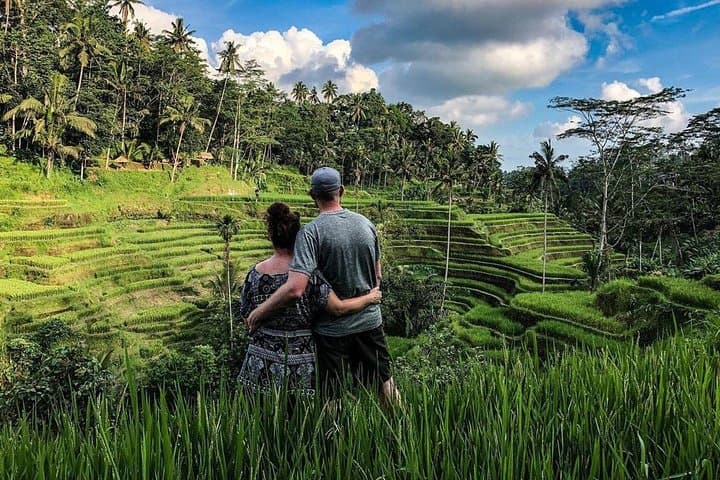
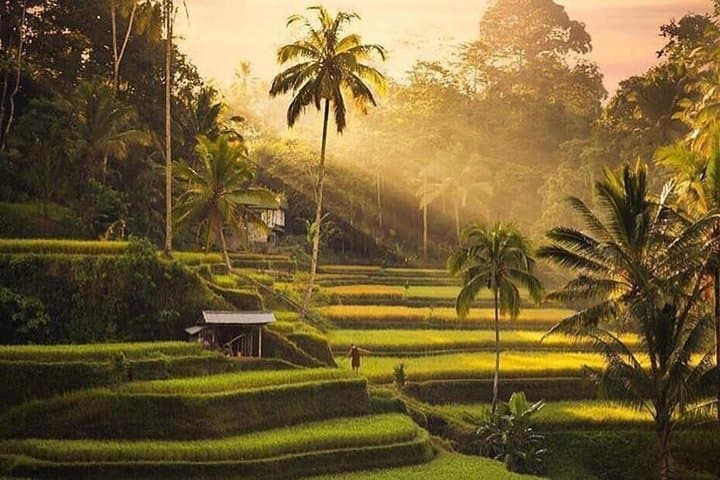
You step out of the van into warm Balinese air, rice terraces rolling like stitched steps below and a volcanic ridge cutting the horizon. The guide folds a sarong and points toward a carved stone entrance—the first of several temple thresholds that map Bali’s long conversation with water, rice, and fire.
Verified experiences and guided adventures in the surrounding area.
Operated by Bali Art - Private Tours · Ubud, Bali
You step out of the van into warm Balinese air, rice terraces rolling like stitched steps below and a volcanic ridge cutting the horizon. The guide folds a sarong and points toward a carved stone entrance—the first of several temple thresholds that map Bali’s long conversation with water, rice, and fire.
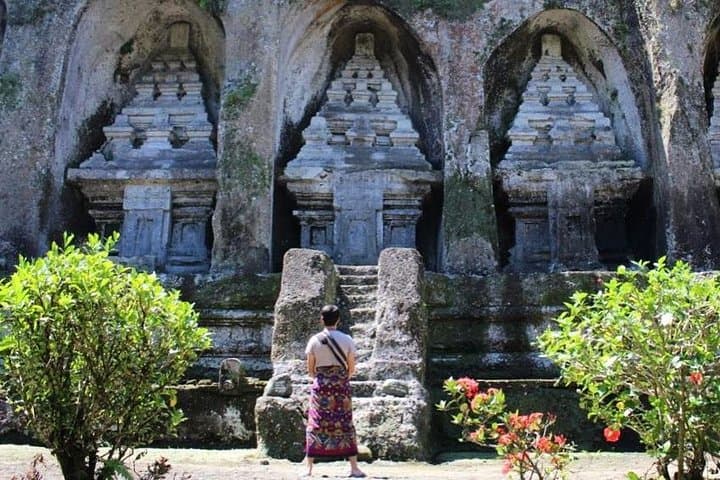
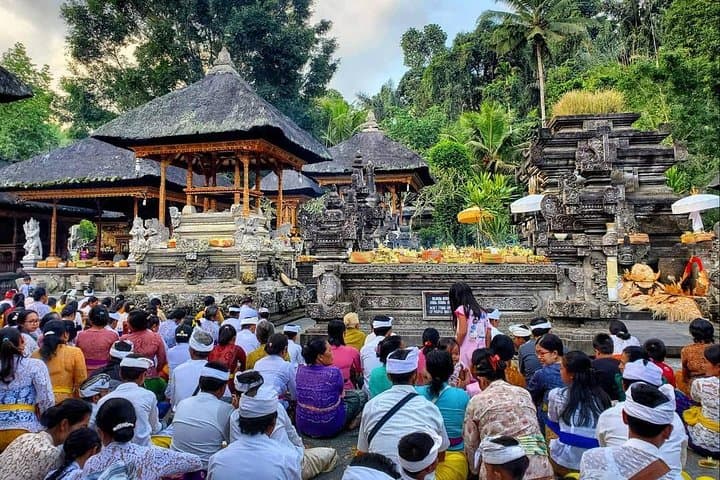
From Goa Gajah’s shadowed bas-reliefs to the river-cleansed pools of Tirta Empul, the day traces a cultural spine anchored by geology: Mount Batur’s lava flows and Lake Batur’s crater basin dominate Kintamani, offering an expansive counterpoint to Ubud’s compact temple courtyards and nearby rice terraces. Gunung Kawi’s cliff-cut shrines speak to 11th-century Balinese kings; Tirta Empul illustrates Hindu purification rituals that continue today.
Expect easy walking between attractions, photo-friendly stops, and modest elevation change—most sites involve stairs and uneven stone. The itinerary typically includes temple visits with entrance fees covered, a viewpoint at Mount Batur and time at classic rice terraces. Guides provide sarongs for temple entry and practical context for ceremonies and local customs.
Plan for sun, sudden showers, and crowded high-season mornings. Carry a small daypack with water, sunscreen, and comfortable shoes; dress respectfully for temples. If you prefer quieter moments, request earlier pickup to catch softer light and less traffic around the sacred springs. The route is ideal for travelers wanting cultural depth and dramatic volcanic scenery in a single, well-paced day.
easy.
8–10 hours.
Suitable for most fitness levels; involves short walks, staircases, and standing during temple visits.
Most private tours include hotel pickup and drop-off—confirm your pickup point and time at booking.
This tour typically includes admission to listed attractions and lunch; check the tour description to confirm specifics.
Yes—temple dress code requires covered legs and shoulders; the operator usually provides sarongs on-site if you don’t have one.
Yes—physical demands are low, though several temple sites have stairs; inform the operator of mobility needs when booking.
The region’s temples and cliff shrines reflect centuries of Balinese Hindu culture layered over a landscape shaped by Mount Batur’s volcanic activity.
Temples and rice terraces are sensitive sites—follow local rules, avoid single-use plastics, and support community-run stalls to fund maintenance.
Bali Art - Private Tours operates guided outdoor trips and adventures with an emphasis on safety, stewardship, and memorable experiences.
You step out of the van into warm Balinese air, rice terraces rolling like stitched steps below and a volcanic ridge cutting the horizon. The guide folds a sarong and points toward a carved stone entrance—the first of several temple thresholds that map Bali’s long conversation with water, rice, and fire.
You step out of the van into warm Balinese air, rice terraces rolling like stitched steps below and a volcanic ridge cutting the horizon. The guide folds a sarong and points toward a carved stone entrance—the first of several temple thresholds that map Bali’s long conversation with water, rice, and fire.
From Goa Gajah’s shadowed bas-reliefs to the river-cleansed pools of Tirta Empul, the day traces a cultural spine anchored by geology: Mount Batur’s lava flows and Lake Batur’s crater basin dominate Kintamani, offering an expansive counterpoint to Ubud’s compact temple courtyards and nearby rice terraces. Gunung Kawi’s cliff-cut shrines speak to 11th-century Balinese kings; Tirta Empul illustrates Hindu purification rituals that continue today.
Expect easy walking between attractions, photo-friendly stops, and modest elevation change—most sites involve stairs and uneven stone. The itinerary typically includes temple visits with entrance fees covered, a viewpoint at Mount Batur and time at classic rice terraces. Guides provide sarongs for temple entry and practical context for ceremonies and local customs.
Plan for sun, sudden showers, and crowded high-season mornings. Carry a small daypack with water, sunscreen, and comfortable shoes; dress respectfully for temples. If you prefer quieter moments, request earlier pickup to catch softer light and less traffic around the sacred springs. The route is ideal for travelers wanting cultural depth and dramatic volcanic scenery in a single, well-paced day.