
Ubud Temples, Waterfalls & Rice Terraces Day Tour — Culture, Cepung Waterfall and Jungle Swing
Spend a day exploring Ubud’s temples, iconic rice terraces, Cepung Waterfall and a coffee plantation. This private guided tour blends cultural context with easy hiking and scenic viewpoints.
An Adventure In Ubud.
Spend a day exploring Ubud’s temples, iconic rice terraces, Cepung Waterfall and a coffee plantation. This private guided tour blends cultural context with easy hiking and scenic viewpoints.
Read the full experience
You step off the air-conditioned van into green air thick with incense and the distant chatter of macaques. Footpaths thread through carved stone gateways and temple courtyards; rice terraces tilt like layered steps toward the valley. The guide points out a moss-dark shrine and explains the ceremony rhythms that still mark daily life here.
You step off the air-conditioned van into green air thick with incense and the distant chatter of macaques. Footpaths thread through carved stone gateways and temple courtyards; rice terraces tilt like layered steps toward the valley. The guide points out a moss-dark shrine and explains the ceremony rhythms that still mark daily life here.
Ubud’s landscape is volcanic in origin — steep ridges and river-cut valleys shaped by lava flows and centuries of irrigation. The subak system of terraced rice fields, UNESCO-recognized, is both agricultural engineering and living culture: farmers coordinate planting and water through community temple rites. The Monkey Forest preserves 14th-century temple ruins and is a good place to watch long-tailed macaques moving with brazen curiosity.
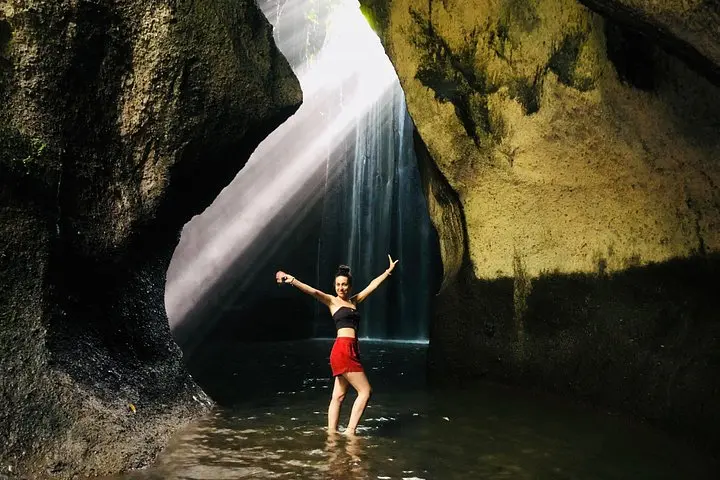
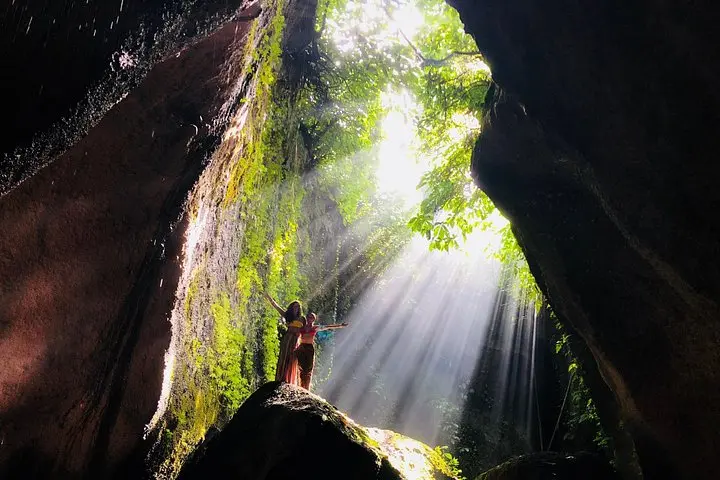
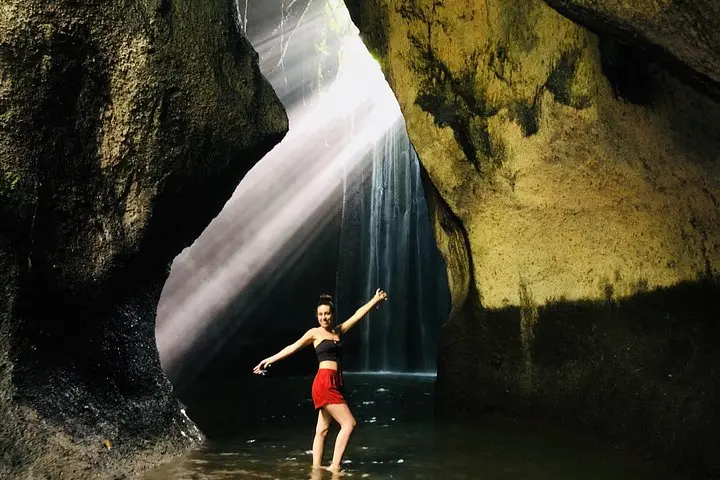
Later, the jungle swing offers a bird’s-eye view of river serpents and terraces; at Cepung Waterfall you move into a cave-like light where water bangs the rock curtain and the spray cools skin. A coffee plantation visit rounds the day with locally roasted beans and the rare Luwak kopi experience.
Practical guidance: bring a daypack, modest clothing for temple visits (shoulders and knees covered), and sturdy footwear for muddy trails and stone steps. Expect several short walks totaling a few kilometers and some stair descents at waterfalls. Plan for morning starts to avoid mid-day crowds and afternoon rain in the wet season. Bring cash for lunch, tips, and small purchases; water is provided but refill a reusable bottle for the day.
Frequently asked questions
Admission for listed sites like the rice terraces and Cepung Waterfall is included per the itinerary notes, but confirm at booking for any recent changes.
Yes — the tour is rated easy and private transport reduces strain, but waterfalls and some temple steps require caution and mobility.
The tour provides Balinese and English-speaking guides; confirm any other language needs when booking.
Lunch is not included; the guide can recommend nearby options and help arrange meals to meet dietary restrictions, but bring snacks if required.
About This Experience
Bali Trekking Exploration operates guided outdoor trips and adventures with an emphasis on safety, stewardship, and memorable experiences.
Adventure tips
Recommended gear
- Sturdy trail shoes: Provides traction on wet rocks, muddy trails and temple steps.
- Lightweight rain jacket: Tropical showers are common in the wet months; a packable jacket keeps you dry.
- Reusable water bottle: Stay hydrated during walks — you can refill at stops or guides will provide bottled water.
- Sarong or modest cover-up: Required or appreciated at temples for modesty and to comply with local customs.
Photos of the experience
Related adventures & guides
Read the full experience
You step off the air-conditioned van into green air thick with incense and the distant chatter of macaques. Footpaths thread through carved stone gateways and temple courtyards; rice terraces tilt like layered steps toward the valley. The guide points out a moss-dark shrine and explains the ceremony rhythms that still mark daily life here.
You step off the air-conditioned van into green air thick with incense and the distant chatter of macaques. Footpaths thread through carved stone gateways and temple courtyards; rice terraces tilt like layered steps toward the valley. The guide points out a moss-dark shrine and explains the ceremony rhythms that still mark daily life here.
Ubud’s landscape is volcanic in origin — steep ridges and river-cut valleys shaped by lava flows and centuries of irrigation. The subak system of terraced rice fields, UNESCO-recognized, is both agricultural engineering and living culture: farmers coordinate planting and water through community temple rites. The Monkey Forest preserves 14th-century temple ruins and is a good place to watch long-tailed macaques moving with brazen curiosity.
Later, the jungle swing offers a bird’s-eye view of river serpents and terraces; at Cepung Waterfall you move into a cave-like light where water bangs the rock curtain and the spray cools skin. A coffee plantation visit rounds the day with locally roasted beans and the rare Luwak kopi experience.
Practical guidance: bring a daypack, modest clothing for temple visits (shoulders and knees covered), and sturdy footwear for muddy trails and stone steps. Expect several short walks totaling a few kilometers and some stair descents at waterfalls. Plan for morning starts to avoid mid-day crowds and afternoon rain in the wet season. Bring cash for lunch, tips, and small purchases; water is provided but refill a reusable bottle for the day.
Make a day of it nearby.
Verified experiences and guided adventures in the surrounding area.