THE ADVENTURE COLLECTIVE® · Independent discovery and booking for outdoor travel

Spend a day in Ubud moving from the playful chaos of the Monkey Forest to terraced rice fields and a sacred spring. This private tour pairs cultural context with practical logistics for comfortable, informed exploring.
Spend a day in Ubud moving from the playful chaos of the Monkey Forest to terraced rice fields and a sacred spring. This private tour pairs cultural context with practical logistics for comfortable, informed exploring.
You step out of the car into a warm, humid morning and the road smells of wet earth and incense. The trees at the Ubud Monkey Forest lean in like curious hosts; long-tailed macaques flit between temple walls while shafts of light pick out old stone carvings. Through the day you move from shaded mossy paths to open rice terraces, to the cool pools of a holy spring — a compact loop through Bali’s living culture.
Verified experiences and guided adventures in the surrounding area.
Operated by Bali Tour Information · Ubud, Bali
You step out of the car into a warm, humid morning and the road smells of wet earth and incense. The trees at the Ubud Monkey Forest lean in like curious hosts; long-tailed macaques flit between temple walls while shafts of light pick out old stone carvings. Through the day you move from shaded mossy paths to open rice terraces, to the cool pools of a holy spring — a compact loop through Bali’s living culture.
Ubud is Bali’s cultural heart: centuries-old temples, rice systems shaped by subak irrigation, and marketplaces where carving and dance are still taught. The Monkey Forest is a village-owned conservation and spiritual complex, and Tirta Empul (the holy spring) dates back to the island’s classical period as a site for ritual purification. Geologically the area sits on volcanic soils, which feed the tiered terraces that spill like green steps down the hillsides. The waterfalls and springs are fed by groundwater channels that have supported rice agriculture for generations.
Practical side: this private tour typically runs 1–10 hours depending on your booking and includes private transport, bottled water, and most entrance fees. Wear sturdy shoes for wet steps and uneven fields, carry swimwear for the spring or waterfall, and keep small bills for donations or local snacks. Move calmly around monkeys—do not feed them and secure loose items. Plan for mornings to avoid heat and crowds; late afternoons carry softer light for photos but can be busier. Bring insect repellent and a lightweight rain layer in the wet season. Respect temple protocols: dress modestly and follow your guide’s directions during purification rituals. This tour offers an efficient, hands-on way to experience Ubud’s nature, rituals, and small-scale agriculture in a single, walkable day.
moderate.
1–10 hours.
Suitable for travelers with basic mobility who can walk on uneven surfaces and stairs; minimal fitness required but expect short treks and steps.
The tour can be as short as 1 hour or extended to a full day (up to 10 hours) depending on your chosen itinerary and stops.
Most entrance fees and bottled water are included, but bring cash for any optional purchases, donations, or tips.
Yes—many stops are stroller-accessible, but expect stairs and uneven ground at temples, waterfalls and rice paths; infants must sit on laps in vehicles.
Yes—visitors may join the purification ritual; follow the guide’s instructions, wear modest clothing or a sarong, and avoid fountains reserved for ceremonies.
Ubud grew as a center for arts and royal patronage; local subak irrigation systems and water temples like Tirta Empul reflect centuries of cooperative agriculture and spiritual practice.
The Monkey Forest is managed by the village as a conservation and cultural site—visitors should avoid feeding wildlife and minimize waste; supporting local guides and family-run producers helps sustain the area.
Bali Tour Information operates guided outdoor trips and adventures with an emphasis on safety, stewardship, and memorable experiences.
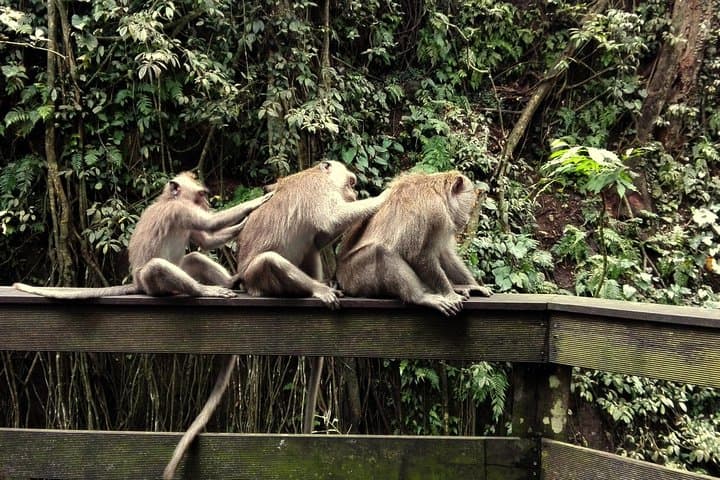
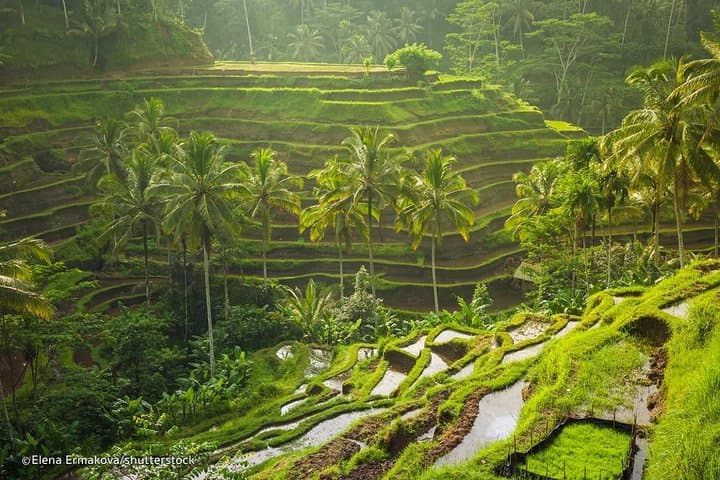
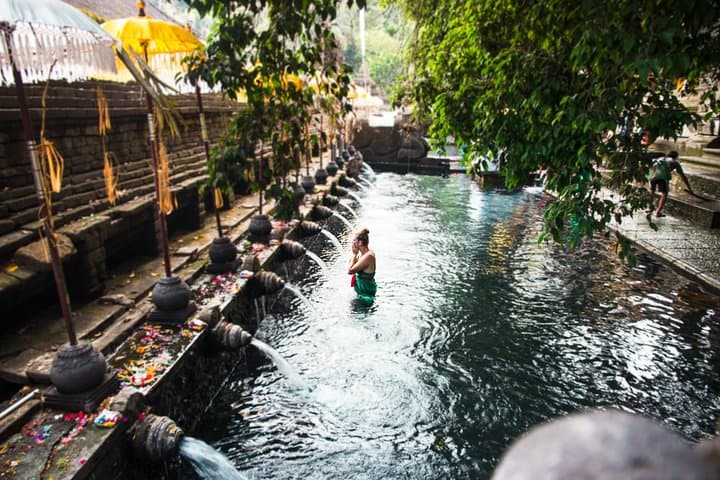

You step out of the car into a warm, humid morning and the road smells of wet earth and incense. The trees at the Ubud Monkey Forest lean in like curious hosts; long-tailed macaques flit between temple walls while shafts of light pick out old stone carvings. Through the day you move from shaded mossy paths to open rice terraces, to the cool pools of a holy spring — a compact loop through Bali’s living culture.
You step out of the car into a warm, humid morning and the road smells of wet earth and incense. The trees at the Ubud Monkey Forest lean in like curious hosts; long-tailed macaques flit between temple walls while shafts of light pick out old stone carvings. Through the day you move from shaded mossy paths to open rice terraces, to the cool pools of a holy spring — a compact loop through Bali’s living culture.
Ubud is Bali’s cultural heart: centuries-old temples, rice systems shaped by subak irrigation, and marketplaces where carving and dance are still taught. The Monkey Forest is a village-owned conservation and spiritual complex, and Tirta Empul (the holy spring) dates back to the island’s classical period as a site for ritual purification. Geologically the area sits on volcanic soils, which feed the tiered terraces that spill like green steps down the hillsides. The waterfalls and springs are fed by groundwater channels that have supported rice agriculture for generations.
Practical side: this private tour typically runs 1–10 hours depending on your booking and includes private transport, bottled water, and most entrance fees. Wear sturdy shoes for wet steps and uneven fields, carry swimwear for the spring or waterfall, and keep small bills for donations or local snacks. Move calmly around monkeys—do not feed them and secure loose items. Plan for mornings to avoid heat and crowds; late afternoons carry softer light for photos but can be busier. Bring insect repellent and a lightweight rain layer in the wet season. Respect temple protocols: dress modestly and follow your guide’s directions during purification rituals. This tour offers an efficient, hands-on way to experience Ubud’s nature, rituals, and small-scale agriculture in a single, walkable day.