THE ADVENTURE COLLECTIVE® · Independent discovery and booking for outdoor travel

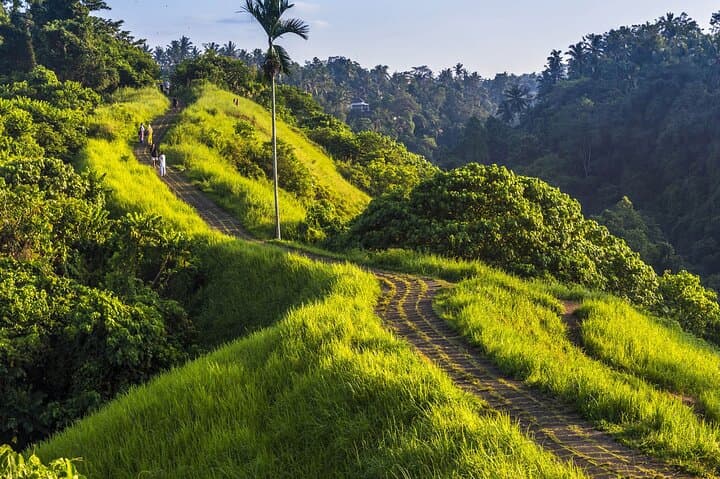
Walk Ubud’s narrow streets, temple steps, and the airy Campuhan Ridge with a local guide who explains art, ritual, and the volcanic landscape. This three-hour tour pairs cultural context with practical navigation—ideal for first-time visitors.
Walk Ubud’s narrow streets, temple steps, and the airy Campuhan Ridge with a local guide who explains art, ritual, and the volcanic landscape. This three-hour tour pairs cultural context with practical navigation—ideal for first-time visitors.
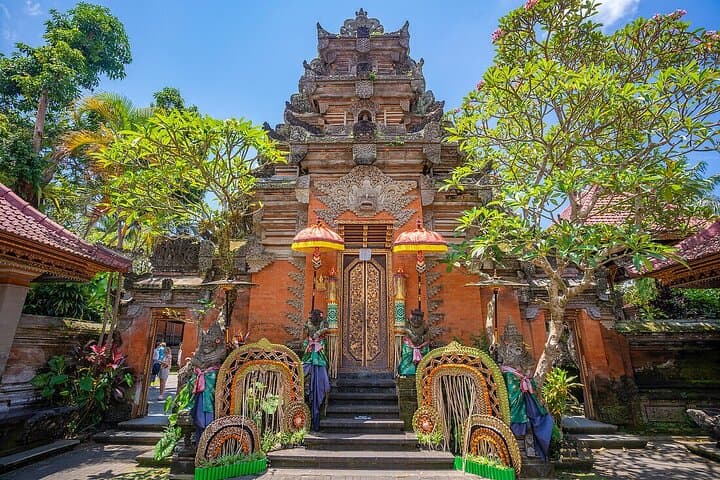
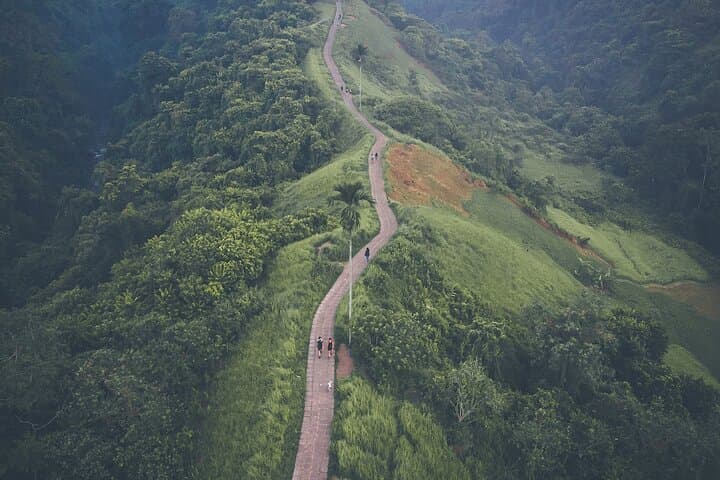
Morning light slides through frangipani and rice-terrace views as the group gathers at a narrow street in central Ubud. The air smells of incense and wet stone; scooters thread past and a guide points toward a low compound gate where a Balinese family begins daily offerings. You move at a walking pace—through alleyways, past carved doorways, up temple steps, and along the green, breezy sweep of Campuhan Ridge.
Verified experiences and guided adventures in the surrounding area.
Operated by Bali Panoramic · Ubud, Bali
Morning light slides through frangipani and rice-terrace views as the group gathers at a narrow street in central Ubud. The air smells of incense and wet stone; scooters thread past and a guide points toward a low compound gate where a Balinese family begins daily offerings. You move at a walking pace—through alleyways, past carved doorways, up temple steps, and along the green, breezy sweep of Campuhan Ridge.
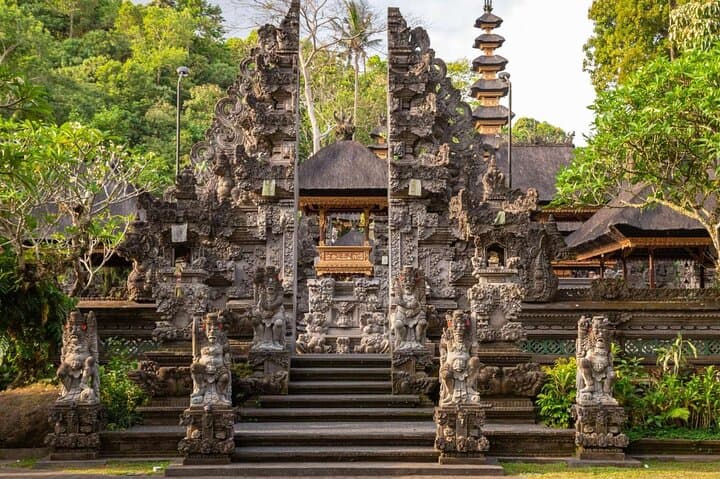
Ubud’s compact town grew around royal courts and Hindu temples; Puri Saren Palace and Puri Lukisan museum reflect the region’s artistic lineage. The geology is volcanic—fertile ash supporting rice terraces and the shallow Petanu and Campuhan rivers that shape valleys beneath the town. You’ll pass Gunung Lebah Temple, a riverside complex with uneven stone stairs, and Lempad House, linked to a famed Balinese artist.
The tour balances cultural context with practical navigation: expect steep gradients, patchy sidewalks, and the occasional muddy path after rain. Guides explain offerings, temple etiquette, and local crafts while steering clear of busy market bustle.
Plan for Indonesia’s tropical microclimate—bring a refillable water bottle, sun protection, and modest clothing for temple entry. Wear sturdy, closed shoes for stairs and slick stone. Tours run about three hours and cover roughly 4–6 km of mixed urban and ridge terrain at a gentle-to-moderate pace.
This is a first-time-visitor-friendly introduction to Ubud’s living culture—best early morning or late afternoon to avoid heat and maximize light for photography. Respect ceremonies, carry small change for entrance fees, and keep plastic out of rivers.
moderate.
2–3 hours.
Moderate fitness: able to climb uneven stairs and walk several kilometers on mixed urban and ridge terrain.
Meeting points differ by morning (08:00) or afternoon (14:00) tour—details are provided at booking; plan to arrive a few minutes early.
The tour includes uneven temple stairs and steep gradients and is not recommended for travelers with significant mobility, heart, or back issues.
Yes—guided visits include Gunung Lebah Temple, Campuhan Ridge, Puri Lukisan museum, Puri Saren Palace, and Lempad House; some sites require modest dress and small entrance fees.
Local guides are available in English, and options for Japanese and Spanish may be offered depending on booking selections.
Ubud developed around royal palaces and Hindu temples; it became an artists’ center in the early 20th century, drawing painters and cultural anthropologists.
Local guides emphasize reducing single-use plastics and protecting sacred rivers; staying on paths and respecting offerings minimizes impact on temple sites.
Bali Panoramic operates guided outdoor trips and adventures with an emphasis on safety, stewardship, and memorable experiences.
Morning light slides through frangipani and rice-terrace views as the group gathers at a narrow street in central Ubud. The air smells of incense and wet stone; scooters thread past and a guide points toward a low compound gate where a Balinese family begins daily offerings. You move at a walking pace—through alleyways, past carved doorways, up temple steps, and along the green, breezy sweep of Campuhan Ridge.
Morning light slides through frangipani and rice-terrace views as the group gathers at a narrow street in central Ubud. The air smells of incense and wet stone; scooters thread past and a guide points toward a low compound gate where a Balinese family begins daily offerings. You move at a walking pace—through alleyways, past carved doorways, up temple steps, and along the green, breezy sweep of Campuhan Ridge.
Ubud’s compact town grew around royal courts and Hindu temples; Puri Saren Palace and Puri Lukisan museum reflect the region’s artistic lineage. The geology is volcanic—fertile ash supporting rice terraces and the shallow Petanu and Campuhan rivers that shape valleys beneath the town. You’ll pass Gunung Lebah Temple, a riverside complex with uneven stone stairs, and Lempad House, linked to a famed Balinese artist.
The tour balances cultural context with practical navigation: expect steep gradients, patchy sidewalks, and the occasional muddy path after rain. Guides explain offerings, temple etiquette, and local crafts while steering clear of busy market bustle.
Plan for Indonesia’s tropical microclimate—bring a refillable water bottle, sun protection, and modest clothing for temple entry. Wear sturdy, closed shoes for stairs and slick stone. Tours run about three hours and cover roughly 4–6 km of mixed urban and ridge terrain at a gentle-to-moderate pace.
This is a first-time-visitor-friendly introduction to Ubud’s living culture—best early morning or late afternoon to avoid heat and maximize light for photography. Respect ceremonies, carry small change for entrance fees, and keep plastic out of rivers.