THE ADVENTURE COLLECTIVE® · Independent discovery and booking for outdoor travel

Spend a full day exploring Ubud’s rice terraces, a sacred spring temple, a jungle waterfall and the Monkey Forest with a private driver-guide. This compact tour pairs short walks and cultural visits—ideal for travelers seeking a single-day cultural and nature immersion.
Spend a full day exploring Ubud’s rice terraces, a sacred spring temple, a jungle waterfall and the Monkey Forest with a private driver-guide. This compact tour pairs short walks and cultural visits—ideal for travelers seeking a single-day cultural and nature immersion.
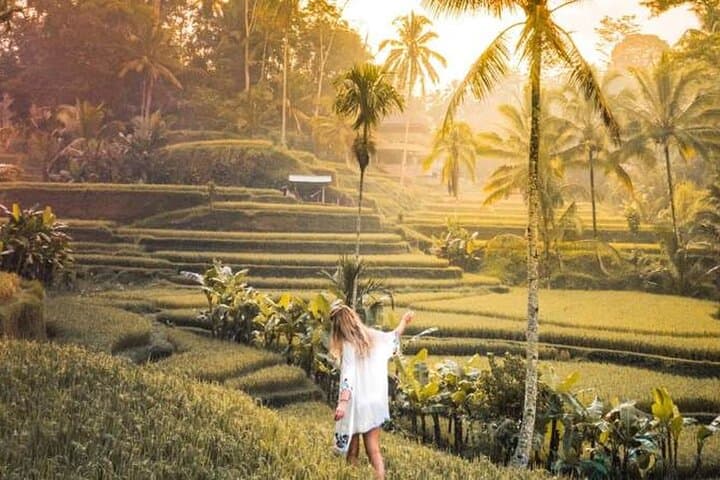
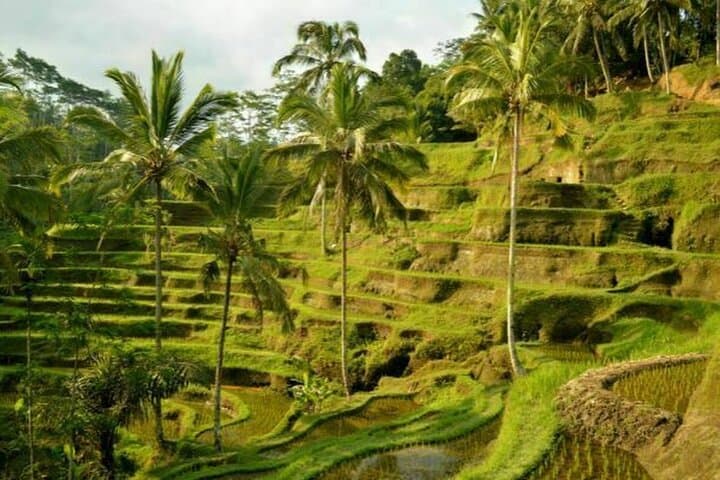
Morning light slices between coconut trunks as the private car eases off the main road into Ubud’s patchwork of green. A driver-guide opens the door to narrow village lanes: monkeys claim the shade, rice terraces step down like staircases toward the valley, and a temple spring murmurs just off the path. The day moves at a human pace—short walks, stone steps, and time at sites where water and agriculture have shaped life for centuries.
Verified experiences and guided adventures in the surrounding area.
Operated by Bali Private Tour Id · Ubud, Bali
Morning light slices between coconut trunks as the private car eases off the main road into Ubud’s patchwork of green. A driver-guide opens the door to narrow village lanes: monkeys claim the shade, rice terraces step down like staircases toward the valley, and a temple spring murmurs just off the path. The day moves at a human pace—short walks, stone steps, and time at sites where water and agriculture have shaped life for centuries.
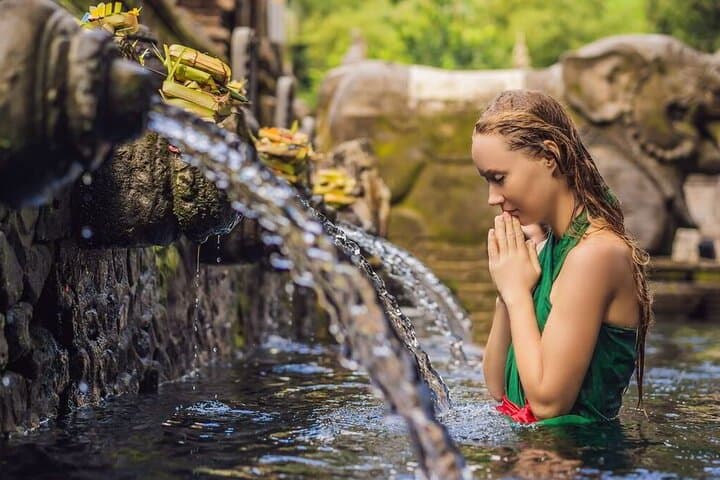
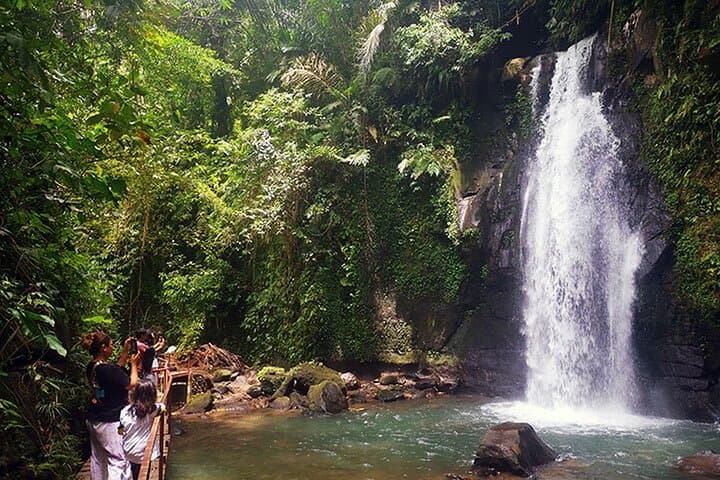
Ubud sits on volcanic soils fed by Bali’s central highlands; terraces at Tegalalang follow the Subak irrigation system developed by Balinese communities to share water and manage rice cultivation. Temple springs such as Tirta Empul have drawn pilgrims since the 10th century, practiced for ritual purification. The Monkey Forest preserves both sacred shrines and long-tailed macaques, while nearby waterfalls carve mossy chutes through volcanic rock.
Expect varied terrain: paved village roads, narrow dirt trails at the terraces (1–2 km of walking, gentle elevation changes around 50–150 m), stair descents to waterfall viewpoints, and stepped approaches at the water temple. Pack modest clothing for temple entry, quick-dry layers for sudden showers, and sturdy walking shoes with grip for wet stone.
Practical rhythm matters—start early to beat crowds and heat, carry small change for local offerings and entrance fees, and leave time for a relaxed lunch between stops. The trip is private and flexible, suitable for travelers who want cultural context with light walking: an easy, full-day immersion into Ubud’s living landscape.
easy.
5–7 hours.
Suitable for most fitness levels—expect short walks, stairs and light uneven terrain
Most listed admissions are included on this tour, but confirm specific sites with your operator and carry small cash for incidental fees.
Yes—children can join, though infants must sit on laps and young kids should be supervised around steep steps and monkeys.
Visitors may observe or participate respectfully if guided; dress modestly and follow the temple attendant’s instructions for cleansing rituals.
This is a private tour with flexible start times (typically before noon) and the option to adjust stop lengths—confirm timing at booking.
Ubud evolved as a cultural and spiritual center; the Subak irrigation system and water temples like Tirta Empul reflect centuries of communal water management and ritual dating back over a thousand years.
Respect local conservation by staying on marked paths, not feeding wildlife, and supporting local guides—Subak cooperatives actively manage terraces to balance tourism and agriculture.
Bali Private Tour Id operates guided outdoor trips and adventures with an emphasis on safety, stewardship, and memorable experiences.
Morning light slices between coconut trunks as the private car eases off the main road into Ubud’s patchwork of green. A driver-guide opens the door to narrow village lanes: monkeys claim the shade, rice terraces step down like staircases toward the valley, and a temple spring murmurs just off the path. The day moves at a human pace—short walks, stone steps, and time at sites where water and agriculture have shaped life for centuries.
Morning light slices between coconut trunks as the private car eases off the main road into Ubud’s patchwork of green. A driver-guide opens the door to narrow village lanes: monkeys claim the shade, rice terraces step down like staircases toward the valley, and a temple spring murmurs just off the path. The day moves at a human pace—short walks, stone steps, and time at sites where water and agriculture have shaped life for centuries.
Ubud sits on volcanic soils fed by Bali’s central highlands; terraces at Tegalalang follow the Subak irrigation system developed by Balinese communities to share water and manage rice cultivation. Temple springs such as Tirta Empul have drawn pilgrims since the 10th century, practiced for ritual purification. The Monkey Forest preserves both sacred shrines and long-tailed macaques, while nearby waterfalls carve mossy chutes through volcanic rock.
Expect varied terrain: paved village roads, narrow dirt trails at the terraces (1–2 km of walking, gentle elevation changes around 50–150 m), stair descents to waterfall viewpoints, and stepped approaches at the water temple. Pack modest clothing for temple entry, quick-dry layers for sudden showers, and sturdy walking shoes with grip for wet stone.
Practical rhythm matters—start early to beat crowds and heat, carry small change for local offerings and entrance fees, and leave time for a relaxed lunch between stops. The trip is private and flexible, suitable for travelers who want cultural context with light walking: an easy, full-day immersion into Ubud’s living landscape.