THE ADVENTURE COLLECTIVE® · Independent discovery and booking for outdoor travel

Craft a one-of-a-kind silver piece in Ubud’s famed silversmithing district. This hands-on class combines traditional Balinese techniques with expert instruction — no prior experience required.
Craft a one-of-a-kind silver piece in Ubud’s famed silversmithing district. This hands-on class combines traditional Balinese techniques with expert instruction — no prior experience required.
You step into a low-slung workshop in Ubud where the smell of metal and mild fuel meets the breeze from a shaded courtyard. Light catches raw silver on workbenches; tools are laid out like instruments waiting to sing. The room hums with focused conversation as an artisan guides your hands through bending, filing, and soldering — the process both deliberate and immediate.
Verified experiences and guided adventures in the surrounding area.
Operated by tripbylocals · Ubud, Bali
You step into a low-slung workshop in Ubud where the smell of metal and mild fuel meets the breeze from a shaded courtyard. Light catches raw silver on workbenches; tools are laid out like instruments waiting to sing. The room hums with focused conversation as an artisan guides your hands through bending, filing, and soldering — the process both deliberate and immediate.
Celuk Village, a short ride east of Ubud, has been a center of Balinese silverwork for generations. Local techniques blend Hindu iconography and colonial-era metalworking, producing pieces that are both wearable and culturally specific. The volcanic soils and river valleys of central Bali created settlement patterns where villages specialized in crafts; Celuk became synonymous with smithing, while nearby Batuan and Batubulan developed painting and dance traditions that frame the island’s artistic identity.
Expect a practical, hands-on session: measuring, shaping, texturing, and polishing roughly 7 grams of complimentary silver, with options to buy more. No experience is required, but patience and steady fingers help. The class usually runs from one hour to a full-day workshop depending on the package and can include short village visits and a traditional performance.
Plan for close-up work: wear comfortable clothes you don’t mind a bit of dust on, arrive hydrated, and schedule classes in the morning when light is best and workshops are less crowded. Bring a small camera for progress shots and a reusable bag for your finished piece. Whether you leave with a ring, pendant, or brooch, the truth of this class is tactile — you shape a memory as much as you shape silver.
easy.
1–8 hours.
No special fitness required; you should be steady on your feet and able to sit/stand for workshop duration
No — the class is designed for beginners with step-by-step guidance from experienced artisans.
Simple pieces can often be completed the same day; more intricate designs or larger additions may require extra crafting time or shipping.
Some options include private transportation depending on the package; confirm at booking or arrange pick-up when requested.
Yes — extra silver is typically available by the gram (about IDR 30,000/gram in this workshop) and artisans can discuss customizations on-site.
Celuk and surrounding villages developed specialized crafts under local kingdoms and Dutch-era trade, making Ubud a hub for visual and applied arts.
Buy from local artisans to support traditional craft economies; avoid plated or mass-produced items that undercut village workshops and ask about metal sourcing and waste handling.
tripbylocals operates guided outdoor trips and adventures with an emphasis on safety, stewardship, and memorable experiences.
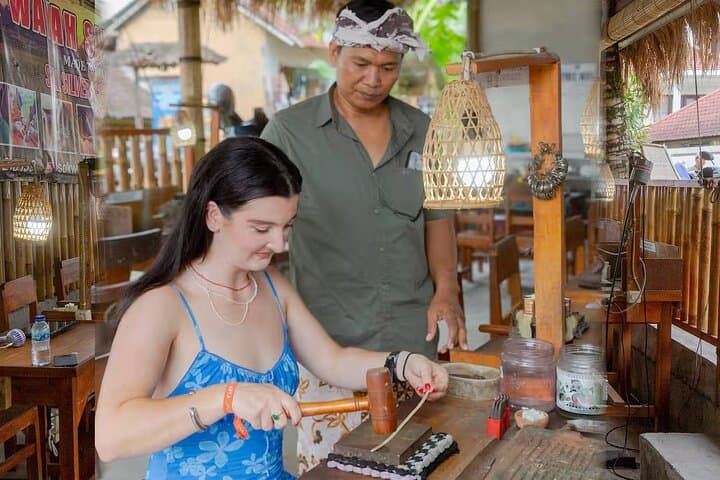
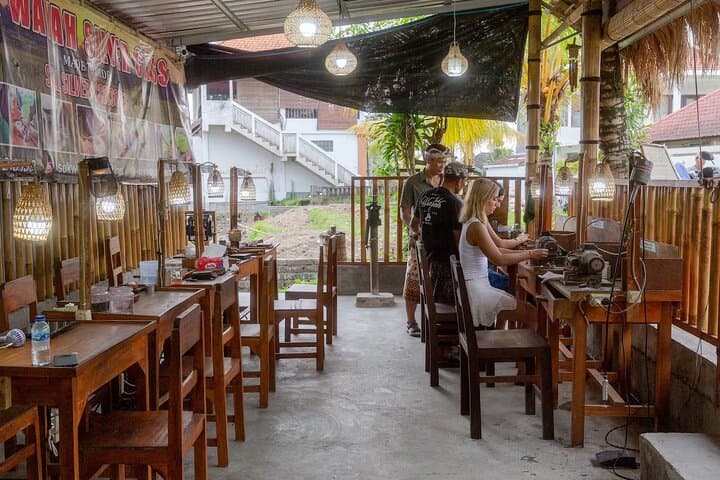
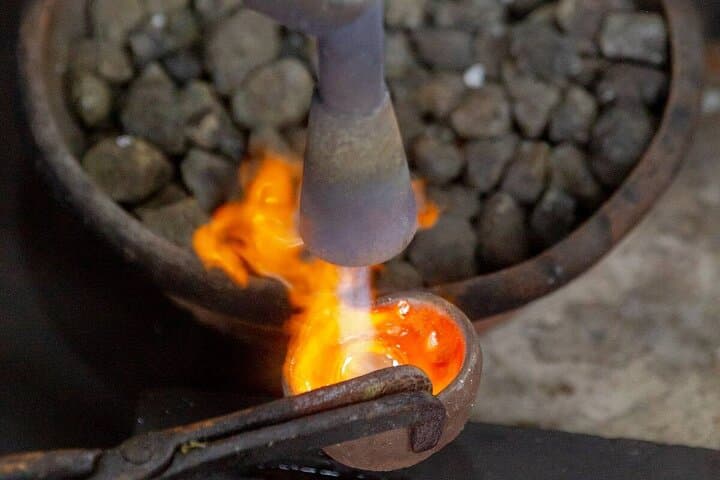
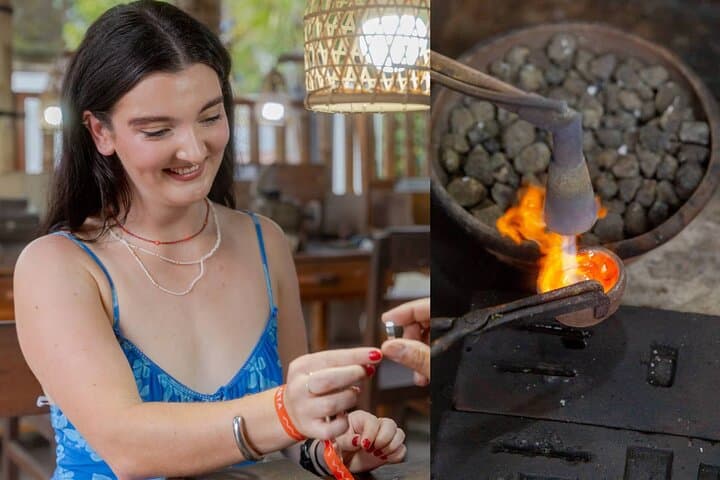
You step into a low-slung workshop in Ubud where the smell of metal and mild fuel meets the breeze from a shaded courtyard. Light catches raw silver on workbenches; tools are laid out like instruments waiting to sing. The room hums with focused conversation as an artisan guides your hands through bending, filing, and soldering — the process both deliberate and immediate.
You step into a low-slung workshop in Ubud where the smell of metal and mild fuel meets the breeze from a shaded courtyard. Light catches raw silver on workbenches; tools are laid out like instruments waiting to sing. The room hums with focused conversation as an artisan guides your hands through bending, filing, and soldering — the process both deliberate and immediate.
Celuk Village, a short ride east of Ubud, has been a center of Balinese silverwork for generations. Local techniques blend Hindu iconography and colonial-era metalworking, producing pieces that are both wearable and culturally specific. The volcanic soils and river valleys of central Bali created settlement patterns where villages specialized in crafts; Celuk became synonymous with smithing, while nearby Batuan and Batubulan developed painting and dance traditions that frame the island’s artistic identity.
Expect a practical, hands-on session: measuring, shaping, texturing, and polishing roughly 7 grams of complimentary silver, with options to buy more. No experience is required, but patience and steady fingers help. The class usually runs from one hour to a full-day workshop depending on the package and can include short village visits and a traditional performance.
Plan for close-up work: wear comfortable clothes you don’t mind a bit of dust on, arrive hydrated, and schedule classes in the morning when light is best and workshops are less crowded. Bring a small camera for progress shots and a reusable bag for your finished piece. Whether you leave with a ring, pendant, or brooch, the truth of this class is tactile — you shape a memory as much as you shape silver.