THE ADVENTURE COLLECTIVE® · Independent discovery and booking for outdoor travel

Spend a day driving from Ubud through rice terraces, artisan villages and a sacred monkey forest. This private tour pairs cultural performances and hands-on craft visits with scenic stops like Tegalalang—ideal for travelers seeking a compact introduction to central Bali.
Spend a day driving from Ubud through rice terraces, artisan villages and a sacred monkey forest. This private tour pairs cultural performances and hands-on craft visits with scenic stops like Tegalalang—ideal for travelers seeking a compact introduction to central Bali.
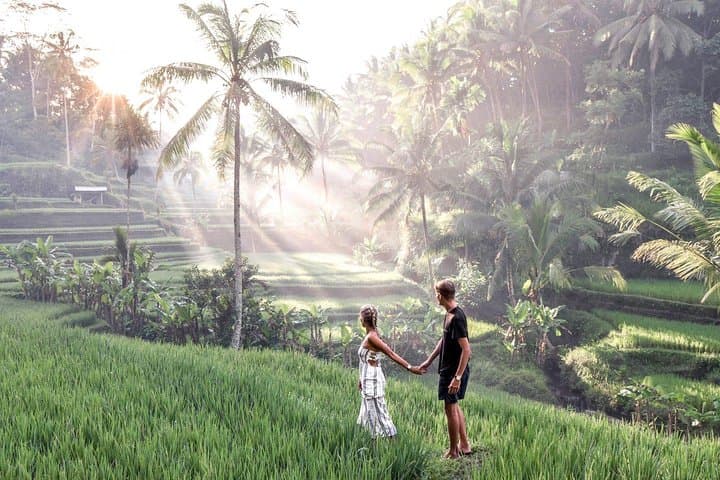
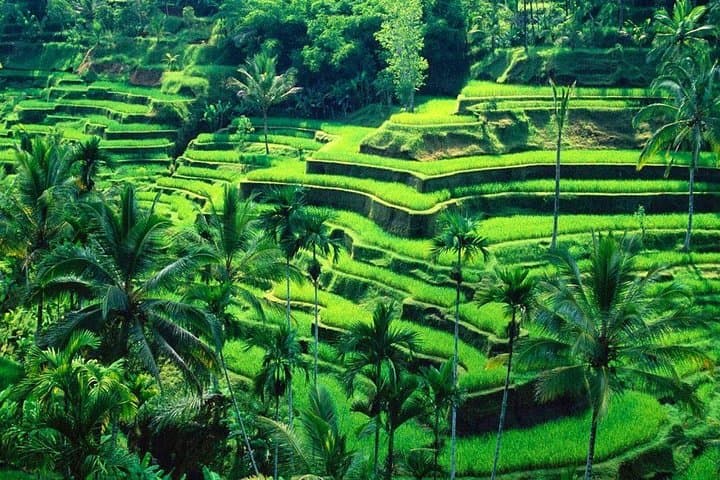
A driver eases out of the lowland heat and the road unfurls toward Ubud, palms brushing the windows as the car climbs into cooler air. Fields step down the slopes in neat, green ledgers; water channels whisper through the terraces and seem to dare you to look closer. The day moves by in short chapters—temple dances, weaving benches, a forest full of long-tailed macaques—each stop shaped by centuries of craft and rice-fed ritual.
Verified experiences and guided adventures in the surrounding area.
Operated by Bali Funtastic Tour · Ubud, Bali
A driver eases out of the lowland heat and the road unfurls toward Ubud, palms brushing the windows as the car climbs into cooler air. Fields step down the slopes in neat, green ledgers; water channels whisper through the terraces and seem to dare you to look closer. The day moves by in short chapters—temple dances, weaving benches, a forest full of long-tailed macaques—each stop shaped by centuries of craft and rice-fed ritual.
The itinerary threads cultural history with landscape: the Barong and keris dance dramatizes age-old Balinese myths, while the Tohpati batik and Celuk silversmiths show crafts that evolved under Hindu influence and colonial-era exchange. Tegalalang’s terraces are a living example of Bali’s subak irrigation—communal water management that dates back centuries. Geologically, Ubud sits on volcanic soils that make those terraces intensely fertile; culturally, the villages of Mas and Celuk keep practiced hands and ancestral styles alive.
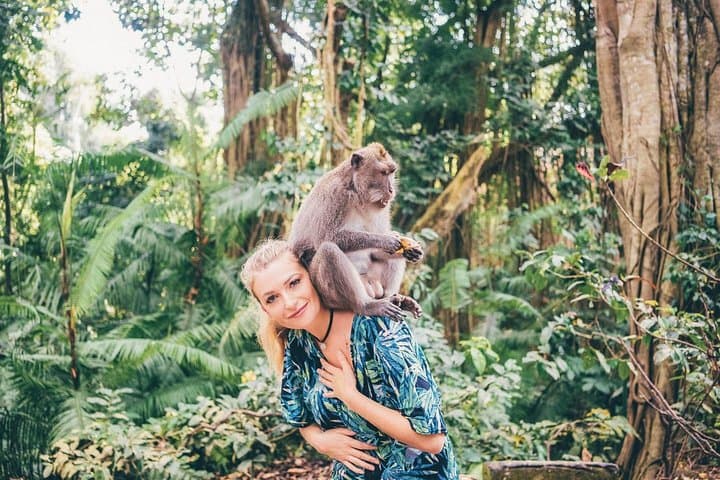
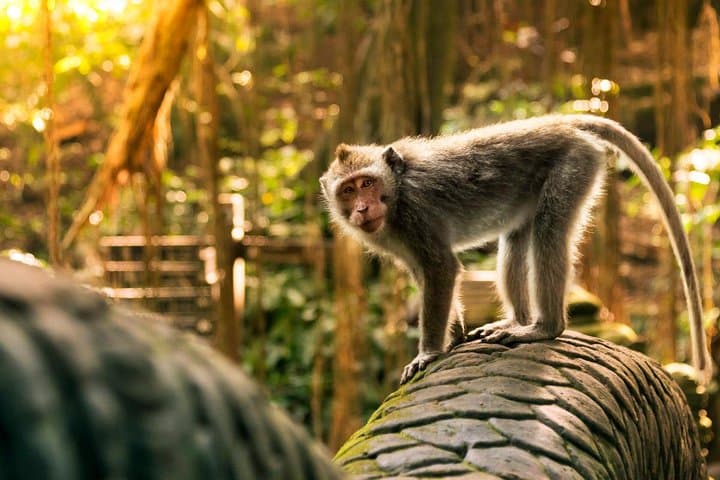
Practically, expect a private air-conditioned car, bottled water, and a flexible schedule that allows time to watch artisans, sample luwak coffee, and walk the Monkey Forest paths. Wear sturdy sandals or light hiking shoes for uneven steps at rice terraces and temple grounds; carry cash for small purchases and temple donations. Respect temple dress codes and the monkeys—do not feed them and stow loose items. Plan an early start to avoid mid-afternoon crowds and peak sun; mornings offer softer light and cooler walking between sites.
easy.
10 hours.
Suitable for most fitness levels; involves walking on uneven ground and steps for short periods.
Most entrance fees (Monkey Forest, rice terrace viewpoints, some temples) are not included; bring cash to pay on site.
Pickup and drop-off locations are arranged at booking—operators typically collect guests from hotels in Ubud and can accommodate nearby towns with prior notice.
Yes; the tour is described as physically easy, but supervision is recommended around monkeys and temple steps, and those with mobility issues should notify the operator in advance.
Yes—Tohpati, Celuk and Mas are active artisan villages where purchases are possible; bargaining is common for souvenirs, while unique workshop pieces may be priced fixed.
Ubud’s landscape and craft villages grew around rice cultivation and Hindu temple systems; the subak irrigation method has organized farming and social life here for centuries.
Tourists should avoid feeding wildlife and stick to marked paths; supporting certified local artisans and small cafés helps sustain the villages and reduce pressure on fragile sites.
Bali Funtastic Tour operates guided outdoor trips and adventures with an emphasis on safety, stewardship, and memorable experiences.
A driver eases out of the lowland heat and the road unfurls toward Ubud, palms brushing the windows as the car climbs into cooler air. Fields step down the slopes in neat, green ledgers; water channels whisper through the terraces and seem to dare you to look closer. The day moves by in short chapters—temple dances, weaving benches, a forest full of long-tailed macaques—each stop shaped by centuries of craft and rice-fed ritual.
A driver eases out of the lowland heat and the road unfurls toward Ubud, palms brushing the windows as the car climbs into cooler air. Fields step down the slopes in neat, green ledgers; water channels whisper through the terraces and seem to dare you to look closer. The day moves by in short chapters—temple dances, weaving benches, a forest full of long-tailed macaques—each stop shaped by centuries of craft and rice-fed ritual.
The itinerary threads cultural history with landscape: the Barong and keris dance dramatizes age-old Balinese myths, while the Tohpati batik and Celuk silversmiths show crafts that evolved under Hindu influence and colonial-era exchange. Tegalalang’s terraces are a living example of Bali’s subak irrigation—communal water management that dates back centuries. Geologically, Ubud sits on volcanic soils that make those terraces intensely fertile; culturally, the villages of Mas and Celuk keep practiced hands and ancestral styles alive.
Practically, expect a private air-conditioned car, bottled water, and a flexible schedule that allows time to watch artisans, sample luwak coffee, and walk the Monkey Forest paths. Wear sturdy sandals or light hiking shoes for uneven steps at rice terraces and temple grounds; carry cash for small purchases and temple donations. Respect temple dress codes and the monkeys—do not feed them and stow loose items. Plan an early start to avoid mid-afternoon crowds and peak sun; mornings offer softer light and cooler walking between sites.