THE ADVENTURE COLLECTIVE® · Independent discovery and booking for outdoor travel

Experience a private Balinese purification ceremony in a sacred cave spring, then stroll Tegalalang’s rice terraces and visit a hands-on coffee and herbal-tea plantation. This full-day, 6–7 hour private tour blends ritual, landscape, and local flavors with easy walking.
Experience a private Balinese purification ceremony in a sacred cave spring, then stroll Tegalalang’s rice terraces and visit a hands-on coffee and herbal-tea plantation. This full-day, 6–7 hour private tour blends ritual, landscape, and local flavors with easy walking.
You arrive before mid-morning light fills the forest and the cave breathes cool air; a bell rings and the priest’s voice sets the tempo. The holy spring at Gumi Uwug Manduang is a private space where water moves with intent — trickling, pooling, asking you to slow down — and the purification ritual is pared back and precise rather than theatrical.
Verified experiences and guided adventures in the surrounding area.
Operated by Tunik bali vacation · Ubud, Bali
You arrive before mid-morning light fills the forest and the cave breathes cool air; a bell rings and the priest’s voice sets the tempo. The holy spring at Gumi Uwug Manduang is a private space where water moves with intent — trickling, pooling, asking you to slow down — and the purification ritual is pared back and precise rather than theatrical.
This route threads through central Bali’s layered history: Hindu-Balinese water temples that organize irrigation through the ancient subak system, rice terraces shaped by volcanic soils, and smallholder coffee gardens that grew from colonial-era trade. Geologically, the area’s porous volcanic bedrock feeds springs and pockets of dense tropical forest that feel improbably close to Ubud’s village streets.
You’ll balance quiet ceremony with open-air panoramas at Tegalalang, where stepped fields reveal the human hand in the landscape, and a short stop at a family coffee and herbal-tea plantation that explains kopi processing and local medicine plants.
Practicalities are straightforward: this private, 6–7 hour tour includes transport, entrance fees, lunch, and traditional dress for the ceremony. Wear modest, quick-dry clothing for the temple, sturdy shoes for uneven river-rock approaches, and bring a refillable water bottle. Expect light walking, photographic opportunities at the rice terrace’s viewpoints, and a gentle cultural immersion rather than a strenuous hike. The rhythm here alternates between hush and wide view — plan for sun and sudden showers, and respect temple protocols to keep the experience authentic.
easy.
6–7 hours.
Suitable for most fitness levels; expect short walks on uneven ground and some stepping on river rock and terrace paths.
Yes — this tour offers a private ceremony with a Balinese priest in the cave spring; participants receive traditional dress and offerings are included.
Infants are allowed but must sit on a lap; the experience is gentle but close supervision is advised near water and uneven terrain.
Yes — private car and driver are included for the full-day itinerary, as are entrance fees and lunch at the rice terrace.
The tour is described as physically easy overall, but access to the spring and some terrace viewpoints involves steps and uneven ground; contact the operator to discuss specific needs.
The subak cooperative irrigation system, linked to Balinese Hindu temple networks, shaped terraces like Tegalalang and was recognized by UNESCO for its cultural landscape.
Respect temple rules, avoid single-use plastics, and stick to marked paths — local communities rely on sustainable tourism and clean water sources for ceremonies.
Tunik bali vacation operates guided outdoor trips and adventures with an emphasis on safety, stewardship, and memorable experiences.
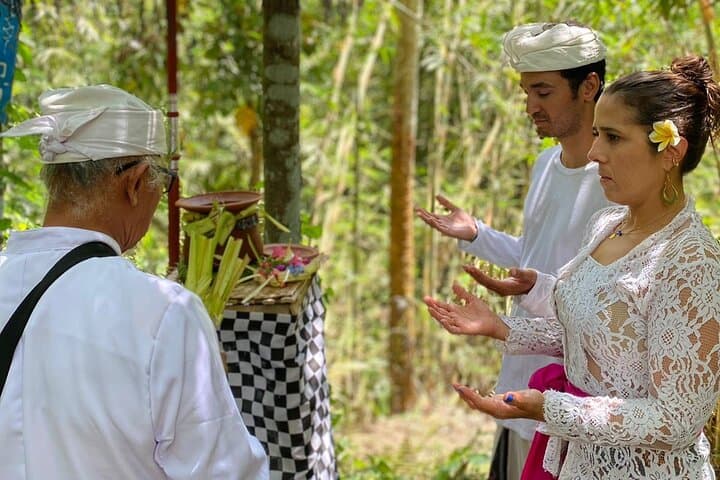
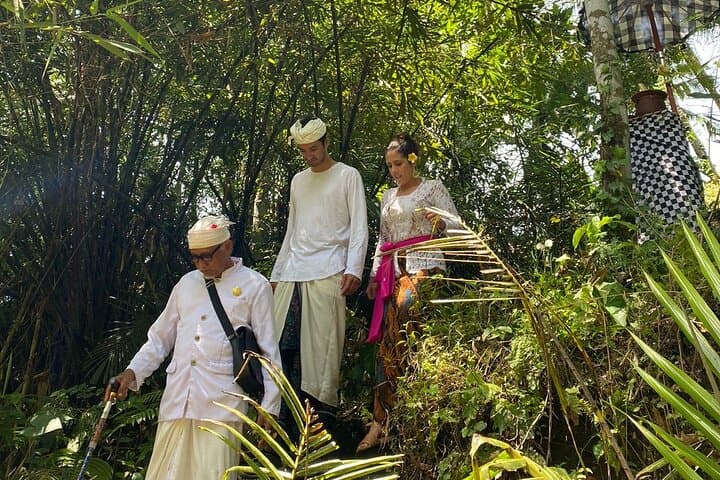
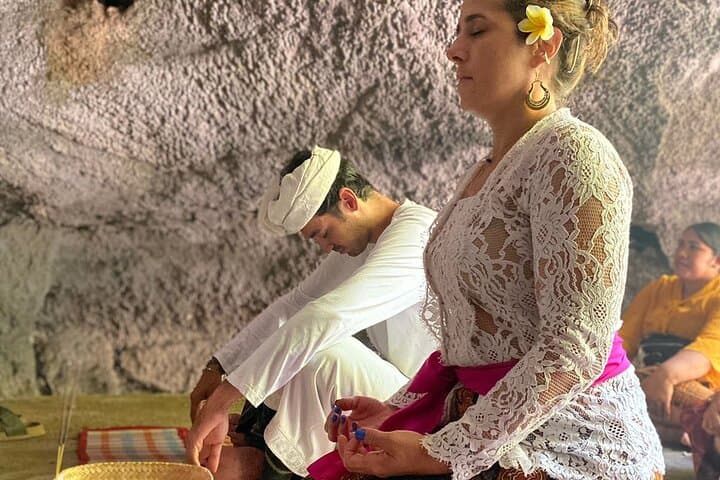
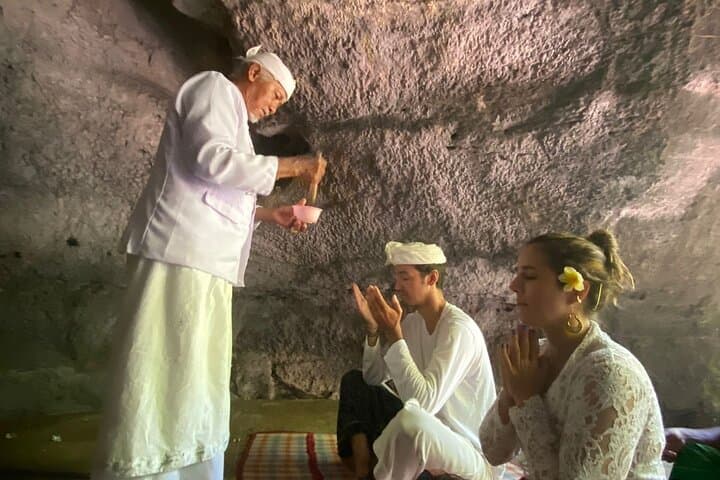
You arrive before mid-morning light fills the forest and the cave breathes cool air; a bell rings and the priest’s voice sets the tempo. The holy spring at Gumi Uwug Manduang is a private space where water moves with intent — trickling, pooling, asking you to slow down — and the purification ritual is pared back and precise rather than theatrical.
You arrive before mid-morning light fills the forest and the cave breathes cool air; a bell rings and the priest’s voice sets the tempo. The holy spring at Gumi Uwug Manduang is a private space where water moves with intent — trickling, pooling, asking you to slow down — and the purification ritual is pared back and precise rather than theatrical.
This route threads through central Bali’s layered history: Hindu-Balinese water temples that organize irrigation through the ancient subak system, rice terraces shaped by volcanic soils, and smallholder coffee gardens that grew from colonial-era trade. Geologically, the area’s porous volcanic bedrock feeds springs and pockets of dense tropical forest that feel improbably close to Ubud’s village streets.
You’ll balance quiet ceremony with open-air panoramas at Tegalalang, where stepped fields reveal the human hand in the landscape, and a short stop at a family coffee and herbal-tea plantation that explains kopi processing and local medicine plants.
Practicalities are straightforward: this private, 6–7 hour tour includes transport, entrance fees, lunch, and traditional dress for the ceremony. Wear modest, quick-dry clothing for the temple, sturdy shoes for uneven river-rock approaches, and bring a refillable water bottle. Expect light walking, photographic opportunities at the rice terrace’s viewpoints, and a gentle cultural immersion rather than a strenuous hike. The rhythm here alternates between hush and wide view — plan for sun and sudden showers, and respect temple protocols to keep the experience authentic.